
Last updated November 23, 2026
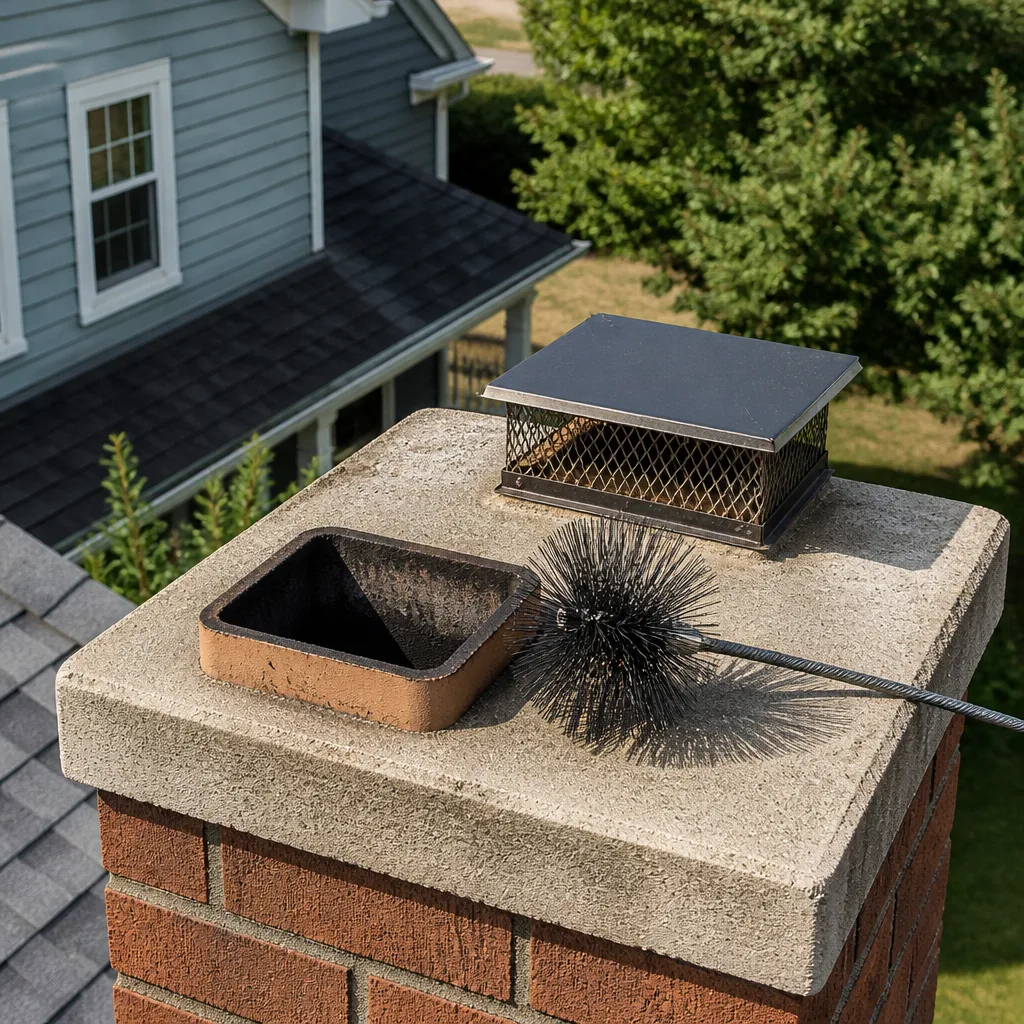 Sweep & inspection
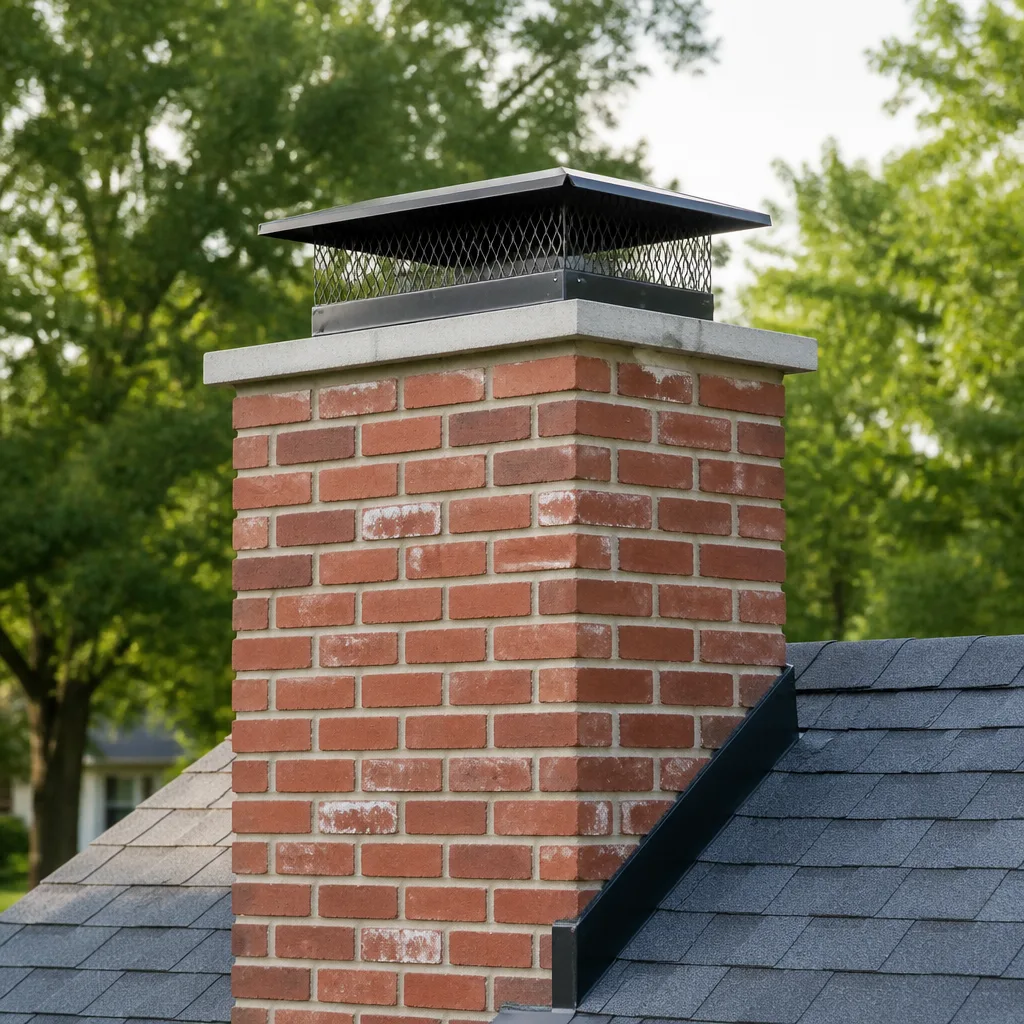 Caps & crowns
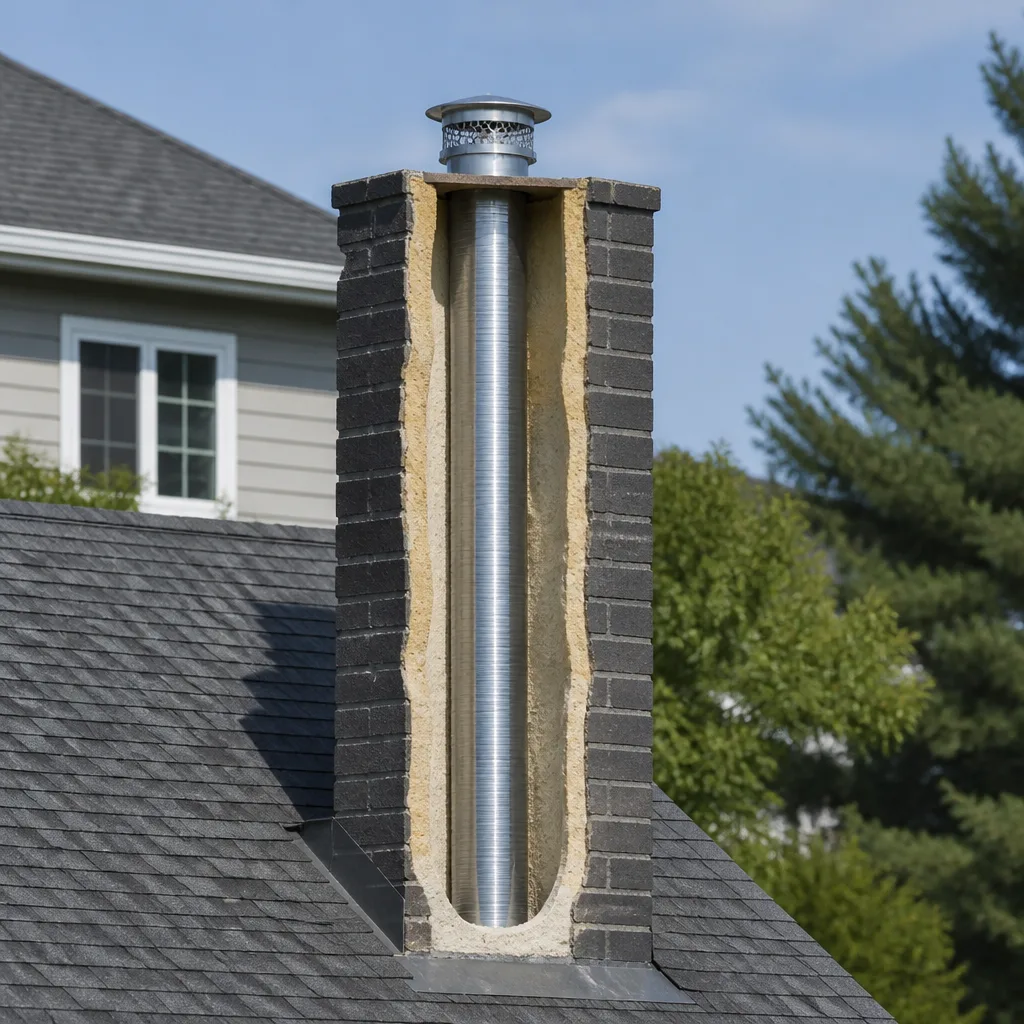 Flue relining
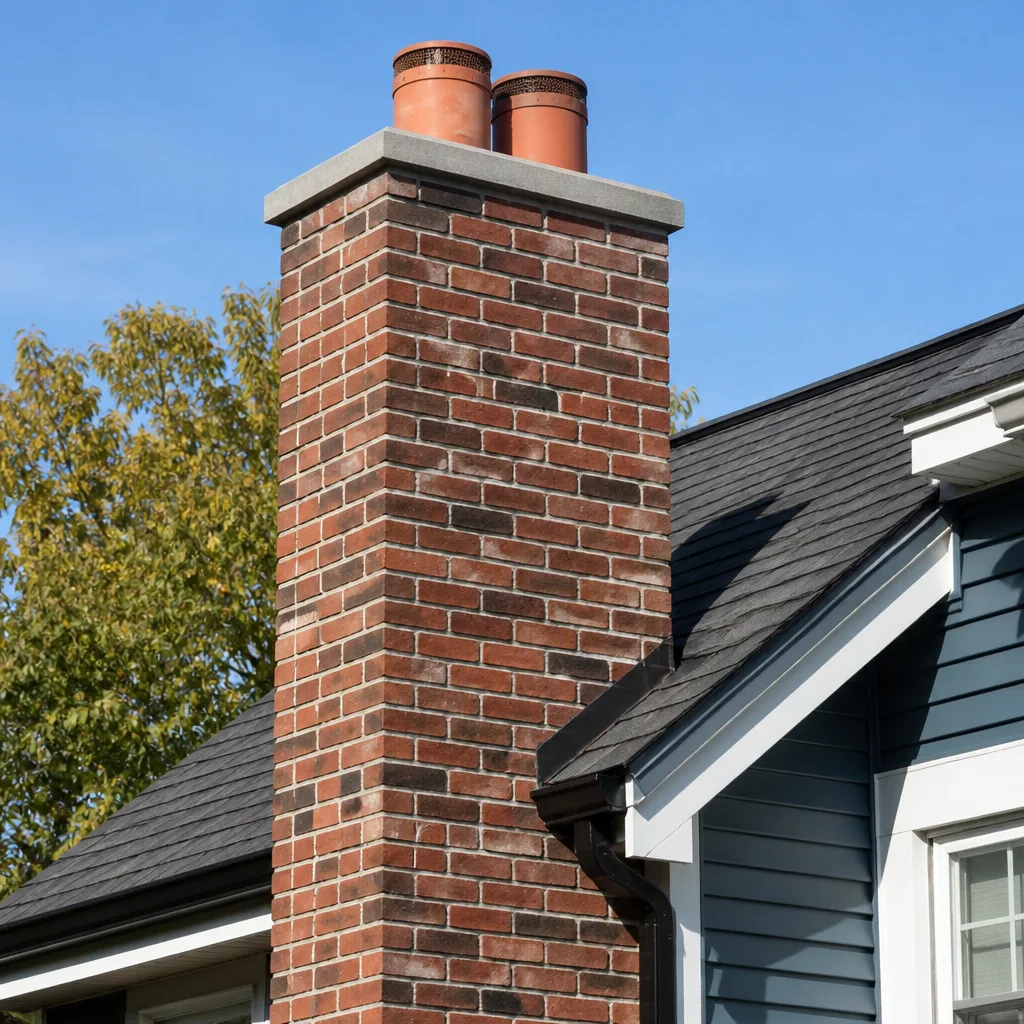 Masonry repair
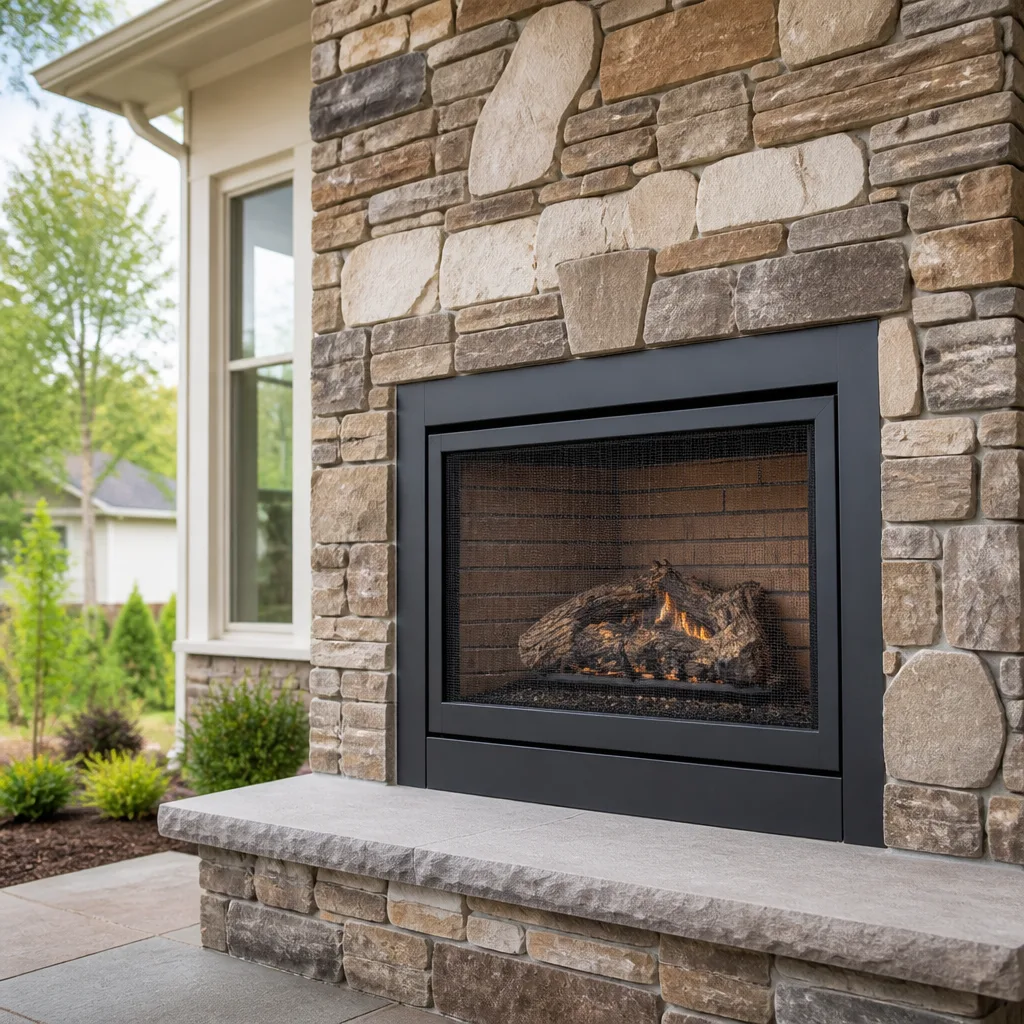 Gas fireplace service
Level 1 sweep and inspection to the NFPA 211 annual standard - flue, crown, cap, and flashing checked and photographed
Chimney sweep logs do not sweep chimneys. They loosen some creosote - which then falls where a brush and vacuum still have to collect it.
Chimney Cleaning Warning Signs: A Springville Homeowner’s Reference Guide
A strong smoke smell in your living room on a cold Utah morning isn’t always a dirty flue. It can also be a pressure problem in the house, a blocked cap, or a flue that’s simply the wrong size for the firebox beneath it, and cleaning the chimney won’t touch any of those. That’s the gap most warning-sign lists leave open: they tell you something’s wrong but not what kind of wrong, so you end up paying for a sweep that doesn’t solve the smell. This guide works the other way. Each warning sign is treated as a diagnostic entry point, with the mechanism behind it explained, so you can describe what you’re seeing accurately and understand what a technician tells you in return. It’s written for Springville homeowners with wood-burning or gas fireplaces, from the older blocks near downtown to the newer builds toward the east bench.
Quick Answer
The main chimney cleaning warning signs are a strong smoke or creosote smell that returns after a sweep, visible soot or creosote buildup on the damper or firebox walls, rust streaks inside the firebox, spalling firebrick, white staining on exterior brick, and a draft that reverses or refuses to start. A dirty flue is only one cause of these signs. Draft pressure problems, water intrusion, and flue sizing issues all produce similar symptoms, and each needs a different fix. When a sign points to a blocked flue or a failed liner, stop using the fireplace and call rather than waiting for the next scheduled cleaning.
Styles & brands we work with
- Sweep & inspection
- Caps & crowns
- Flue relining
- Masonry repair
- Gas fireplace service
Table of Contents
- What the Three Chimney Smells Actually Mean
- What White Staining on Brick Really Tells You
- Draft Problems: Flue Sizing, Cap Blockage, or House Pressure
- Firebox Warning Signs, Ranked by Urgency
- What to Look For From the Ground
- When a Sign Can Wait and When to Stop Burning
- Why Spring in Springville Is the Right Time
- Common Mistakes to Avoid
What the Three Chimney Smells Actually Mean
Chimney smells aren’t interchangeable. A creosote odor, a draft-failure odor, and a masonry moisture odor come from three different problems, and the nose can often separate them before anyone climbs the roof. That distinction matters in Springville because the dry summer air here pulls moisture out of masonry slowly, and a chimney that smells musty in July is telling you something that has nothing to do with soot.
The creosote smell. Sharp, tarry, and a little like burnt wood that won’t leave the room. Creosote is a byproduct of incomplete combustion, and it builds up in layers on the flue walls. A light coating won’t smell much. A heavier deposit smells strongest in warm weather, when the house is closed up and air conditioning pushes the odor back down instead of up and out. If the smell fades after a sweep and stays gone, creosote was the source.
The draft-failure smell. This one smells like smoke, not tar. It shows up when you light a fire and the smoke won’t ascend, or when a cold chimney pushes air backward into the room before there’s any fire at all. That “cold plug” of dense air inside a chimneys flue is common on still mornings. Once the flue warms, the smoke leaves. If it doesn’t leave, or if the smell returns mid-burn, you’re looking at a draft problem, not a creosote problem.
The masonry moisture smell. Damp, earthy, and slightly sour, like a basement. It comes from water inside brick, mortar, or a rusting damper, usually entering at the crown or through an uncovered flue. Cleaning won’t remove it. The leak has to be found and sealed before the smell goes away.
If you can name which of those three you’re smelling, you’ve already helped narrow the diagnosis. Our chimney sweep starts with a look at the flue and the cap before any brushing, because the odor you describe points to where the problem lives.
What White Staining on Brick Really Tells You
A white, powdery bloom on the outside of brick is called efflorescence, and it usually means water is passing through the masonry and carrying mineral salts to the surface, where they dry into a crust. It isn’t just weathering. Normal aging shows up as darker, faded, or chalky surfaces. Efflorescence is water on the move, and a chimney taking on water in Springville’s cold winters is a chimney that will eventually spall when that moisture freezes and expands.
Not every white patch is efflorescence, though, so look closely:
- Powdery and brushable. If it wipes away as a fine powder and returns after rain, water is actively moving through the brick.
- Hard and crusty. A crystalline, almost salt-like crust that won’t brush off suggests a longer-term moisture pattern or a salt source in the mortar itself.
- Streaked from one point. Staining that traces back to a single location points to a specific entry, often the crown or a gap at the flashing.
- Uniform across the whole face. Widespread light bloom can be a sign of poor drainage at the crown rather than a single breach.
The two most common places water gets into a chimney are the crown and the cap. A cracked crown lets water pool on top of the masonry, where it soaks downward into the flue. A missing or corroded cap lets rain drop straight down the flue and into the firebox. That’s why cap and crown service sits at the center of preventive maintenance, and why we look hard at both before recommending any resurfacing. When the flue tile itself is deteriorated from long-term moisture cycling, HeatShield resurfacing can rebuild the flue surface without tearing out the chimney. When the cap is the culprit, a properly fitted replacement from Gelco or Famco closes the opening that started the problem. Both fixes extend the life of the chimney. Neither is something you want done by a crew that treats it as an add-on to a sweep.
If efflorescence is confined to a small area, it can be inspected at your regular appointment. If it’s spreading, or if it shows up alongside a moisture smell indoors, it’s worth scheduling chimney repair rather than waiting.
Draft Problems: Flue Sizing, Cap Blockage, or House Pressure
A draft that won’t draw has three common causes, and telling them apart saves you a service call. The first is flue sizing: a flue that’s too large allows smoke to cool before it reaches the top, so it stalls and comes back down. A flue that’s too small chokes the fire and pushes smoke into the room. The second is a blocked cap: a cap clogged with debris, a bird’s nest, or a crumbling crown draws nothing at all. The third is house pressure: your house may be tighter than the chimney can compete with.
Here’s how to work through it, in order:
- Test a cold start. Hold a lighted match near the open damper before you build a fire. If the flame leans inward toward the chimney, you have baseline draft. If it stands straight or blows back, you have a problem before the fire even starts.
- Look up the flue. From the firebox with the damper open, a clear daylight view means the flue isn’t blocked. No daylight means a cap blockage, nest, or heavy creosote is stopping it.
- Check the air supply. A tightly sealed house, a running kitchen fan, or a dryer venting indoors can pull air backward down the flue. Crack a window near the fireplace and try again. If that fixes it, you have a pressure problem, not a cleaning problem.
- Note the firebox proportions. A tall, wide firebox under a short, narrow flue is a sizing mismatch. That’s a design issue, and it doesn’t resolve with sweeping.
Cold air sinking down a flue is especially common in Springville on winter mornings when the fire has been out all night. The chimney cools, dense air settles, and the first attempt at a fire backs up. Warming the flue with a rolled newspaper first often solves it. If the backup happens on every light-up, or if smoke enters the room during a steady burn, that’s a draft failure worth a professional look. Many draft problems that get misdiagnosed as “needs a sweep” turn out to be a cap or a sizing issue, and the fix involves a different trade skill entirely.
Firebox Warning Signs, Ranked by Urgency
Look inside the firebox before you light the first fire of the season. The changes you see there are often the earliest evidence of a failing flue or a water problem above it. Not all of them are urgent, but they’re all worth noting.
Most urgent: rust streaks and a metal damper that’s rusting. Rust inside the firebox means water is getting down the flue and sitting against the metal. A rusting damper can seize open or closed, and seized metal can’t be trusted to seal. Water from above often means a failed cap or a cracked crown, and the longer it runs, the more of the flue it damages.
Next: mortar gaps between firebrick. The firebox lining is built from firebrick with mortar joints, and those joints erode over years of heat cycles. A joint that’s pulling away from the brick is a path for heat and gases to reach the masonry behind it. Small gaps are a repair item. Wide gaps mean you stop using the fireplace until they’re addressed.
Next: spalling firebrick. Firebrick that’s flaking, crumbling, or has chunks missing is spalling, and it usually means water or repeated overheating has taken a toll. A single spalled brick in a corner can often wait for the next repair window. Multiple spalled bricks in the firebox floor or walls should be looked at before your next burn.
Least urgent, but note it: soot patterns. A light, even coat of soot is normal. A dark, glossy, tarry accumulation on one wall of the firebox points to a draft pattern or a combustion problem, and it’s worth flagging at your annual inspection so it can be watched.
We inspect before we recommend, and that order matters with firebox signs. Each one gets read against what’s happening up the flue before anyone talks about a repair. If you’re already noticing rust or crumbling brick, the sooner you have it looked at by someone who handles fireplace repair, the shorter the list of items that will need fixing later.
What to Look For From the Ground
You don’t need to climb onto a roof to catch a lot of chimney trouble. A walk around the house with a pair of binoculars in the spring turns up most of what a visual inspection would show. Look for these:
- A missing, loose, or heavily rusted cap. The cap keeps rain, snow, and animals out. A cap that’s shifted or corroded away invites all three in.
- Cracks in the crown. The crown is the concrete slab capping the top of the chimney. Hairline cracks widen with freeze-thaw cycles, and water follows them down.
- Dark staining at the top of the chimney. Soot staining around the flue opening often reflects a draft pattern or a top-of-flue obstruction.
- White bloom on the brick. As covered above, this points to water moving through the masonry.
- Missing mortar joints. Joints that have washed out or crumbled let water in and weaken the structure.
- Bird nests or debris at the cap. Any blockage up there interferes with draft and can drop material into the flue.
Springville’s freeze-thaw cycles are the thing to plan for. Water that soaks into the crown or brick in fall expands when it freezes, and over a few winters a hairline becomes a real crack. That’s why crown and cap issues are worth catching early rather than at the moment a repair turns into a rebuild. From the top of the flue to the firebox below, a spring inspection is the moment to catch the damage before the next cold season locks it in.
When a Sign Can Wait and When to Stop Burning
The honest answer to “should I call now?” depends on which sign you’re looking at. Some warning signs are worth noting and bringing up at your next annual appointment. Others mean the fireplace comes out of service until they’re fixed.
These signs can generally wait until your scheduled cleaning or inspection:
- A light, even layer of soot in the firebox.
- Slight efflorescence on a small area of exterior brick, with no interior moisture smell.
- A creosote odor that appears only in summer heat.
- A single minor crack in the crown, with no interior water staining.
- A cold-smoke backup on the first fire of the year that clears once the flue warms.
These signs mean stop using the fireplace and call:
- Rust streaks inside the firebox or a damper that has seized.
- Visible gaps in the firebox mortar, or spalling firebrick beyond a single brick.
- Smoke entering the room during a steady burn.
- A creosote smell that’s still strong after a sweep, which can signal a deposit depth a brush alone won’t clear.
- Efflorescence spreading across the chimney face or paired with an indoor moisture smell.
- Any obstruction at the cap or anywhere along the flue.
The line between the two lists is evidence. If a sign is visual and isolated, it can usually wait for a scheduled appointment. If it’s active, spreading, or obstructing the flue, stop burning until a technician has looked at it. A blocked or damaged flue is a real safety concern, because it can allow smoke and carbon monoxide back into the house rather than out the top. That’s a risk to act on, not to watch. Call (888) 469-8196. We answer 24/7. Fast dispatch from 7am to 7pm, Sunday through Friday.
Why Spring in Springville Is the Right Time
The best time to look for chimney warning signs in Springville is spring, once the fire has been out for the season and the masonry has dried. The weather is mild, the roof is accessible, and any water issues from the winter are visible before the summer heat or the next cold snap complicates them. It also puts the repair on a schedule that finishes well before the first cold morning in fall, when a backed-up flue becomes a problem you need fixed now.
A spring inspection covers five areas, and it’s worth knowing what each one asks:
- The flue interior. Creosote depth, signs of water, and the condition of the flue tiles.
- The firebox. Mortar joints, firebrick condition, and the damper.
- The cap and crown. Cap integrity, crown cracking, and drainage.
- The exterior masonry. Efflorescence, missing mortar, and staining.
- The chimney from below to above. Any gap between the roof flashing and the chimney structure.
When the inspection turns up deterioration inside the flue, our technicians use HeatShield resurfacing to restore the flue tile rather than demolish the chimney. When the flue calls for a full reline, we install DuraFlex flexible liner systems, which are designed for high-temperature flue work. Both are jobs that come with a documented inspection before any recommendation, so you can see the evidence before you agree to the work. Some spring findings are cosmetic and some are structural, and the difference is visible in the inspection report. Our technicians have up to 12 years of experience reading exactly that distinction. You can see our full range of services at Chimney Sweep Springville.
Common Mistakes to Avoid
- Treating every smell as a creosote problem. A tar smell and a smoke smell point to different fixes, and a moisture smell points to none of the cleaning options. Name the smell first and you’ll save a service call.
- Assuming a chimney fire has to be loud. Many chimney fires burn quietly and die out on their own, leaving a pattern inside the flue that only shows up in inspection. If you’ve had a hot, fast burn with a roaring sound, it’s worth an inspection even without other signs.
- Waiting for efflorescence to “weather off.” White bloom on brick is a water signal, and in Springville’s freeze-thaw cycles it tends to spread rather than fade. Catch it while the fix is resealing rather than rebuild.
- Burning wood that’s not properly seasoned. Wet wood produces more creosote and more smoke, which compounds every one of these warning signs. Dry, split, seasoned firewood is the cheapest preventive maintenance there is.
- Using the fireplace to “test” a warning sign. A test burn on a flue that’s blocked or damaged is the one way to turn a warning sign into a real problem. Test the draft on a cold chimney before you build the fire, not during it.
- Skipping the annual inspection because the fire looked fine last year. Chimneys change slowly, and the interior deterioration from a wet winter won’t announce itself until you or a technician looks. An annual inspection catches the year the signs first appear.
- Hiring a sweep who’ll clean without inspecting. A brush and a mirror can miss a cracked tile or a moisture stain. The inspection is the part that tells you what’s actually going on, and it should come before any recommendation for repair.
See the difference
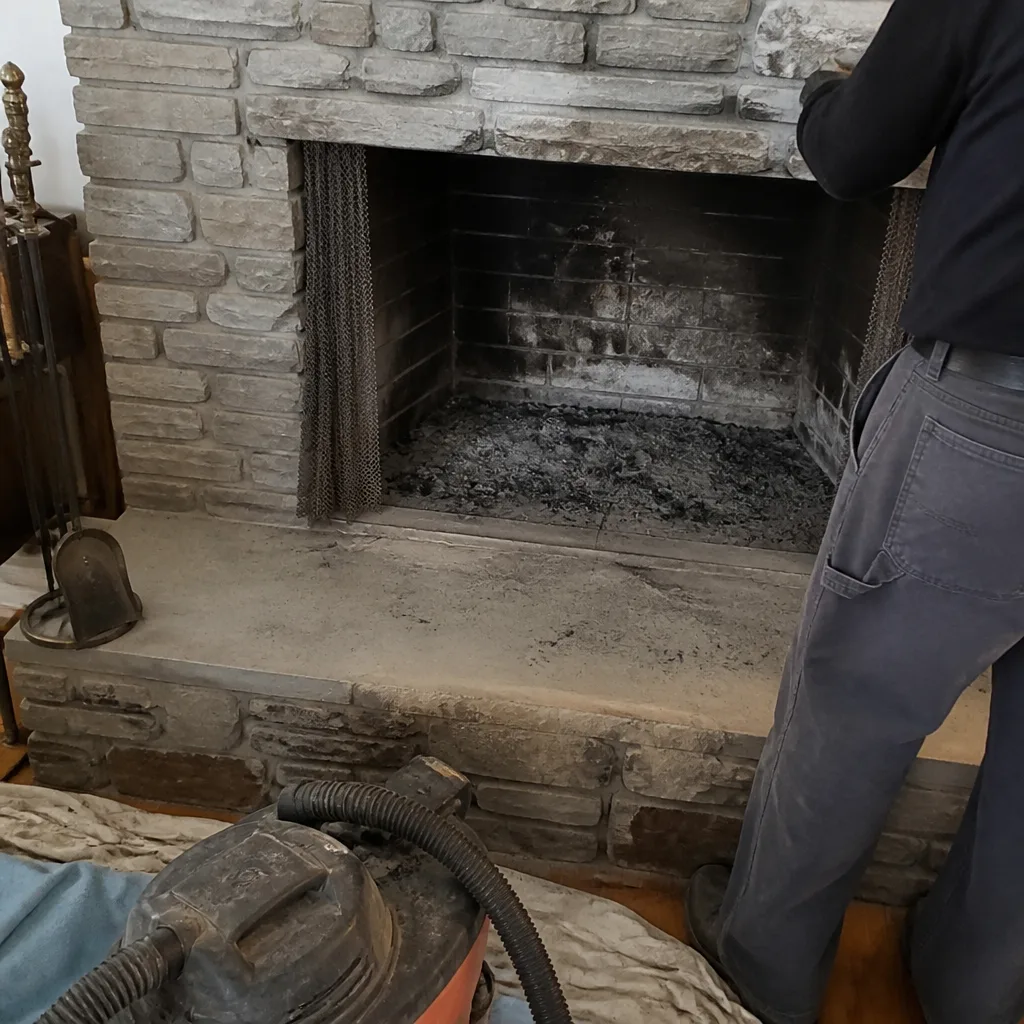 Before
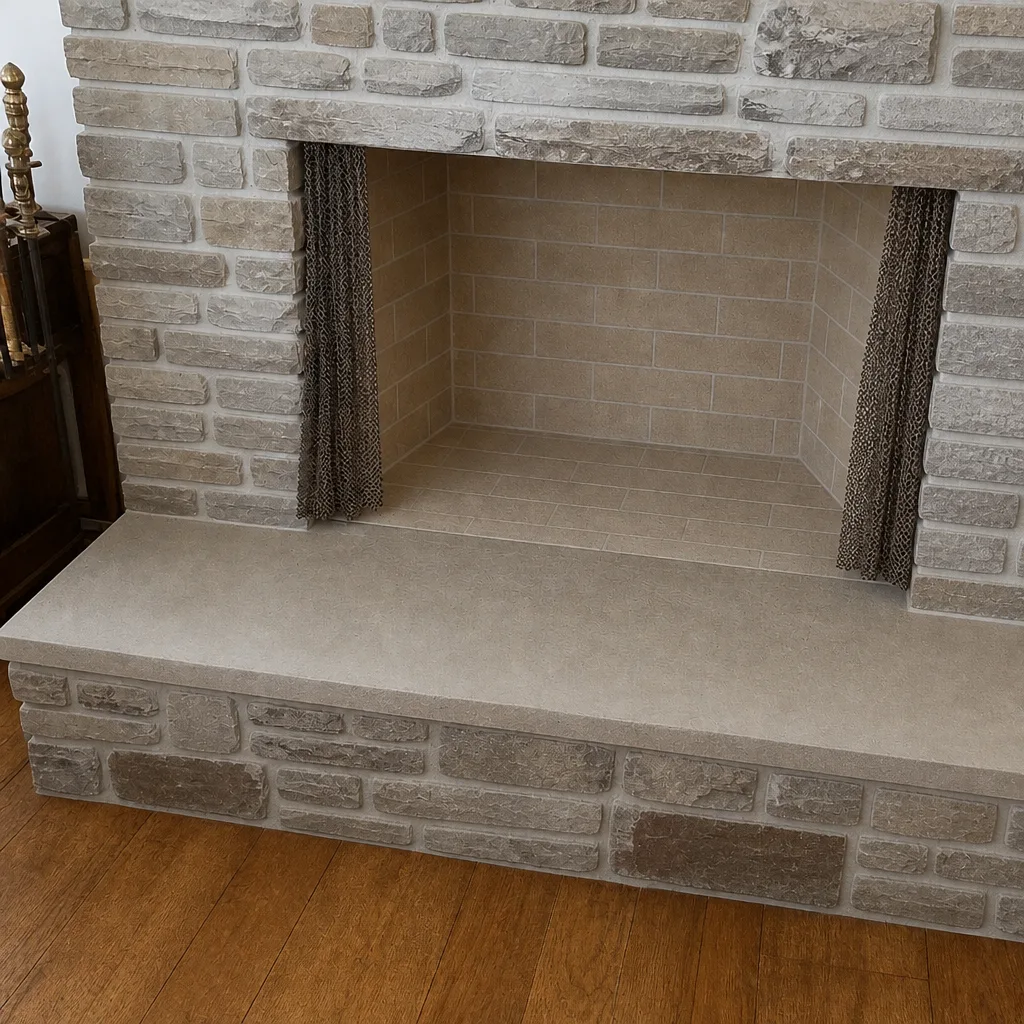 After
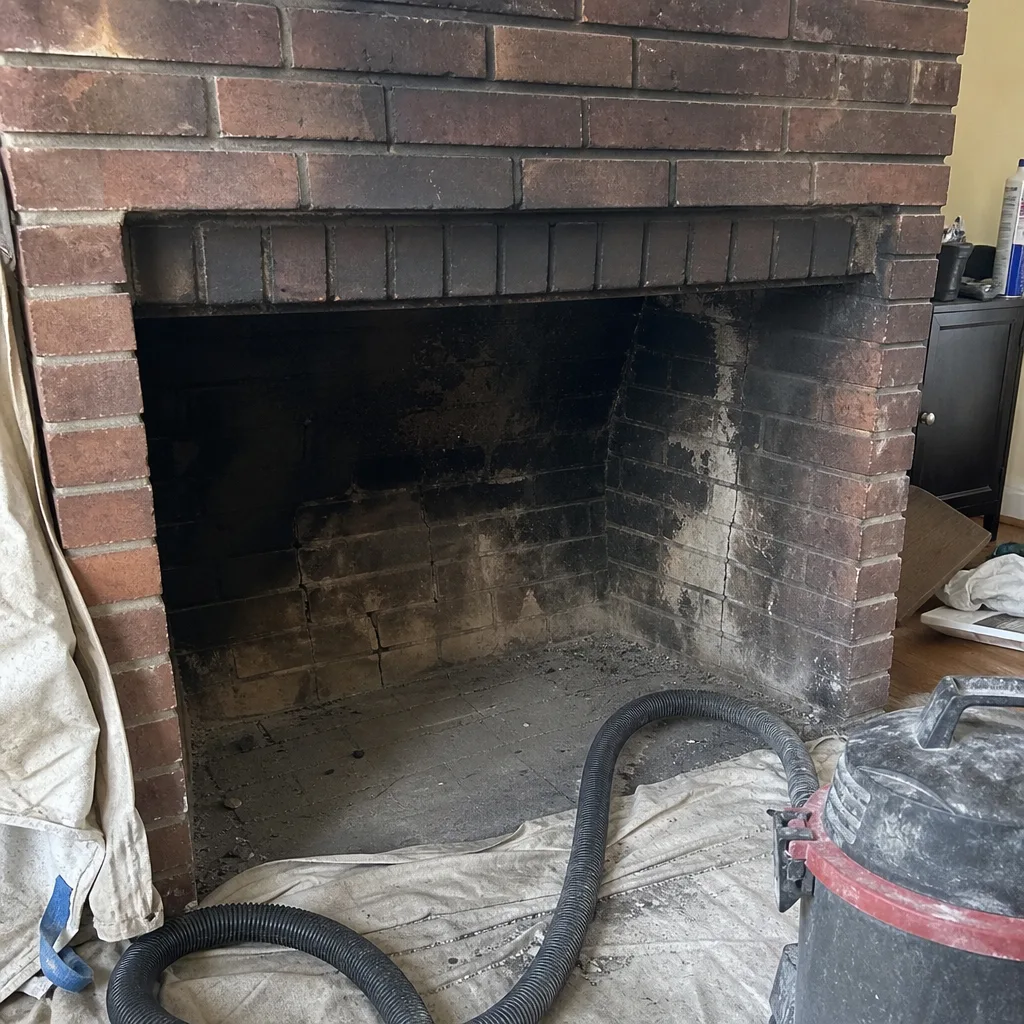 Before
 After
 Before
 After
When to Call a Professional
Call a chimney professional when you can see a change you can’t explain, not just when it’s time for a cleaning. That means rust or crumbling firebrick inside the firebox, a smell that persists after a sweep, smoke that enters the room during a steady burn, or staining spreading across the exterior brick. It also means any sign of obstruction at the cap or along the flue, and any roaring or fast-burning fire you’re not sure about. Some of these can wait for a scheduled appointment, and some shouldn’t. The walk from warning sign to call is shorter than most homeowners think, and the cost of waiting is usually measured in repairs rather than in the sweep you delayed. Chimney Sweep Springville offers free estimates in Springville. Call (888) 469-8196. We answer 24/7. Fast dispatch from 7am to 7pm, Sunday through Friday.
Frequently Asked Questions
The most common chimney warning signs are a smoke or creosote smell that won’t go away, visible soot on the damper or firebox walls, rust streaks inside the firebox, spalling firebrick, white efflorescence on exterior brick, and a draft that reverses or refuses to start. In Springville these signs often appear after a wet winter, when water that entered through the crown or cap begins to show as rust or crumbling mortar. Recognizing which category a sign falls into helps you describe it accurately to your technician. Call (888) 469-8196 for an exact quote, and estimates are free.
Yes, an annual chimney sweep and inspection is the baseline safety standard for any home with a wood-burning fireplace, and the National Fire Protection Association recommends an inspection before each burning season. How often you need the actual cleaning depends on how much you burn and how dry your wood is. A home that burns a cord or two of seasoned wood per year and a home that burns only on holidays don’t need the same schedule, and an inspection tells you where you fall. Call (888) 469-8196 to book an appointment.
A draft problem shows up as smoke entering the room during a steady burn, a fire that won’t start drawing, or a cold backup on the first fire of the season that clears once the flue warms. A dirty flue usually shows as reduced draft and a stronger creosote smell, but it can still draw. If cracking a window near the fireplace fixes the problem, it’s house pressure; if daylight doesn’t show at the top of an open flue, it’s a blockage. Call (888) 469-8196 for an exact quote, and estimates are free.
White powder or crust on exterior chimney brick is efflorescence, which means water is passing through the masonry and carrying mineral salts to the surface. It’s a moisture signal more than a cosmetic one, because water that soaks in during fall expands when it freezes. The fix starts with finding where the water is entering, which is often the crown or cap. Call (888) 469-8196 to schedule an inspection.
A single hairline crack in the firebox mortar is a repair item you can usually schedule rather than an emergency. Wide gaps in the mortar, spalling firebrick beyond a brick or two, or rust streaks from water above are more serious, and they mean you should stop using the fireplace until a technician has seen it. Call (888) 469-8196 for an exact quote, and estimates are free.
Some spring warning signs can wait until your fall appointment, but spreading efflorescence, active rust, or a draft problem that hasn’t resolved on its own shouldn’t sit through the summer. Spring is when water damage from the winter becomes visible, and catching it then gives the repair time to finish before the next burning season. Call (888) 469-8196 to schedule a free estimate.
The Bottom Line
Chimney warning signs are diagnostic clues, not a checklist to panic over. A creosote smell, a smoke smell, and a damp smell point to three different problems. White bloom on brick means water is moving through the masonry. A draft that won’t draw can come from flue sizing, a blocked cap, or house pressure, and only one of those is a cleaning issue. Inside the firebox, rust, mortar gaps, and spalling firebrick are ranked by urgency, and the serious ones mean stop burning until they’re checked. An annual inspection catches each of these at its earliest and least expensive stage. If any sign on this list has you unsure, call. Seasonal urgency is real, and a problem caught in spring is a problem solved before fall.
Chimney Sweep Springville handles the full arc from routine cleaning through inspection, fireplace repair, chimney repair, and cap and crown work, using professional-grade components from DuraFlex, HeatShield, Gelco, and Olympia Chimney. From the firebox to the cap, we restore, protect, and extend the life of the whole chimney system, and we inspect before we recommend anything.
Call (888) 469-8196 for a free estimate. We answer 24/7. Fast dispatch from 7am to 7pm, Sunday through Friday.
Written by the team at Chimney Sweep Springville.