
Last updated November 23, 2026
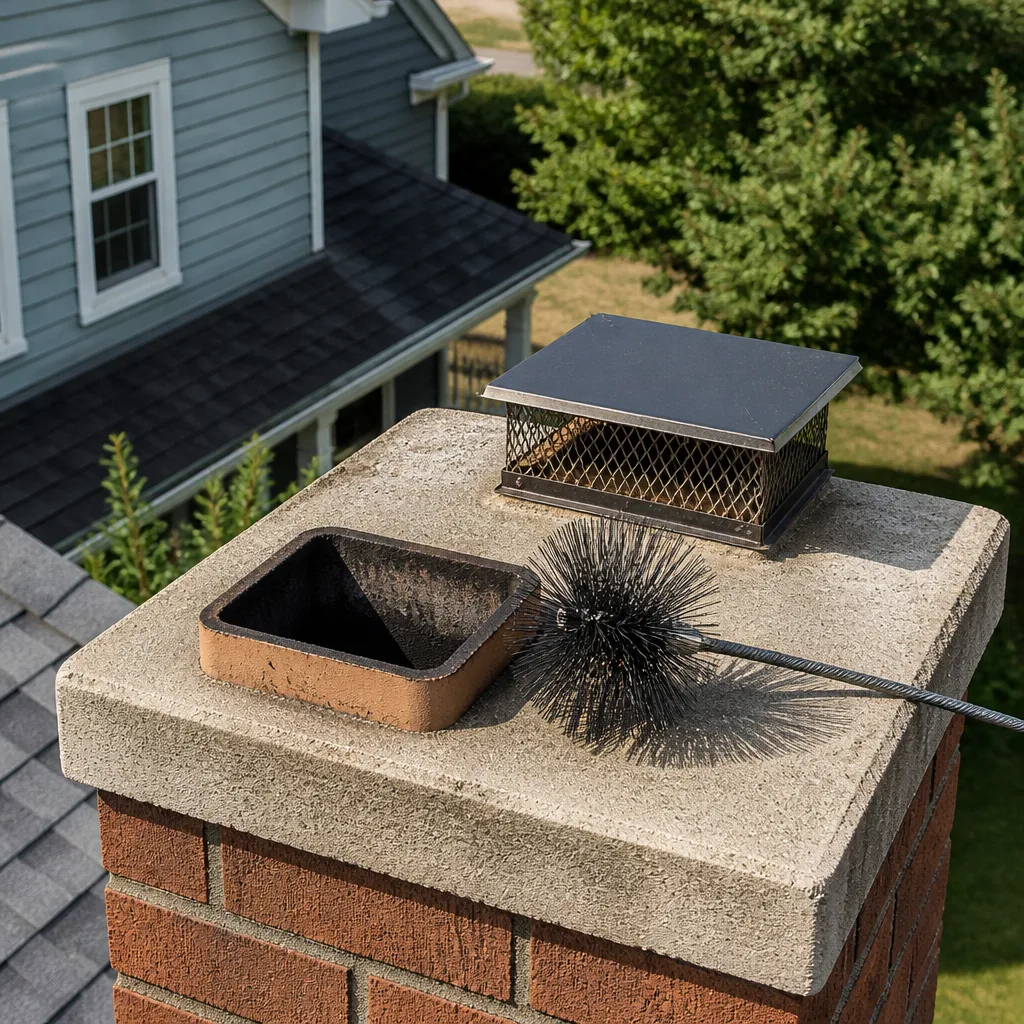 Sweep & inspection
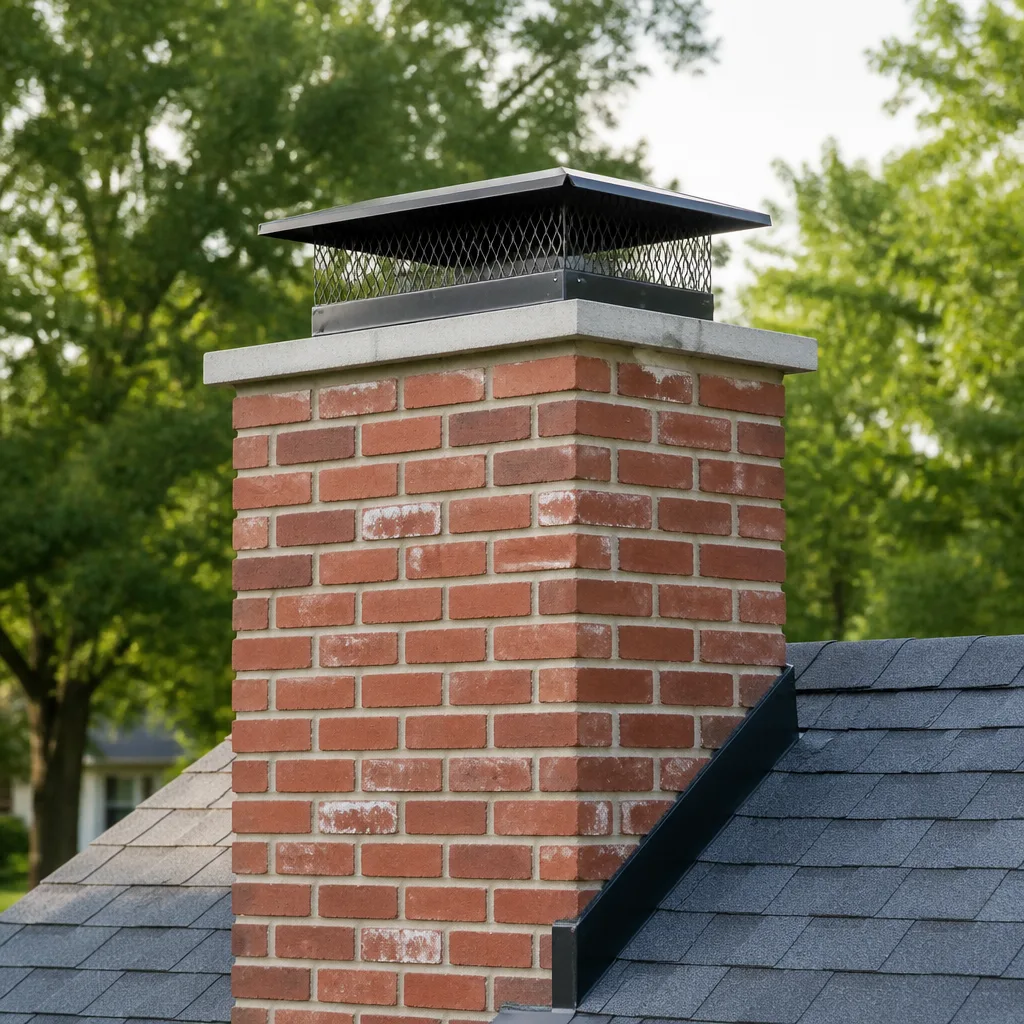 Caps & crowns
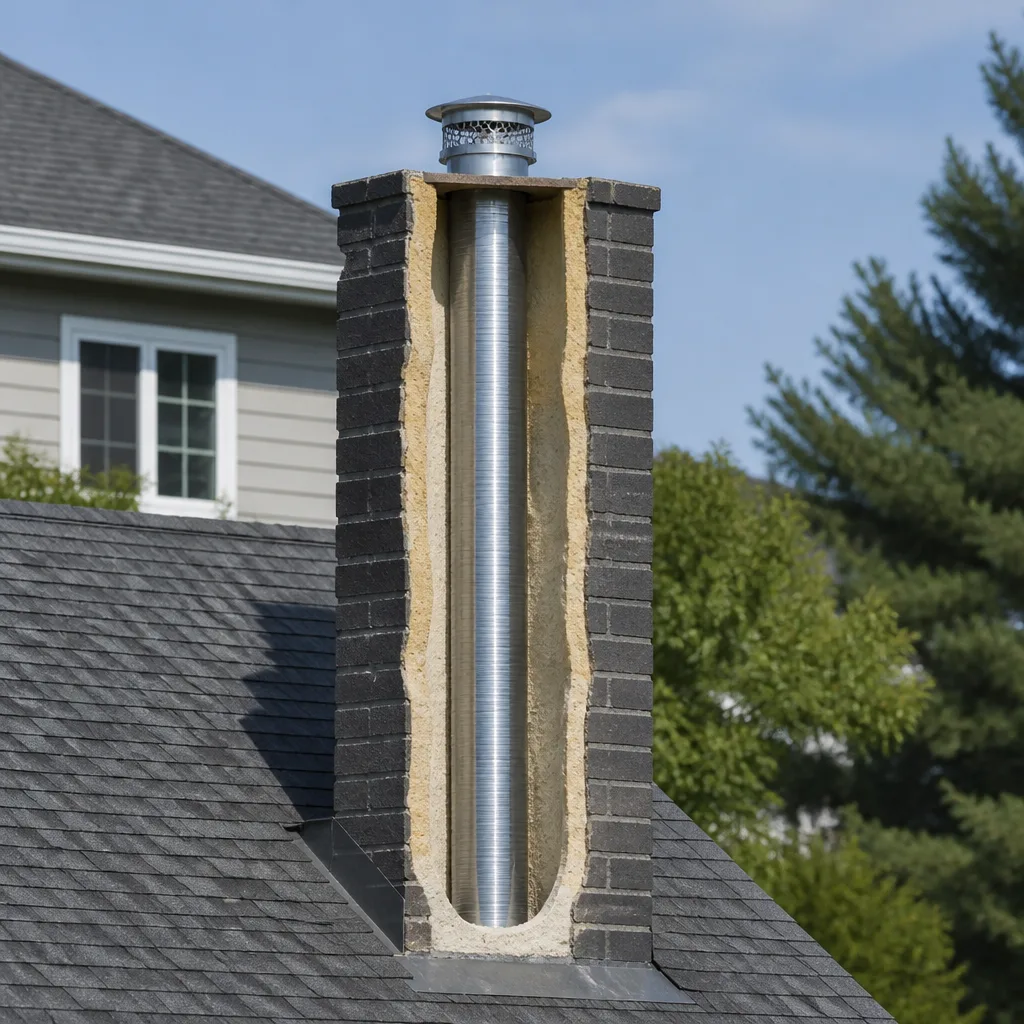 Flue relining
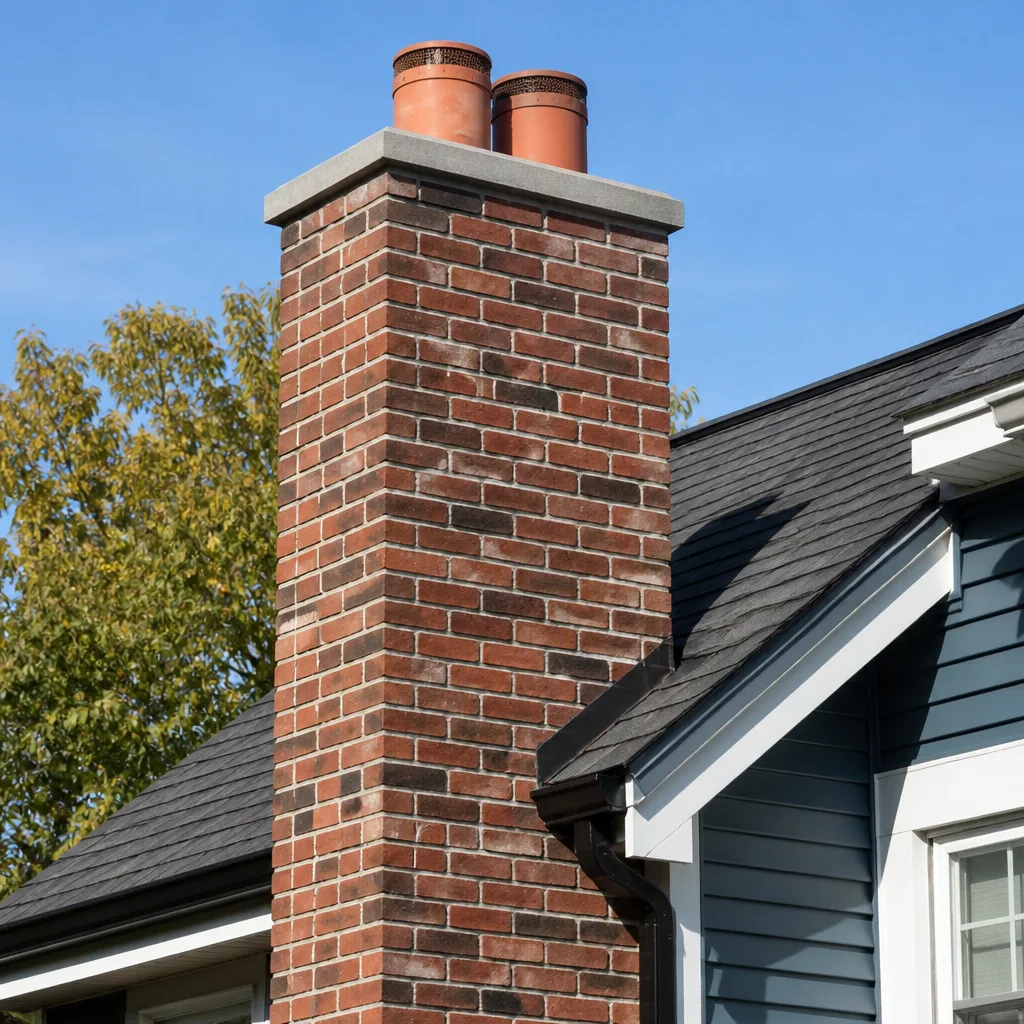 Masonry repair
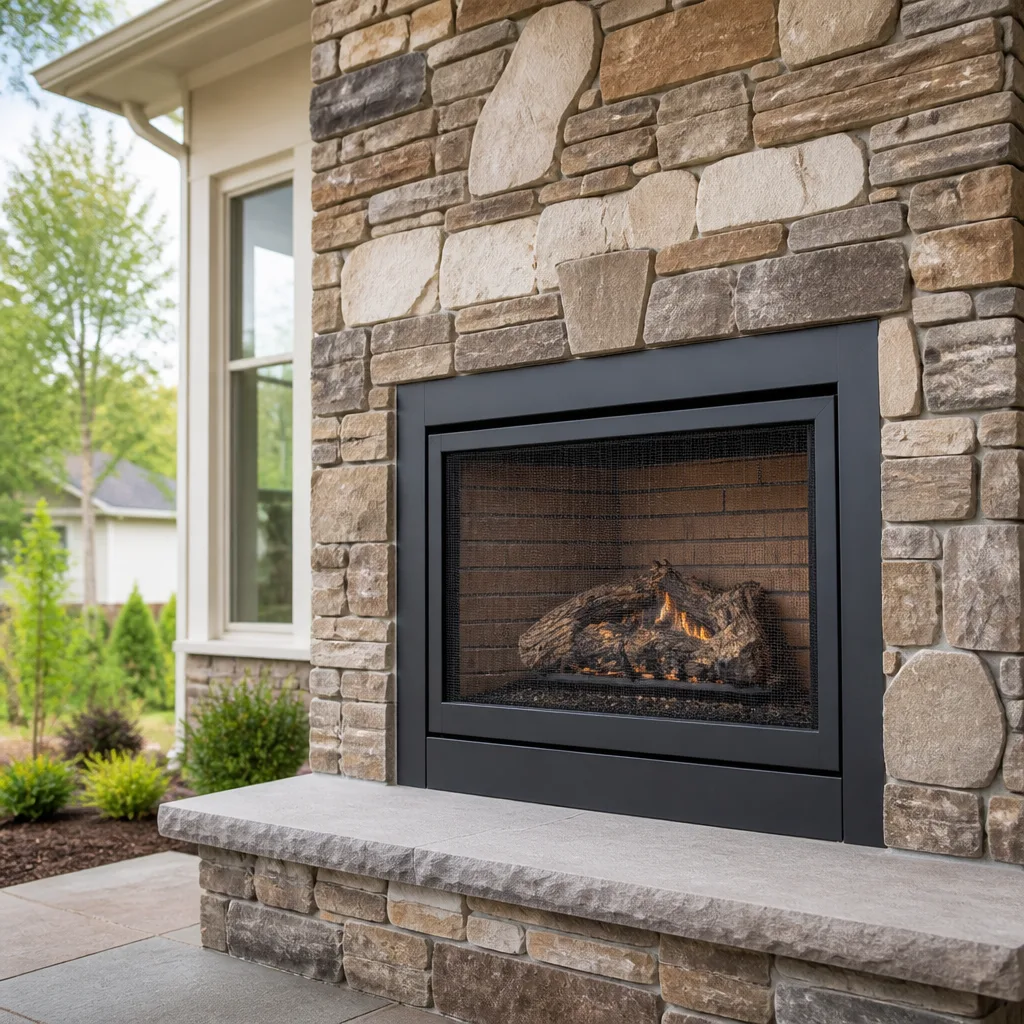 Gas fireplace service
Level 1 sweep and inspection to the NFPA 211 annual standard - flue, crown, cap, and flashing checked and photographed
Chimney sweep logs do not sweep chimneys. They loosen some creosote - which then falls where a brush and vacuum still have to collect it.
DIY vs Professional Chimney Cleaning: The Springville Homeowner’s Decision Guide
Chimney brush kits are cheap and widely available, and they do work. That’s the part most guides won’t tell you. The problem isn’t whether you can physically pull a brush through a flue yourself, it’s whether you’ll know what you didn’t see when you’re done. A brush cleans what it touches. It can’t tell you the flue tile behind the smoke shelf is spalling, or that the liner has a gap you’d never notice from the fireplace opening. This guide draws the line honestly between what a Springville homeowner can reasonably do and what genuinely needs a trained eye. We’ll cover what DIY actually accomplishes, which flues make it feasible, what equipment really costs, and how to extend your service intervals between professional cleanings.
Quick Answer
DIY chimney cleaning is reasonable for a straight, accessible flue in a home that’s swept regularly and burns well-seasoned wood. It falls short whenever the job requires a camera inspection, a structural assessment, or a liner evaluation, because those are diagnostic tasks, not cleaning tasks. For most Springville homeowners, the honest answer is a hybrid: sweep yourself if you’re confident in your setup, but bring in a professional for the annual inspection that catches what the brush can’t reach.
Styles & brands we work with
- Sweep & inspection
- Caps & crowns
- Flue relining
- Masonry repair
- Gas fireplace service
Table of Contents
- What DIY cleaning actually accomplishes
- What DIY cleaning misses: camera, structure, and liner
- Which flue configurations make DIY feasible
- Real DIY equipment costs vs. one professional service
- Liability and insurance implications for Springville homeowners
- What you can and should do between professional cleanings
- Why annual inspection is a safety standard, not an upsell
- When DIY stops making sense
What DIY Cleaning Actually Accomplishes
A properly sized brush on a flexible rod removes loose soot and light creosote from the flue walls it can reach. That’s real work, and it matters. Soot buildup reduces draft and collects on the smoke chamber. When you brush a flue and pull out dark, dry soot and flaky deposits, you’ve done something useful.
What a homeowner brush kit is good at:
- Removing dry soot from the flue walls of a flue that’s been swept regularly and hasn’t had time to accumulate hard deposits.
- Knocking down light, flaky creosote before it glazes onto the tile surface.
- Clearing the smoke chamber opening enough to maintain draft on a straightforward fireplace.
- Clearing the firebox and damper area of ash and debris before the burning season starts.
What it doesn’t do is nearly as important. A brush doesn’t inspect. It doesn’t tell you whether the mortar joints between flue tiles have begun to fail, whether the damper is warped, or whether the crown on your roof is cracked and letting water run down the flue. Those are all things we look for every time we inspect before we recommend, because the condition of the flue behind the soot is what actually determines whether the chimney is safe to burn in. A brush cleans the surface. It doesn’t read it.
For a homeowner in Springville with a well-maintained fireplace and a straight run of flue, DIY sweeping removes the soot and preserves draft. It just doesn’t answer the question of whether the flue is intact.
What DIY Cleaning Misses: Camera, Structure, and Liner
Professional sweeping does three things a homeowner brush cannot: it inserts a camera, it assesses the structure, and it evaluates the liner. Each one answers a different question, and skipping any of them turns cleaning into a guessing game.
- The camera inspection. A chimney camera travels the full length of the flue and records what the brush can’t see: the off-set behind the smoke shelf, the top few courses of tile, the transition into the smoke chamber. This is the diagnostic step that catches gaps, offsets, and cracked tiles before they become a problem.
- The structural assessment. That means the firebox, the damper, the smoke chamber, the flue tiles, the crown, and the cap. A failing crown or a rusted cap lets water into the flue, and water is the leading cause of chimney deterioration. We address both with cap and crown work because they’re the two most common sources of water intrusion.
- The liner evaluation. If the flue tiles are deteriorated, a modern stainless liner may be the right fix. We install and service DuraFlex flexible liner systems, which allow relining a flue without tearing out the masonry. But that call should come from what the camera sees, not from a sales pitch.
Where the tiles are pitted but not yet failing, resurfacing can restore the flue and extend its life. HeatShield resurfacing is a proprietary system we apply to bring deteriorated flue tiles back to a usable condition without full demolition. These aren’t services a brush kit can perform or evaluate. They fall squarely on the professional side of the line, and knowing when they’re needed is the entire point of an inspection.
Which Flue Configurations Make DIY Feasible
Flue geometry matters more than most homeowners expect. The same brush that works well in a straight, vertical interior flue can create problems in an offset or exterior flue.
Where DIY is realistically feasible
A straight run of flue from firebox to cap, on an interior chimney that’s been swept annually, is the best case for a homeowner. There are no offsets to navigate, the flue is warm through the house so creosote tends to stay dry and flaky, and the brush passes smoothly from the top or bottom. In that scenario, a homeowner who understands the equipment and can safely access the roof can do a decent job of removing soot between professional inspections.
Where DIY creates more problems than it solves
- Offset flues with one or more bends. A brush on a rigid or semi-rigid rod can bind at the offset and damage tiles on the way through.
- Exterior chimneys that run up the outside of the house. The flue stays cold, which means creosote tends to form harder, glazed deposits rather than the flaky kind a brush removes well.
- Long flues that require multiple rods and careful control. The longer the run, the greater the chance the brush catches in a joint or leaves debris behind.
- Any flue with known tile damage or prior repair work. Brushing a compromised tile can break it loose.
- Inserted stoves and fireplace inserts where the flue is only accessible from the top, and access means working on the roof.
We’re not talking about whether you’re capable, because plenty of homeowners are. We’re talking about whether the specific flue in your Springville house rewards the effort. If your flue has an offset or runs exterior, the brush kit is far more likely to miss the rough stuff than to clean it.
Real DIY Equipment Costs vs. One Professional Service
Here’s the part most comparison guides skip: the total cost of doing it yourself, properly. Not just the brush, but everything that makes a sweep safe and complete.
- Brush kit with the correct diameter for your flue: the brush must match the flue size within a tight tolerance, and many kits ship one size that doesn’t match.
- Flexible or rigid rods long enough to reach the full flue height, with enough to reach the cap safely.
- A proper chimney vacuum to capture soot rather than spread it. Shop vacuums don’t have the filtration or the capacity for the job.
- Drop cloths and containment to keep soot out of the room.
- Ladder and roof access, plus any fall protection you’re comfortable using.
- Respirator and eye protection, because soot and creosote aren’t things you want in your lungs.
Add it all up and the DIY route is rarely cheaper than one professional service if you buy quality gear and only use it once a year. When you factor in the annual inspection you still need for safety, a professional sweep does more per visit than a homeowner kit ever can. The real comparison isn’t cost for cost, it’s scope for scope, and the professional visit covers the inspection and the diagnostic work in the same trip. We’d rather tell you that plainly than let you buy a hundred dollars’ worth of kit you only use once.
Liability and Insurance Implications for Springville Homeowners
This is the section no brush kit comes with, and it’s worth understanding before you decide. Insurance questions around chimneys come down to maintenance history and whether a chimney fire or carbon monoxide event can be tied to neglected maintenance. If a chimney fire happens and the insurer asks when the flue was last cleaned and inspected, a homeowner who self-cleaned will need to demonstrate that the work was done adequately and that the inspection was current. That evidence is a homeowner’s to assemble, and documented professional inspection makes it much simpler.
If a chimney fire happens and an inspection record exists, that record shows the chimney was checked by a trained professional at the start of the season. If one doesn’t, the conversation becomes much harder to have. The same applies to carbon monoxide. A blocked or damaged flue that a camera inspection would have caught is not something a homeowner can prove they checked, because the brush can’t see it either. Untrained fireplace cleaning, or cleaning that leaves the flue in worse condition than it found it, can also introduce damage that a preventive service would have identified.
The practical takeaway is this: the cost of a professional inspection is far smaller than the argument you might have to have without one. Schedule an inspection before each burning season and keep the documentation. It protects your family first and your insurance conversation second.
What You Can and Should Do Between Professional Cleanings
Between professional service visits, a homeowner can do several things that genuinely extend the time between sweeps. These aren’t cleaning tasks in the same sense as brushing the flue, they’re preventive habits. They keep creosote from forming hard and keep water from getting in.
- Burn seasoned wood. Wood with a moisture content above the low twenties percent burns cooler and smokes more, depositing creosote faster. Split wood should season under cover for at least a year before it goes into the firebox.
- Burn hot fires. Small, smoldering fires compound creosote buildup. A small charge of wood in a hot firebox burns cleaner than a densely packed firebox smoldering all evening.
- Keep the flue in use. A chimney that sits unused for a Springville summer can develop moisture and animal problems. If the fireplace is out of use, cap the flue to keep animals out.
- Watch the cap and crown. If you can safely see the top of the chimney, look for a cap that’s cracked or rusted through, or a crown with visible cracks. Both are early water intrusion, and both are fixable before the damage goes further.
- Clear the firebox and damper area. Ash and debris from the previous season should be removed before the first fire of the new one.
- Check the damper. A damper that’s stuck open or won’t seal lets warm house air up the flue in winter and cold air down the wrong way in summer.
None of these replace an annual inspection, but they slow the buildup and give you a clearer picture when the inspector arrives. A well-maintained chimney in Springville that gets swept and inspected every year simply stays cleaner longer than one that gets attention only when smoking becomes a problem.
Why Annual Inspection Is a Safety Standard, Not an Upsell
Sweeping a flue and inspecting a chimney are two different jobs, and the fact that a professional usually does both in one visit can blur them. Sweeping cleans. Inspection looks. The reason to schedule the inspection every year, before the burning season starts, is that the safety of a chimney depends on its condition, not just on how clean it is. A clean flue with a cracked tile or a failed crown is not a safe flue.
We inspect before we recommend, and that order matters. It means a recommendation for a DuraFlex liner or HeatShield resurfacing follows what the camera actually shows, not what a sales sheet suggests. When a job genuinely doesn’t need that work, we say so. When the work can safely wait another season, we say that too. The point is to give a homeowner an honest read of the system from the firebox to the cap, not to sell the largest job on the menu.
Our technicians have up to 12 years of experience, and the training they bring is concentrated on chimney systems rather than spread across general repairs. That single-trade focus is the reason an inspection catches the small things that matter. Cap and crown work, fireplace repair, relining, and resurfacing all come out of that same diagnostic process, which means you don’t have to hand a chimney to a generalist and hope for the best. For a homeowner who wants the whole system looked after by people who specialize in it, that’s the model that makes sense.
When DIY Stops Making Sense
There are specific points where the DIY calculation flips. If any of these describe your situation in Springville, the better choice is to bring in a professional and let the inspection drive the conversation.
- You can’t see the top of the flue. A brush from the bottom misses the top third of the flue, where more creosote typically collects.
- You’ve had a chimney fire. Even one that burned itself out can crack tiles and damage the crown. A camera inspection is the only way to know what happened.
- There’s been a carbon monoxide alarm. That’s a diagnostic situation, not a cleaning one, and it should be treated as a safety event.
- The fireplace smokes. A smoky fireplace can mean a blocked flue, poor draft, a damaged smoke chamber, or a flue that’s mismatched to the appliance. Guessing at it makes the problem worse.
- The liner is known to be damaged, or you’re not sure. If you’ve been told the flue tiles are failing, or if the chimney has never been inspected, this is the moment for the camera.
- You’ve moved into a new home with a chimney. There’s no way to know the maintenance history without looking, and the camera settles it.
Each of these is a case where the brush isn’t the tool for the question being asked. That’s not a knock on homeowners who want to handle their own maintenance, it’s just the honest read of what a brush can and can’t do.
Common Mistakes to Avoid
- Using a brush that’s the wrong size. A brush that’s too large can break flue tiles or bind at an offset, while one that’s too small leaves soot on the walls. Match the brush diameter to the flue within a tight tolerance, and measure the flue before you buy.
- Cleaning only from the bottom. A brush run from the firebox upward misses the top third of the flue entirely, which is exactly where hard creosote tends to collect in exterior chimneys. Roof-up access is the reason professional sweeps alternate directions.
- Confusing a clean flue with an inspected one. A flue can look clean through the damper and still have a damaged tile or a failed crown. The cleaning doesn’t prove safety, and that’s the most common assumption we run into.
- Self-cleaning after a previous chimney fire. Even a mild chimney fire can crack tiles and warp dampers. Cleaning doesn’t fix damage, and a brush over a cracked tile can break it loose into the flue.
- Neglecting the cap and crown. Springville summers dry things out and the first snows follow. A cracked crown lets water down the flue, and the damage is far cheaper to fix early than after a winter of freeze-thaw cycles.
- Burning unseasoned wood to stretch cleaning intervals. Green wood deposits creosote faster than a brush can remove it. Seasoning wood properly does far more to extend your interval than sweeping more often.
- Skipping the annual inspection because the chimney was swept. Sweeping and inspection are separate jobs. A home with a clean flue and no inspection record is a chimney with unknown condition.
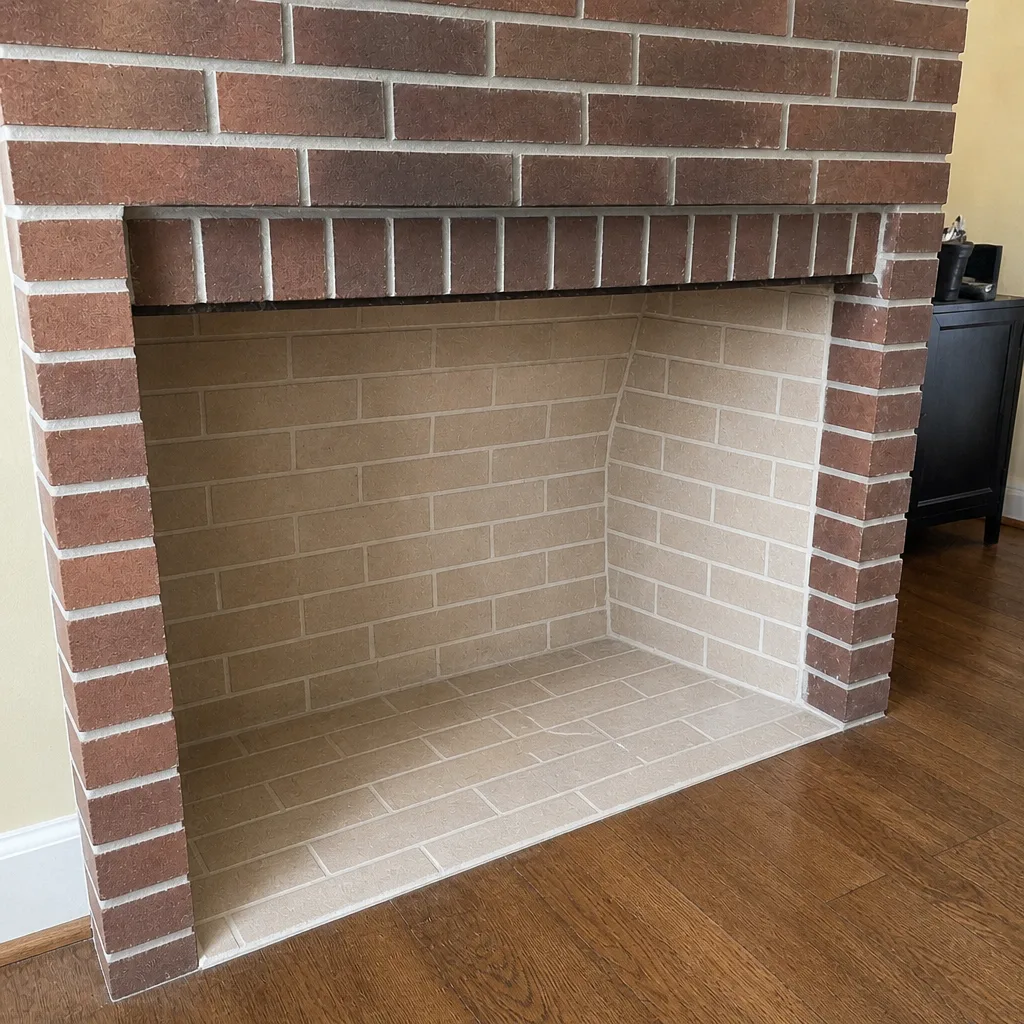
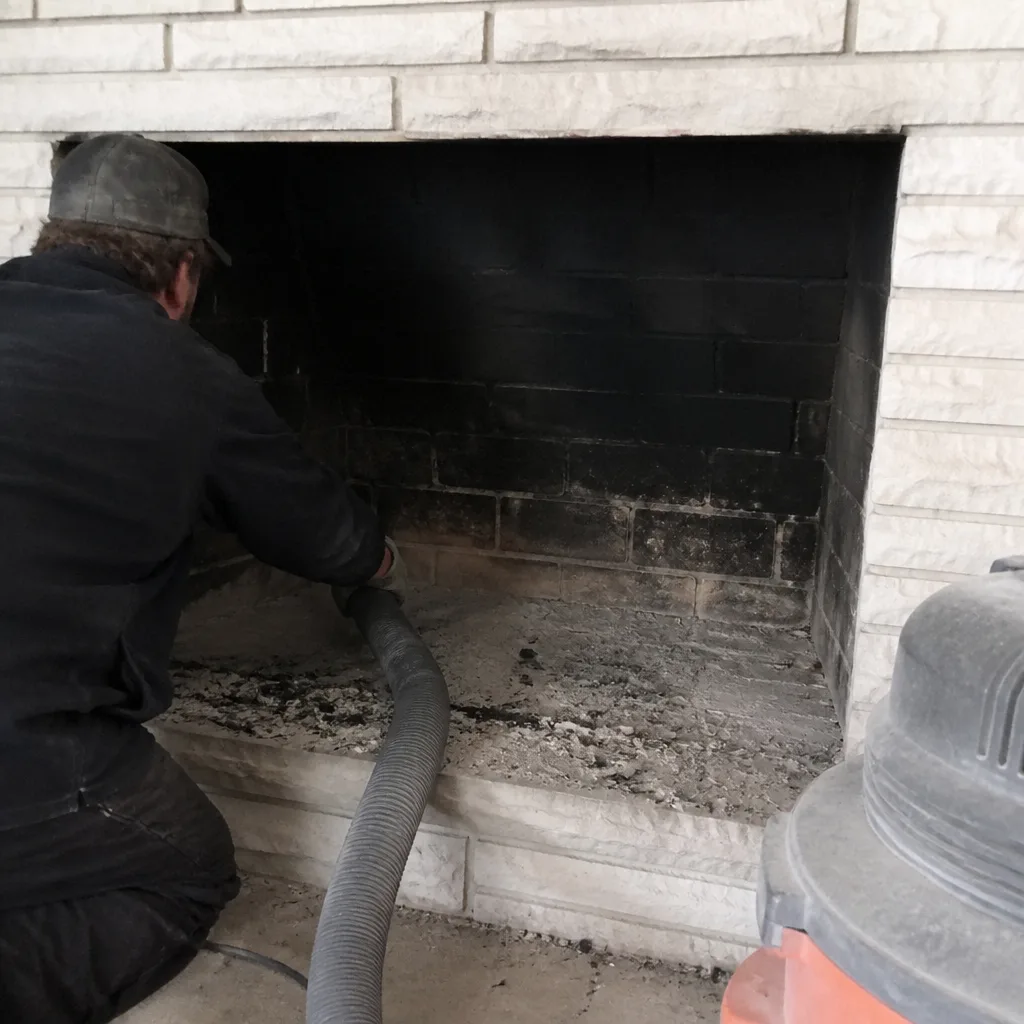
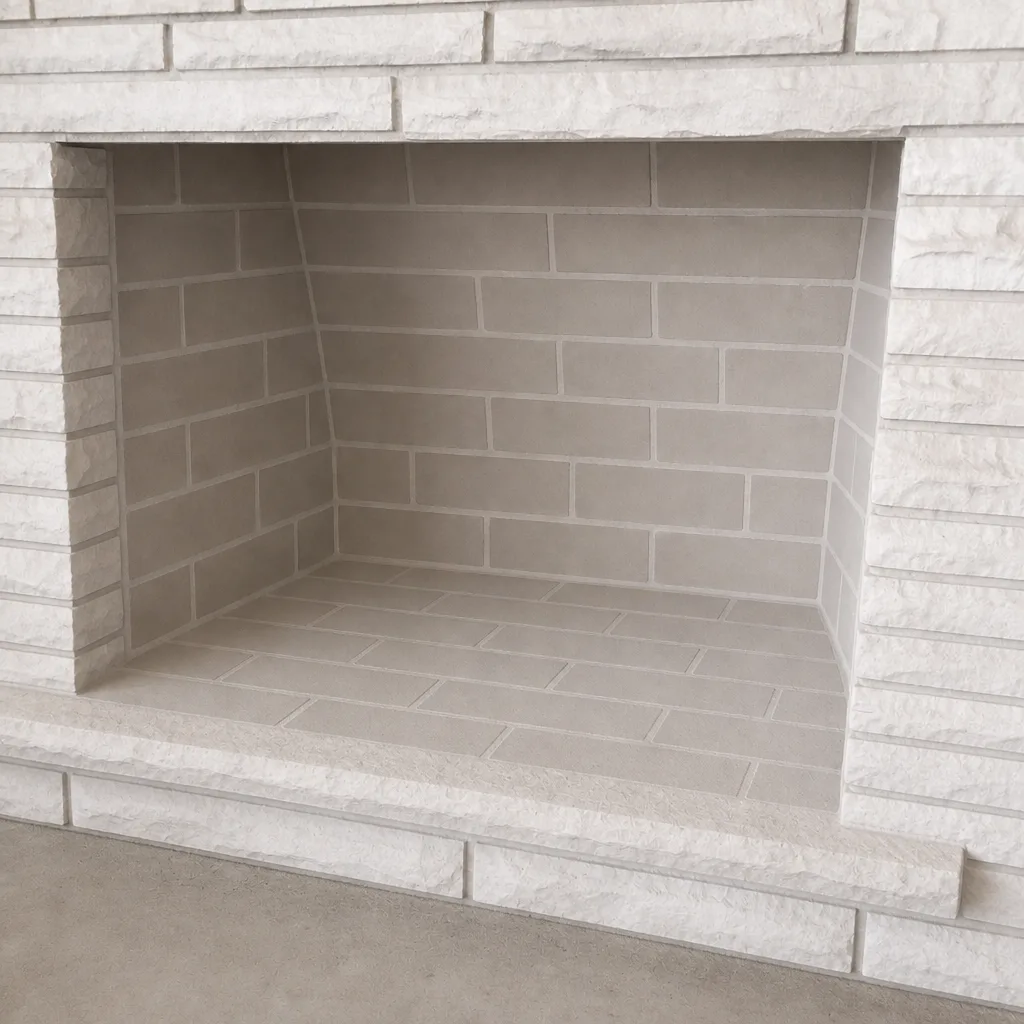
See the difference
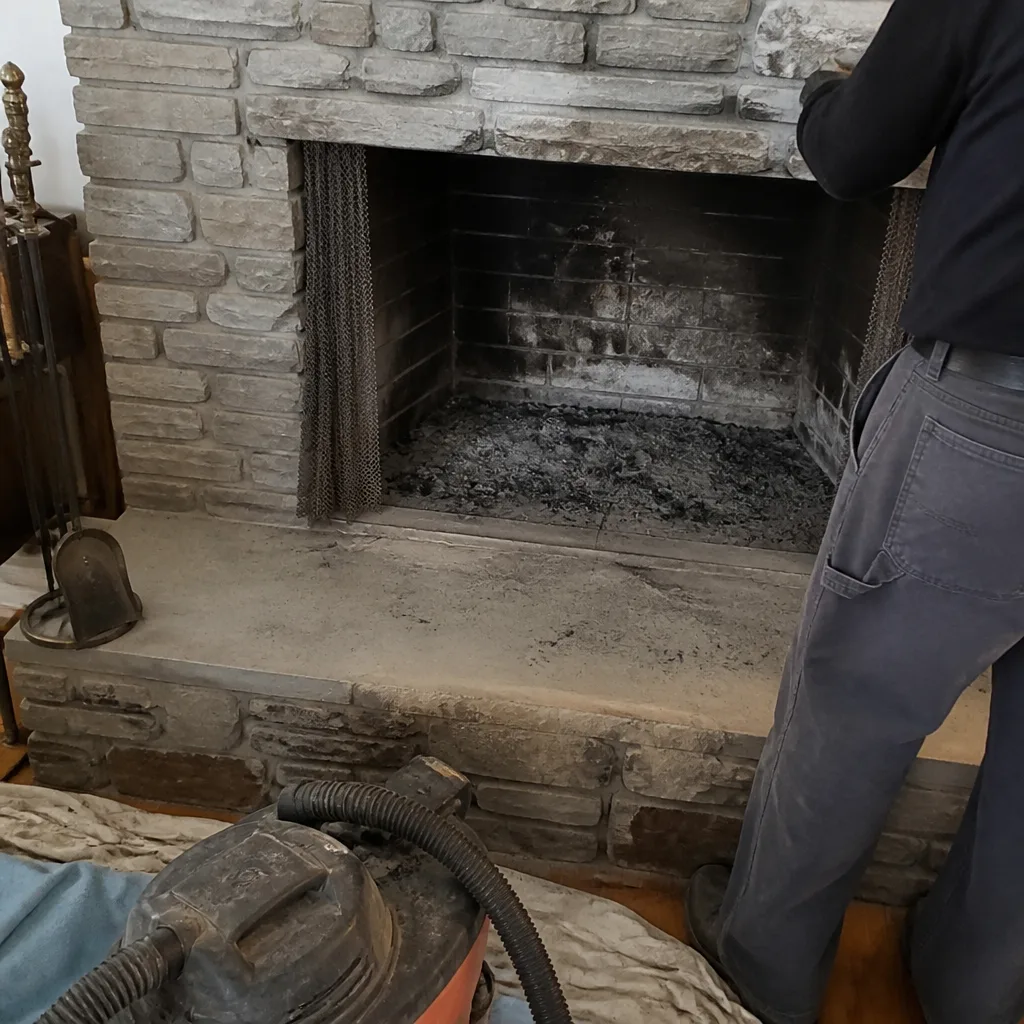 Before
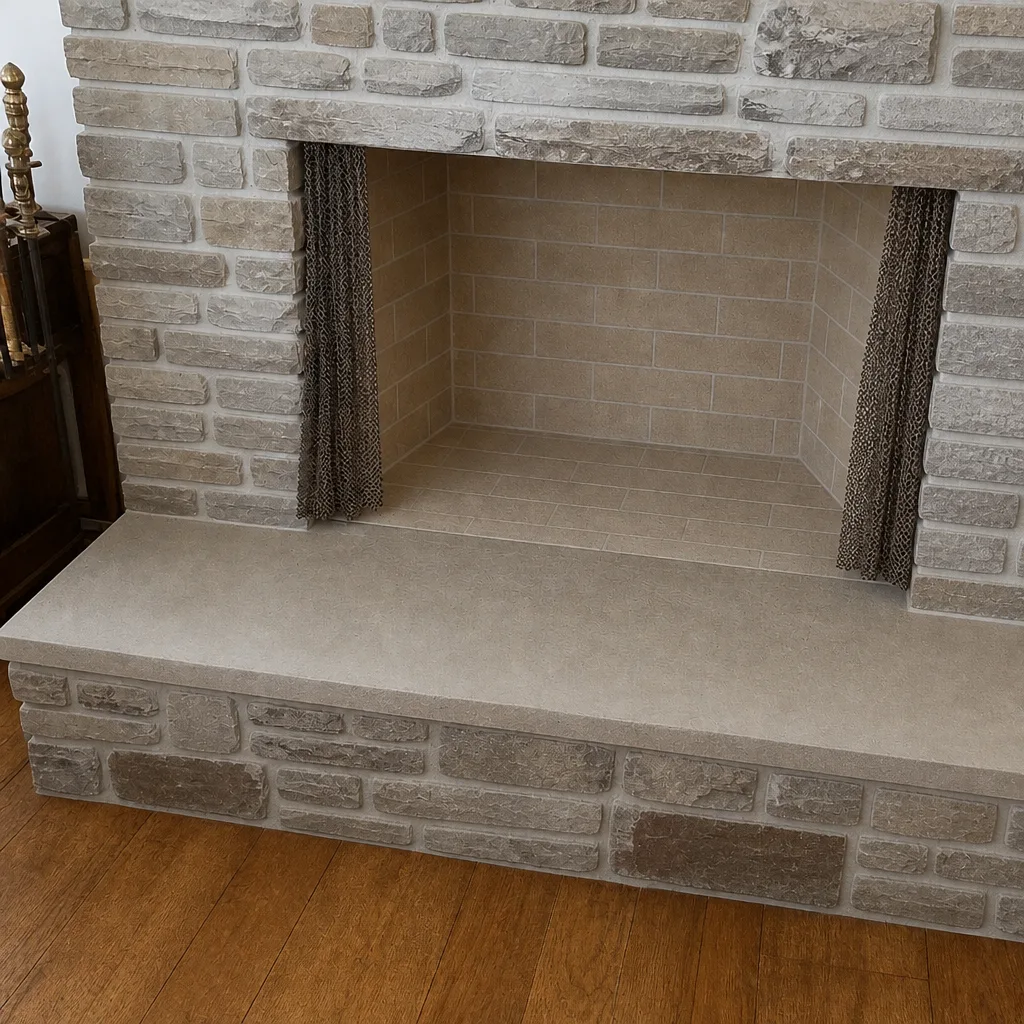 After
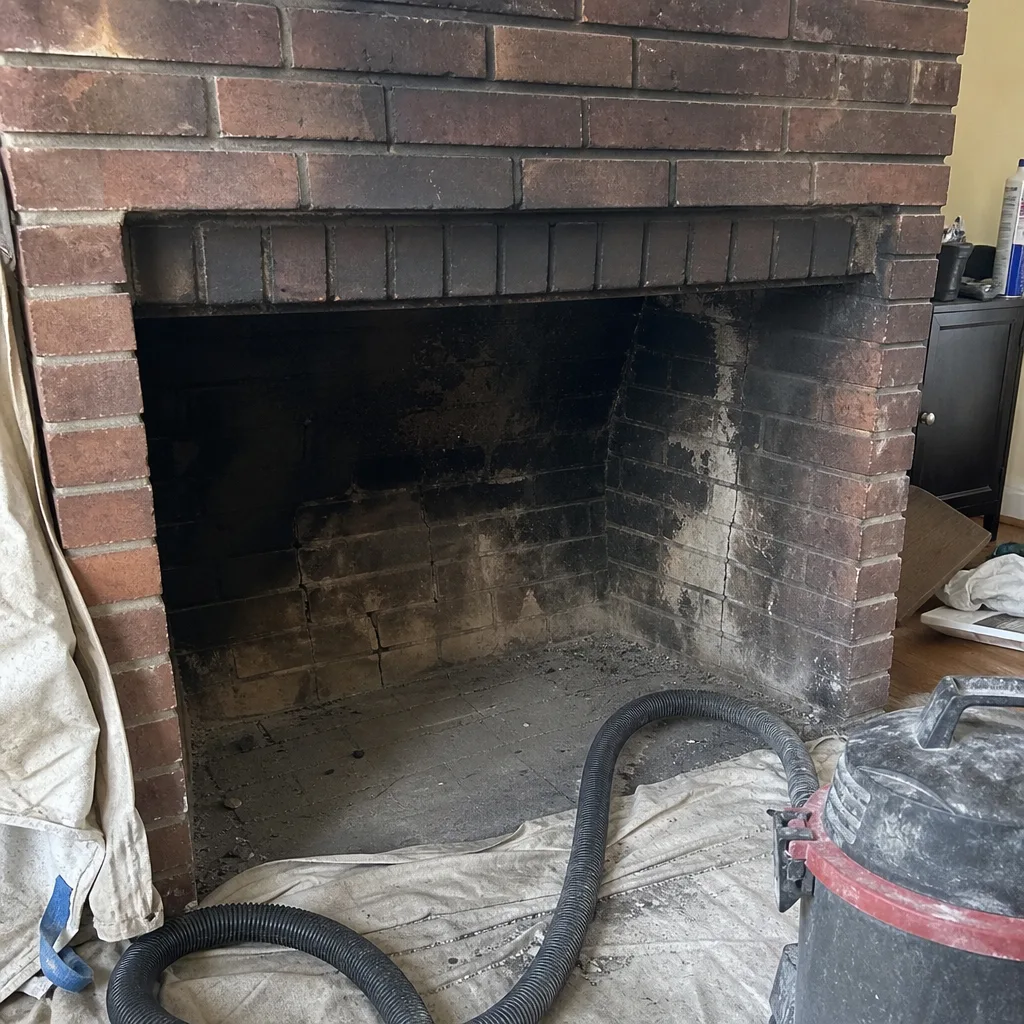 Before
 After
 Before
 After
When to Call a Professional
You should call a professional when the job needs more than soot removal: a camera inspection, a liner evaluation, a structural assessment, a post-fire check, or a carbon monoxide diagnosis. You should also call when your flue is offset, runs exterior, or is longer than you can safely reach from the roof. And you should call before each burning season for the annual inspection that establishes your chimney’s condition in writing. If you’ve been told you need thousands of dollars of liner or masonry work and you can’t verify it, that’s the call we want: nothing gets recommended without camera evidence you can see for yourself, and we’ll tell you plainly when work can safely wait. Chimney Sweep Springville offers free estimates in Springville. Call (888) 469-8196. We answer 24/7. Fast dispatch from 7am to 7pm, Sunday through Friday.
Frequently Asked Questions
Yes, for a straight, accessible flue that’s been swept regularly, a homeowner with the right brush kit can remove loose soot safely. What DIY can’t do is the camera inspection, structural assessment, or liner evaluation that tells you whether the flue is actually safe. For most homeowners the practical approach is DIY soot removal between a professional’s annual inspection. Call (888) 469-8196 for an exact quote on the inspection, estimates are free.
A chimney should be swept and inspected at least once a year, before the burning season starts. If you burn heavily or use unseasoned wood, more often. The annual inspection is the safety step, and the sweep is the maintenance step. Call us to book an inspection before the season begins, estimates are free.
Skipping cleaning lets creosote build up on the flue walls, and heavily glazed creosote is what can fuel a chimney fire. Skipping the inspection means flue tile damage and crown cracks go unnoticed, which is how carbon monoxide can enter the home through a damaged flue. The risk isn’t hypothetical, it’s measurable, and it’s why the annual inspection is the standard. If you’re overdue, call (888) 469-8196 for an exact quote, estimates are free.
Whether you need a new liner depends on what the camera shows: deteriorated tiles often justify a DuraFlex stainless liner, while pitted but intact tiles can sometimes be restored with HeatShield resurfacing. We inspect before we recommend, so the answer follows the evidence, not a sales sheet. Call (888) 469-8196 and we’ll walk you through what we see, estimates are free.
Usually not, once you add up brushes, rods, a proper chimney vacuum, containment, and roof access. A homeowner kit rarely costs less than one professional service, and it still doesn’t include the inspection that establishes chimney safety. If you’re going to own the equipment, use it between professional inspections rather than as a replacement for them. Call (888) 469-8196 for an exact quote on a sweep and inspection, estimates are free.
Insurance claims can hinge on maintenance history, and documented professional inspection is much easier to produce than a record of self-cleaning. If a chimney fire or carbon monoxide event happens, having an inspection record shows the chimney was checked by a trained professional. Call (888) 469-8196 to schedule an inspection before the season, estimates are free.
The Bottom Line
DIY chimney cleaning is a reasonable choice for a simple, straight flue that’s been maintained, and we’d rather say that plainly than pretend otherwise. What DIY cannot replace is the inspection: the camera that shows the condition of the flue, the structural assessment that catches crown and cap problems, and the liner evaluation that tells you whether the flue can safely carry your fires. The right approach for most Springville homeowners is a hybrid. Do the simple preventive work yourself, keep the wood seasoned and the firebox clear, and bring in a professional once a year for the inspection and sweep that covers what the brush can’t reach. From the firebox to the cap, the system is worth looking at properly.
If the setup in your Springville home has an offset flue, an exterior chimney, a past fire, or no inspection record at all, the decision is easier than you’d think. We cover the whole arc of the work under one roof, from routine cleaning through chimney repair, and we use professional-grade materials like DuraFlex and HeatShield when the camera shows they’re needed. If you’d rather try the DIY route for the soot and let a professional handle the inspection, that’s the arrangement we’d recommend for most homes here. Either way, call (888) 469-8196 for a free estimate. We answer 24/7. Fast dispatch from 7am to 7pm, Sunday through Friday. Whether the question is a routine chimney sweep or a heavier repair, we’re glad to talk it through before you decide.
Written by the team at Chimney Sweep Springville.