
Last updated November 23, 2026
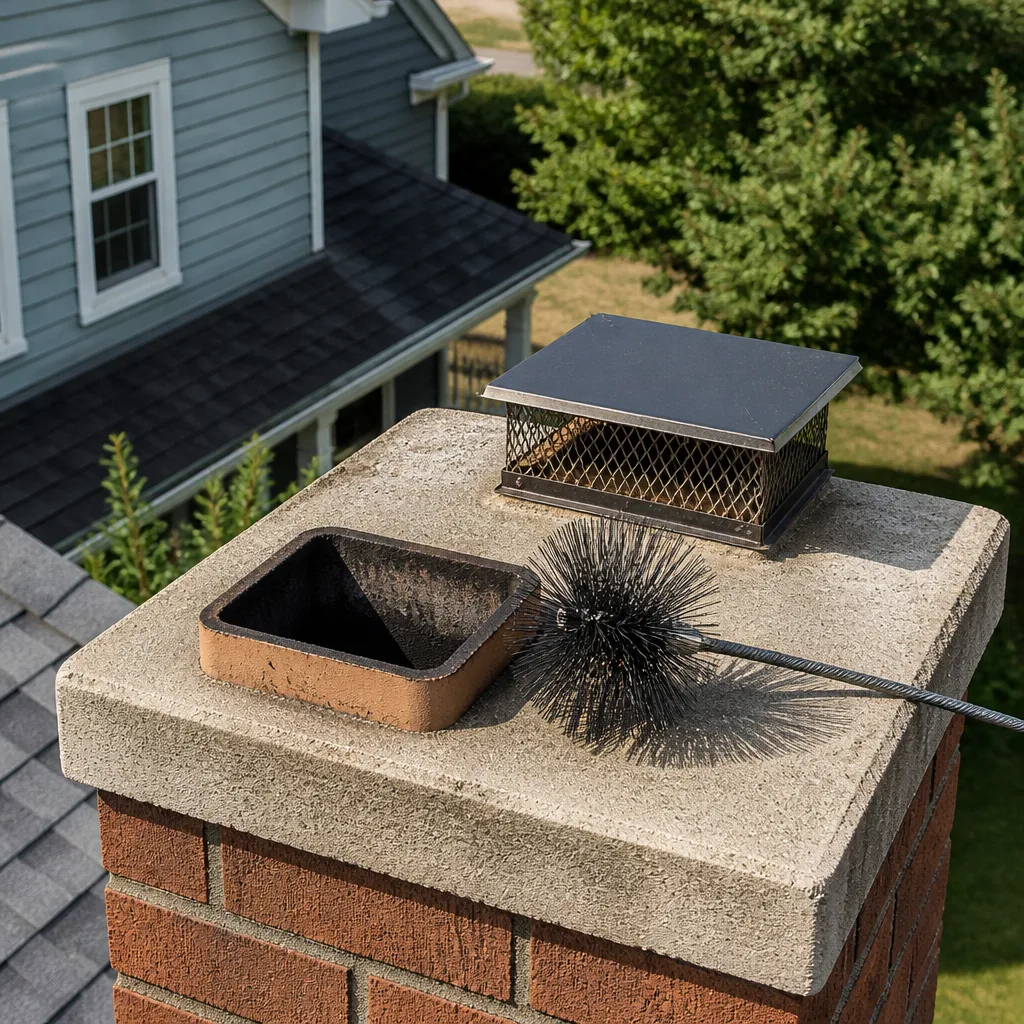 Sweep & inspection
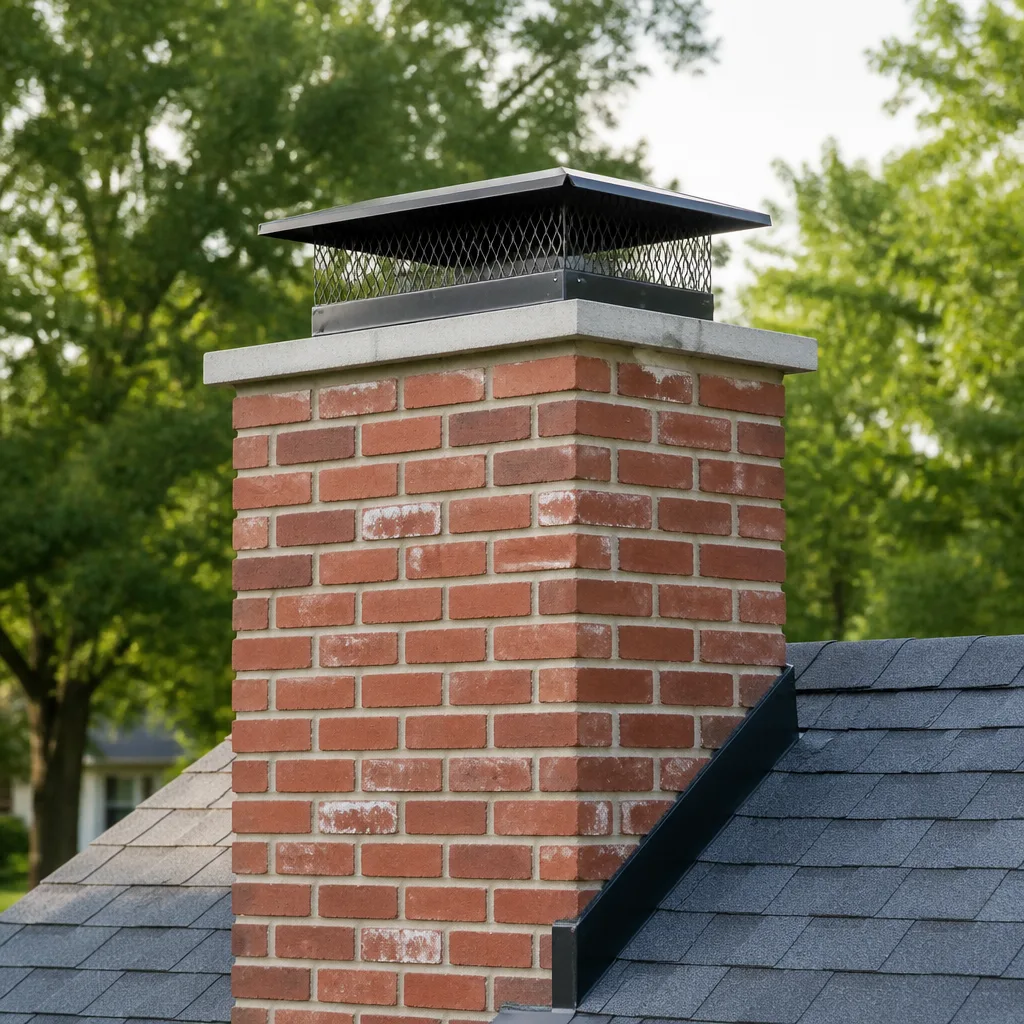 Caps & crowns
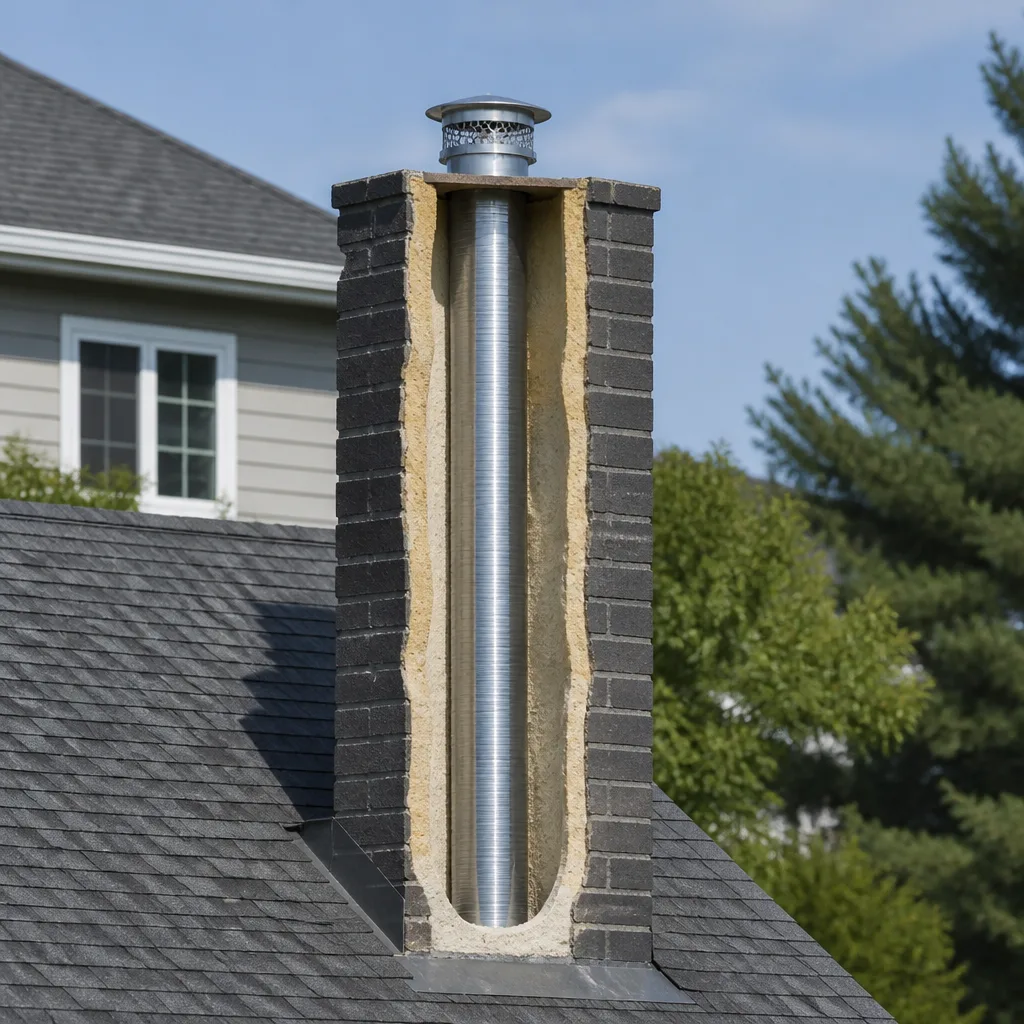 Flue relining
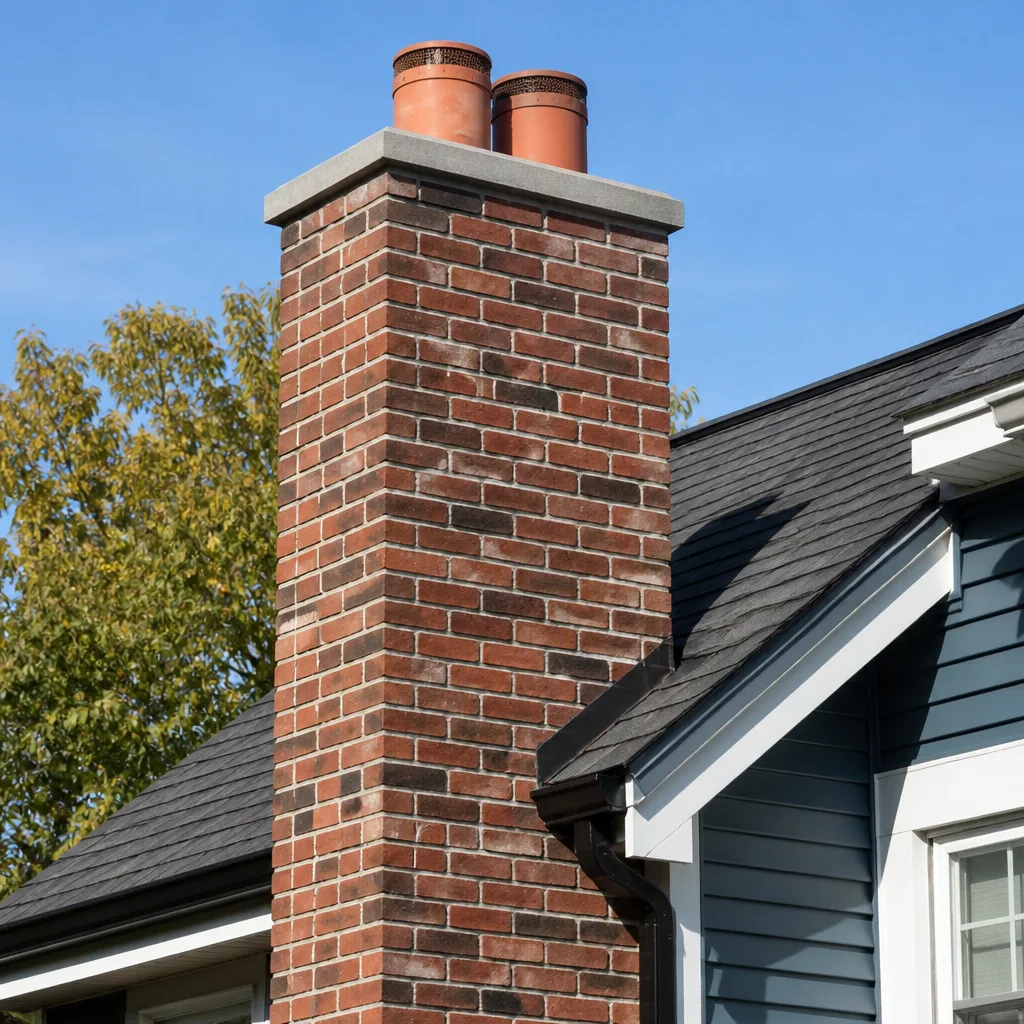 Masonry repair
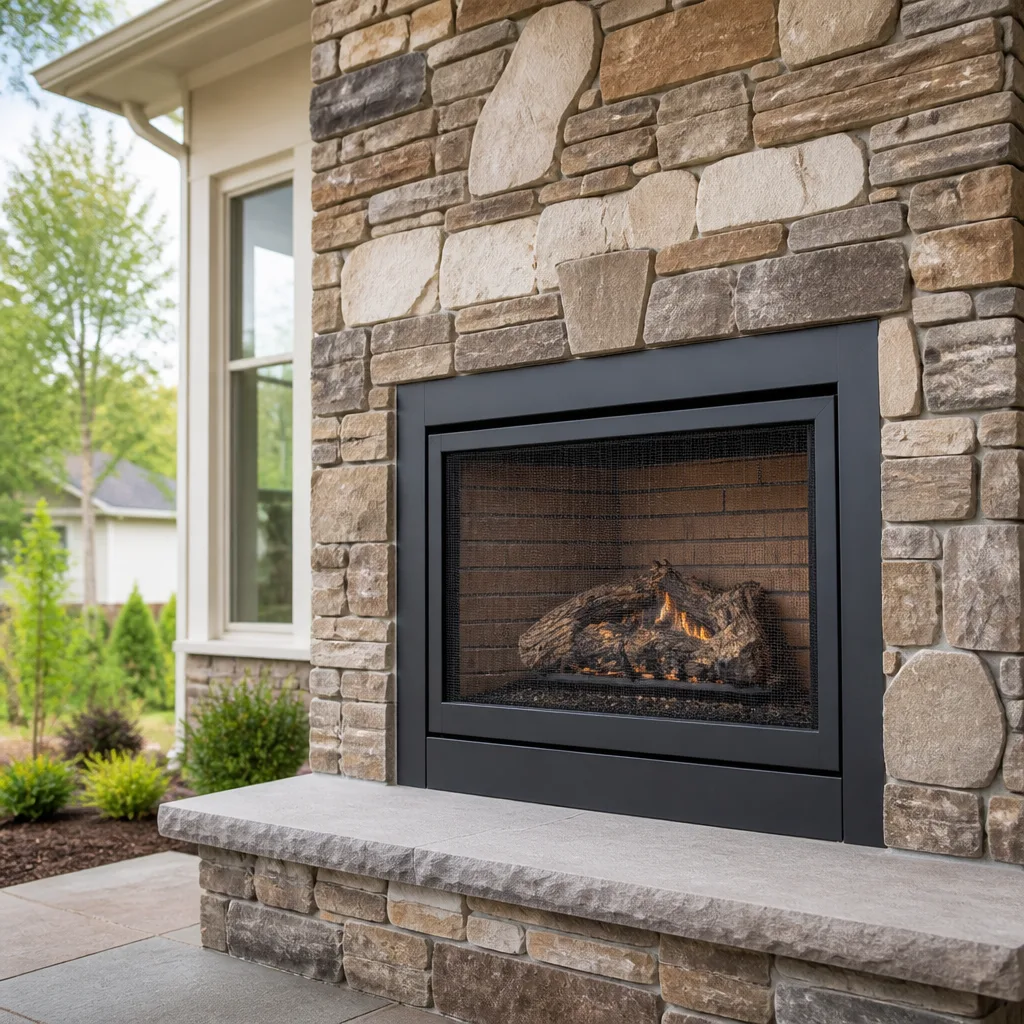 Gas fireplace service
Level 1 sweep and inspection to the NFPA 211 annual standard - flue, crown, cap, and flashing checked and photographed
Chimney sweep logs do not sweep chimneys. They loosen some creosote - which then falls where a brush and vacuum still have to collect it.
Chimney Sweep Maintenance Checklist for Springville Homeowners
A checklist that tells you to “inspect the flashing” without telling you what a failing flashing actually looks like from inside your attic is just busywork on paper. Most chimney maintenance guides hand you a list of tasks and skip the part that matters: what you’re looking for and why it fails. In Springville, two things drive most chimney problems. The first is the older masonry stock in the historic blocks near the center of town, where brick and mortar have spent decades absorbing the freeze-thaw cycle of a Utah Valley winter. The second is how hard a Springville fireplace works during a cold season, when the fire burns for hours at a time and the flue sees more creosote, more heat and more moisture than a fair-weather fireplace ever does. This guide ties every checklist item to the failure point behind it, so you know what you’re checking for before you climb into the attic with a flashlight.
Quick Answer
A working chimney maintenance checklist for Springville covers three layers. First, homeowner checks you can do safely: firebox visuals, cap and crown condition, and water staining. Second, professional items that need a sweep’s camera and tools: the flue interior, creosote levels, and a documented inspection before the burning season starts. Third, habit items that keep the schedule honest: a log of burn hours, a note of any change in smoke or draft, and last year’s report on hand. Done in the right order, the whole checklist protects the crown and cap from spring meltwater, catches flue problems before the first fall fire, and makes each annual inspection faster and easier to read.
Styles & brands we work with
- Sweep & inspection
- Caps & crowns
- Flue relining
- Masonry repair
- Gas fireplace service
Table of Contents
- Pre-Season Checks You Can Do Yourself
- What the Firebox Tells You Before the First Fall Burn
- Spring Exterior Checks: Crown, Cap and Flashing After Freeze-Thaw
- The Items That Need a Sweep’s Camera and Tools
- Mid-Season Signals That Your Burn Habits Have Changed
- Post-Season Documentation That Pays You Back
- How Often to Schedule a Springville Chimney Sweep
- When a Checklist Item Becomes a Repair
Pre-Season Checks You Can Do Yourself
Before the first fire of the season, split your inspection into two columns: what you can check safely from the hearth and the ground, and what you must leave to a trained technician. The homeowner column is about looking, not touching. The professional column is where the tools and the camera come in.
The homeowner list, in order:
- Look up the flue from the firebox with a flashlight. You want to see an open, unobstructed channel. A visible buildup of dark, crusty material on the damper or smoke shelf is a sign the flue needs attention before you burn.
- Check the damper. Open and close it by hand. It should move without grinding and should seat fully. A damper that sticks or hangs partway open lets heated air escape all winter.
- Look for water stains on the firebox brick and the wall above it. Discoloration or a white chalky bloom on the brickwork means moisture is getting in from above, and moisture and masonry don’t mix.
- Walk outside and look at the chimney top from the ground. Check whether the cap is seated, whether the crown is cracked, and whether anything has nested under the cap.
- Clear the firebox of old ash. Do this before you sweep a professional in, not after. It makes the appointment shorter and the inspection easier to read.
- Test your smoke and carbon monoxide alarms. A chimney is only safe when the alarms that back it up actually work.
The professional column is shorter but more technical. It includes sweeping the flue, documenting creosote levels, running a camera down the flue to check the interior tile joints, and formally inspecting the full system from the firebox to the cap. Those items need a sweep’s rods, brushes and camera, and they’re the ones we recommend booking before the first fire. Our chimney sweep visits include that documented inspection every time.
What the Firebox Tells You Before the First Fall Burn
The firebox is where a chimney usually confesses its problems first. Long before a crack shows on the outside of the chimney, the inside of the firebox and the smoke shelf above the damper will tell you the flue needs attention. In Springville homes that burn hard through the winter, the firebox takes the full force of the heat and the smoke, and the signs are readable.
Things to look at in the firebox, and what they mean:
- White, chalky bloom on the brick. This is efflorescence, a mineral deposit left behind when moisture moves through the masonry. It means water has been in the chimney and is finding its way out through the brick.
- Crumbling or soft mortar between the firebox bricks. Mortar that crumbles under a fingernail has lost its structure. A firebox with loose mortar needs repair before it burns again, not after.
- A slick, glossy, tar-like coating on the smoke chamber walls. That shine is glazed creosote, the hardest stage of creosote to remove. A standard brush won’t cut it. If you see glaze, the flue needs a professional sweep with the right tools and possibly a resurfacing.
- Dark streaks above the damper. Smoke escaping past the damper instead of up the flue leaves streaks on the smoke shelf. Streaking means draft problems, a partially blocked flue, or a damper that doesn’t seat.
- Crumbling firebrick lining. The firebrick inside the firebox is meant to take direct heat. Once it cracks deeply, the fire is working on the brick behind it.
When a firebox check turns up glaze, loose mortar or cracked firebrick, that’s the point where a repair visit makes sense. Our fireplace repair service starts with a camera inspection so we know exactly what the flue looks like before anything gets recommended. We inspect before we recommend. That’s the rule.
Spring Exterior Checks: Crown, Cap and Flashing After Freeze-Thaw
Spring is when a chimney shows you what winter did to it. Springville’s freeze-thaw cycle is the reason. Water gets into a small crack in the crown or the mortar joints during a daytime thaw, freezes overnight, and expands. It does that dozens of times across a Utah Valley winter. By the time the ground thaws in spring, a hairline crack in a masonry crown has often become a real one, and cracked mortar joints on the chimney stack have widened.
The spring walk-around, in order:
- Check the crown. The crown is the concrete cap on top of the chimney that sheds water away from the stack. Look for cracks, spalling (where the surface is flaking off), or a crown that has pulled away from the flue tile. A cracked crown is the number-one path for water to get into the chimney.
- Check the cap. The cap sits on a set of legs above the flue opening. Look for a cap that’s bent, rusted through, or missing a leg. A loose cap can blow off in wind and leave the flue completely open. A rusted one lets water drip straight down the flue.
- Look at the flashing. The flashing is the metal that seals the chimney to the roof. From the ground you can look for a lifted edge, a gap at the base of the chimney, or rust streaks coming down the shingles. From inside the attic, you’re looking for water stains on the roof deck or the rafters around the chimney penetration.
- Check the mortar joints between the stack bricks. Look for missing mortar, crumbling joints, or bricks that have shifted. This is where the freeze-thaw cycle does its most visible damage on older masonry chimneys.
- Look for animal intrusion. A missing cap turns the flue into a nest cavity. Look for nesting material sticking out of the flue opening, or a screen cap that’s been pushed aside.
Cap and crown work is the most common preventive repair we see in Springville, and it’s also the repair that pays for itself the fastest. A cap and crown in good condition is what keeps water out of the flue and animals out of the chimney for the next few winters. We work with cap and crown components from Gelco and Famco, the same kind of professional-grade parts used on chimney systems across the country. Spring is when these checks matter most. Get them done before the first furnace run of the next season, not after.
The Items That Need a Sweep’s Camera and Tools
Some checklist items are homeowner-appropriate and some are not. A camera inspection of the flue and a proper sweep with the right brushes are the items that need tools, training and a documented report at the end. That’s the part of the checklist a homeowner can’t safely substitute for.
The professional items, in order:
- A full flue sweep. The sweep removes creosote and soot with the right brush for the flue type, from both the top and the firebox end.
- A camera inspection of the flue interior. A camera is how a sweep actually sees the inside of the flue tile joints and the smoke chamber. It’s the difference between a guess and a documented finding.
- A creosote level assessment. The sweep documents the stage of creosote present. This is the number that determines how often the chimney needs sweeping.
- A structural inspection of the firebox, damper and smoke chamber. The firebox and damper are checked for cracking, loose mortar and proper operation.
- An exterior and attic inspection of the crown, cap and flashing. This is when a spring external check gets confirmed with someone who knows what a failing flashing actually looks like from both sides.
- A written report with photos. The report is the important part. It tells you what was found, what it means, and what can safely wait.
That last item is where most chimney contractors and most homeowners disagree, and it’s where we do things differently. Nothing gets recommended without camera evidence you can see for yourself. If a flue doesn’t need a liner, we say so. If a crown crack can safely wait a season, we tell you that too. The inspection is the deliverable. The repair, when it’s needed, is the next conversation.
Mid-Season Signals That Your Burn Habits Have Changed
Chimney maintenance isn’t just an annual event. It’s an ongoing read on how you’re using the fireplace. Mid-season, usually after the coldest stretch has passed, the way a fire behaves tells you whether the cleaning schedule needs to be pulled forward. That signal matters more in Springville than in milder parts of the valley, because a fireplace here can put in real burn hours during a cold snap.
Signals to watch for mid-season:
- Smoke rolling back into the room when you light the fire. A draft that used to pull strong suddenly weak is a sign the flue is narrowing with creosote or the cap is partly blocked.
- A stronger smell of smoke in the room, even when the fire isn’t new. A chimney that used to smell clean and now gives off a creosote smell when the fire is lit is telling you the creosote load has increased.
- The glass doors or firebox front getting black faster than usual. Heavy sooting on the glass means incomplete combustion, which means more creosote going up the flue.
- A noticeably different burn. If the fire takes longer to catch, burns cooler, or leaves more unburned wood, the draft has changed. Chase the cause before the season ends.
- Increase in how often you burn. A burning season that starts with a fire a week and ends with a fire every night adds up to far more creosote than the annual schedule was built for. Pull the cleaning forward.
If two or more of those show up at the same time, book a mid-season sweep. We’d rather do a cleaning in the middle of winter than diagnose glazed creosote in the spring. Our technicians have up to 12 years of experience reading those signals, and we’ve learned that the fire behaves the same way across Springville homes with the same burn patterns.
Post-Season Documentation That Pays You Back
The most overlooked item on any chimney checklist is the one that involves a pen, not a tool. Post-season documentation is what makes next year’s inspection faster, cheaper and easier to read. It’s also the item that separates a homeowner with a protected chimney from one who finds out about a failing crown only after a leak shows up on the living room ceiling.
What to keep after each season, in order:
- The inspection report from the last professional visit. Keep the written report and the photos together in one place. A sweep can read last year’s report and know in a few minutes what the flue was like, what was done, and where to focus.
- A burn-hours log. A rough count of how many fires you burned, and how long each typically lasted. This is the input that tells the next sweep whether the cleaning interval should shorten.
- A note of any mid-season change. A draft that dropped, a smell that showed up, a glass door that sooted faster. Anything you noticed in the winter is worth a sentence in the log. It helps the next inspection go straight to the right place.
- Photos of the crown and cap each spring. A spring photo of the chimney top, taken from the same spot each year, is the fastest way to spot a crack that’s widening.
- The brand and type of any previous repair. If a flue was relined with a DuraFlex liner, or the flue tile was resurfaced with HeatShield, note it. Future repairs depend on knowing what’s already there.
A documented chimney is a cheaper chimney to keep. The next inspection reads last year’s notes, confirms the same condition, and moves on. A chimney with no record starts from scratch every time, and the inspection costs more in time and effort because of it.
How Often to Schedule a Springville Chimney Sweep
Annual sweeping is the baseline for a Springville home that uses the fireplace through the winter, and the national safety standard most chimney professionals follow ties the sweep to the amount of use and the creosote level, not just the calendar. A fireplace that only sees a few fires a year can sometimes stretch the interval. A fireplace that’s the primary heat on cold nights should not.
The scheduling rules we recommend:
- Once a year, minimum, for a wood-burning fireplace in regular use. The sweep should be done before the first fire of the season, not after.
- Sooner if the creosote exceeded the safe stage at the last visit. The sweep report tells you what that number was. It’s the most useful scheduling input you have.
- Sooner if the chimney has no cap. An uncapped flue collects debris, nests and rain, which narrows the flue and changes the burn.
- A gas fireplace still needs an annual check. Grate openings, vents and the flue can clog with debris even when there’s no wood smoke.
- Any chimney with a known crack in the crown or flashing should be checked at the same visit as the sweep. Two jobs, one appointment, one report.
If you can’t remember when the last sweep was done, that’s the answer. Book one before the next burning season starts. Our Chimney Sweep Springville team handles the sweep and the inspection in a single visit, and we book them with the written report in hand, so you’re not left guessing what was done after the technician pulls away.
When a Checklist Item Becomes a Repair
The last question on any checklist is the one that costs money: when does a finding become a repair? The answer depends on what the finding is and what it protects. Some items on a chimney are cosmetic. Others are load-bearing for the whole flue system, and a failure there gets expensive fast.
For a Springville chimney, the items that become repairs are usually four:
- A cracked crown or a failed cap. Water damage to the crown and cap is the leading cause of chimney trouble we see. Both get repaired or replaced before the next winter. The parts matter, which is why we use Gelco and Famco components for our cap and crown work.
- Deteriorated flue tile joints. When the camera shows gaps, spalling or missing joints in the clay tile flue, a resurfacing restores the flue without tearing out the chimney. HeatShield resurfacing is the system we use for this. It’s a proprietary restoration method that lets the flue tile be rebuilt from the inside, which saves the demolition a full tear-out would need.
- A flue that needs relining. When a flue is too damaged or a new appliance requires it, a flexible stainless liner is the standard fix. We install DuraFlex flexible liner systems. The brand is the same one used by chimney professionals across the country, and it’s what turns a failing flue back into a working one without rebuilding the stack.
- Firebox mortar and firebrick damage. Loose mortar in the firebox, or firebrick that’s cracked through, is restored with the right refractory material. This is part of our chimney repair work, along with mortar joint repair on the stack itself.
What’s important is that each of those repairs gets tied to a documented finding in the camera inspection. Nothing gets recommended on guesswork. If a crown crack can safely wait until spring, we say so. If a flue needs a liner, the report shows why. If a repair isn’t needed yet, we tell you that too. The written estimate sets the final price, and the estimate is free. The repair is a conversation, not an order.
Common Mistakes to Avoid
- Waiting until winter to book the sweep. The right window is early fall, before the first fire. In Springville, the first cold snap fills up the calendar fast, and a sweep booked after the first hard freeze can mean a delay before the season’s first burn.
- Treating a missing or damaged cap as a cosmetic issue. An uncapped flue collects rain, nests and debris, and the cap is the cheapest piece of chimney equipment on the house to fix. Skipping it lets water go straight down the flue all winter.
- Assuming a spring crown crack can wait until fall. Spring is when the crack is smallest and cheapest to seal. Wait through another Utah Valley freeze-thaw season and the same crack will often be a much larger repair.
- Ignoring the smoke smell from a clean fire. A chimney that starts to smell like creosote when a fire is lit has a creosote load that’s changing. Don’t wait for the annual sweep to look at it.
- Letting a general handyman handle the flue. A general contractor can repair a chimney exterior, but a flue camera, a flue brush and a resurfacing system are chimney-specific tools. A generalist who sweeps chimneys on the side doesn’t have the same toolkit, and the flue is the part you can’t inspect by eye.
- Throwing away last year’s inspection report. A documented chimney is cheaper to maintain because the next inspection has a baseline. Keep the report and the photos in one place.
- Burning green or unseasoned wood to save time. Green wood smokes heavily and puts creosote into the flue at a much faster rate than seasoned wood. That’s the mistake that shortens the cleaning interval most.
See the difference
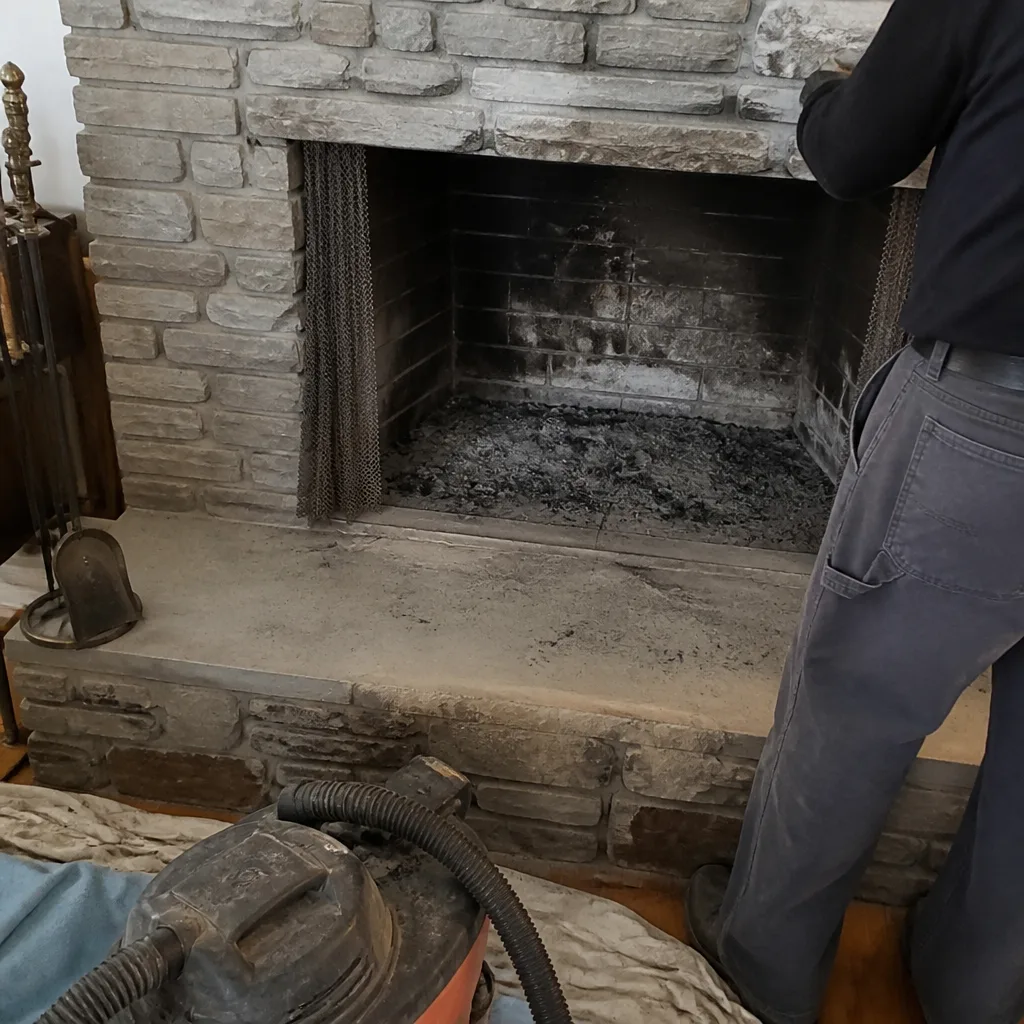 Before
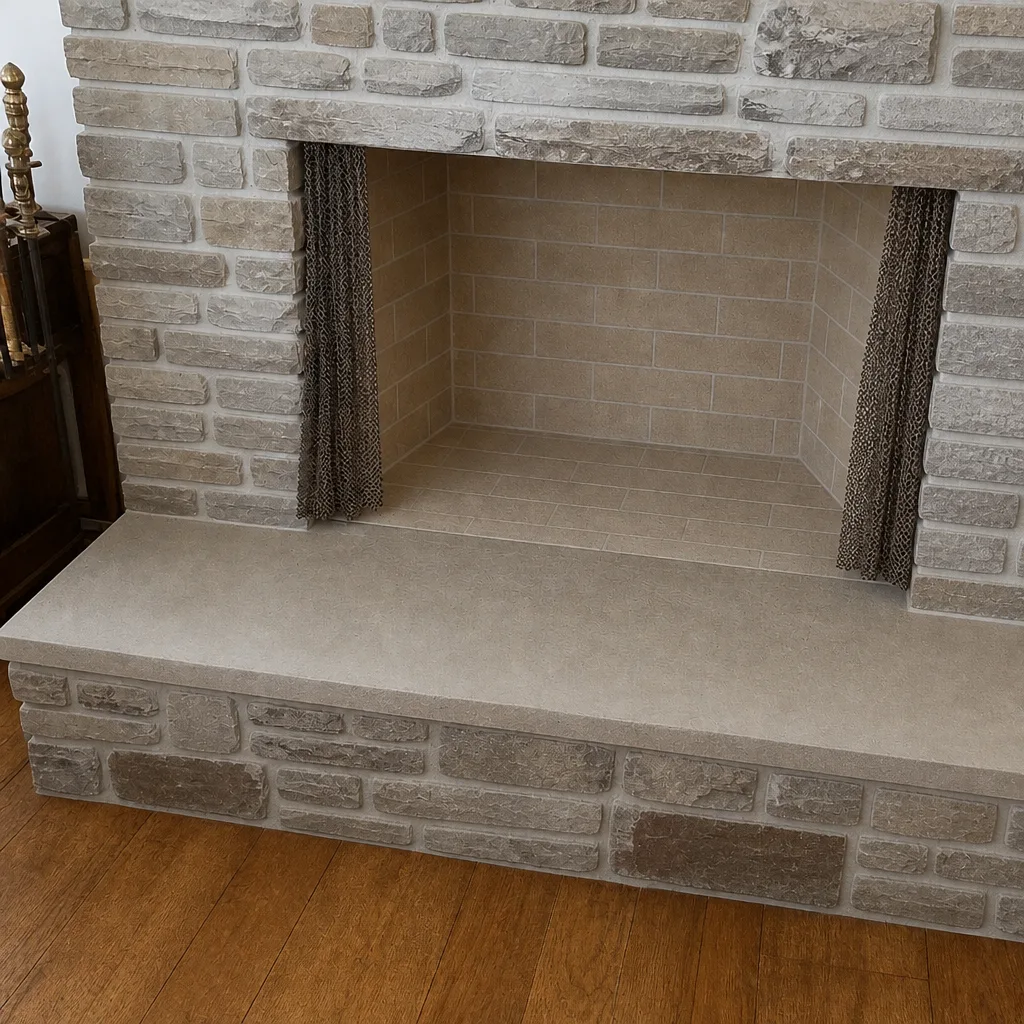 After
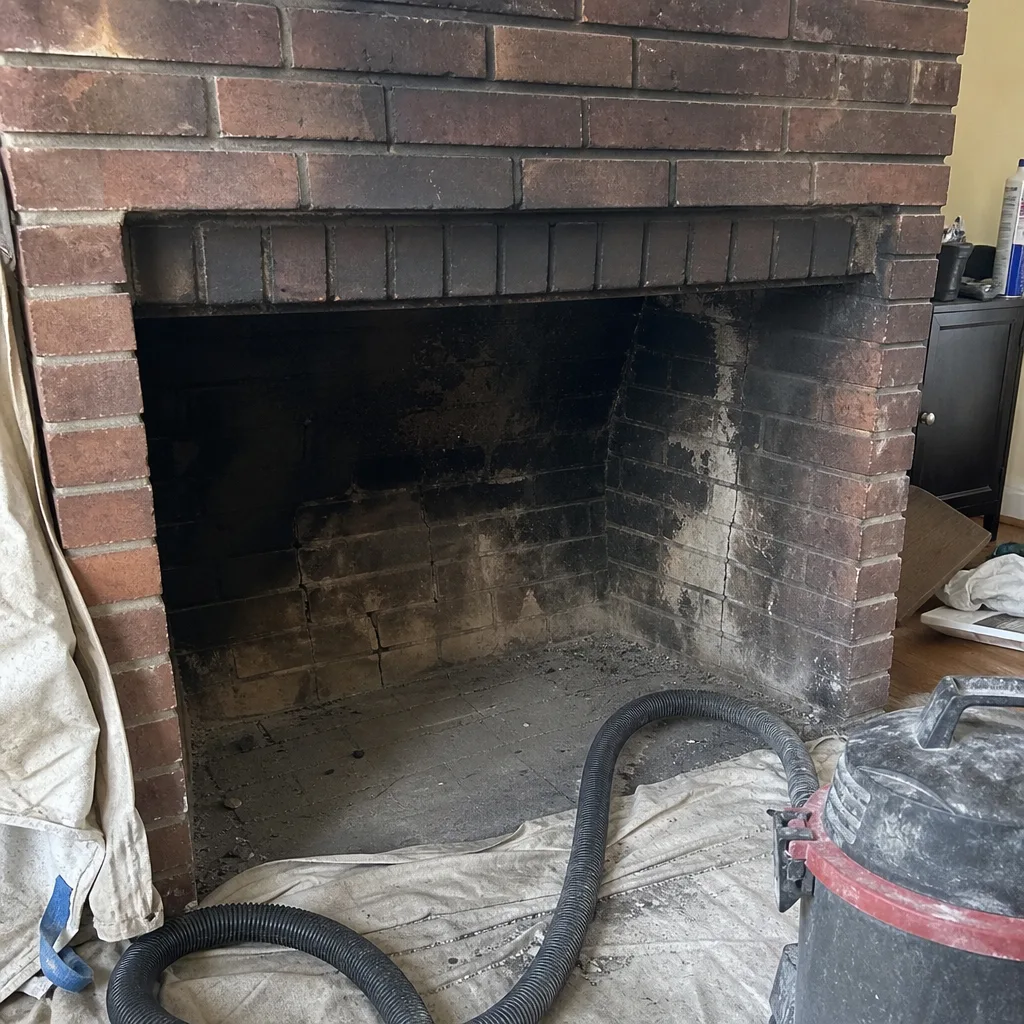 Before
 After
 Before
 After
When to Call a Professional
Some checklist items wait for the annual visit. Some don’t. Call a professional if the firebox shows glazed creosote, crumbling mortar or cracked firebrick; if the chimney smells like creosote when a fire is lit; if you see water stains on the firebox brick or the wall above it; if the crown is cracked or the cap is rusted or missing; if the draft has weakened or smoke rolls back into the room; or if you can’t remember the last sweep. Each of those is a sign the flue or the exterior needs a camera inspection, and a camera inspection is what our team does before recommending anything. Chimney Sweep Springville offers free estimates in Springville. Call (888) 469-8196. We answer 24/7. Fast dispatch from 7am to 7pm, Sunday through Friday. The written estimate sets the final price, and nothing is recommended without camera evidence you can see for yourself.
Frequently Asked Questions
A standard chimney sweep is priced per job by a written estimate, so the number depends on the flue, its condition and whether the visit includes an inspection. The estimate is free, and the written estimate sets the final price before any work is booked. Call (888) 469-8196 for an exact quote.
A wood-burning fireplace in regular use should be swept at least once a year, before the first fire of the season. If the last inspection found a higher stage of creosote, the interval should be shorter. Call (888) 469-8196 to book the sweep.
Not always, and that’s why the camera inspection comes first. A liner is recommended when the flue tile joints are deteriorated or a new appliance requires it. If the flue is sound, a resurfacing or simple cleaning may be all that’s needed, and we say so when that’s the case. Call (888) 469-8196 for a free estimate with a camera inspection.
Creosote builds up on the flue walls, which narrows the flue and raises chimney fire risk. In a Springville home that burns hard through the winter, the buildup happens faster than most people expect. The annual sweep and camera inspection are the two items that catch it before it becomes a repair. Call (888) 469-8196 to schedule one.
You can look at the crown and cap from the ground each spring, and that check is worth doing. What needs a professional is confirming what a crack or a bent cap means for the flue and the flashing. A spring visit combines the exterior check with the camera inspection. Call (888) 469-8196 for a free estimate.
Spring is when the freeze-thaw damage from winter is visible, and when a crack is smallest and cheapest to seal. Waiting until fall means the same crack has gone through another full winter cycle. The spring exterior check is the fastest way to catch a crown or cap problem before it becomes a bigger repair. Call (888) 469-8196 to book one.
The Bottom Line
A chimney checklist is only useful when every item on it tells you what you’re checking for. In Springville, the failure points are consistent: a masonry crown taking the full force of the freeze-thaw cycle, a firebox that shows moisture and creosote before the flue does, and a burn pattern through a cold Utah Valley winter that puts more creosote into the flue than a fair-weather fireplace would ever see. Work the checklist in three layers. Do the homeowner checks yourself: firebox visuals, cap and crown condition, water stains. Book the professional items before the first fire: the sweep, the camera inspection, the written report. And keep the documentation. A chimney with a paper trail is a cheaper chimney to keep. If you’d rather start with a conversation than a checklist, call us and we’ll walk the system from the firebox to the cap with you.
Written by the team at Chimney Sweep Springville.