
Last updated November 23, 2026
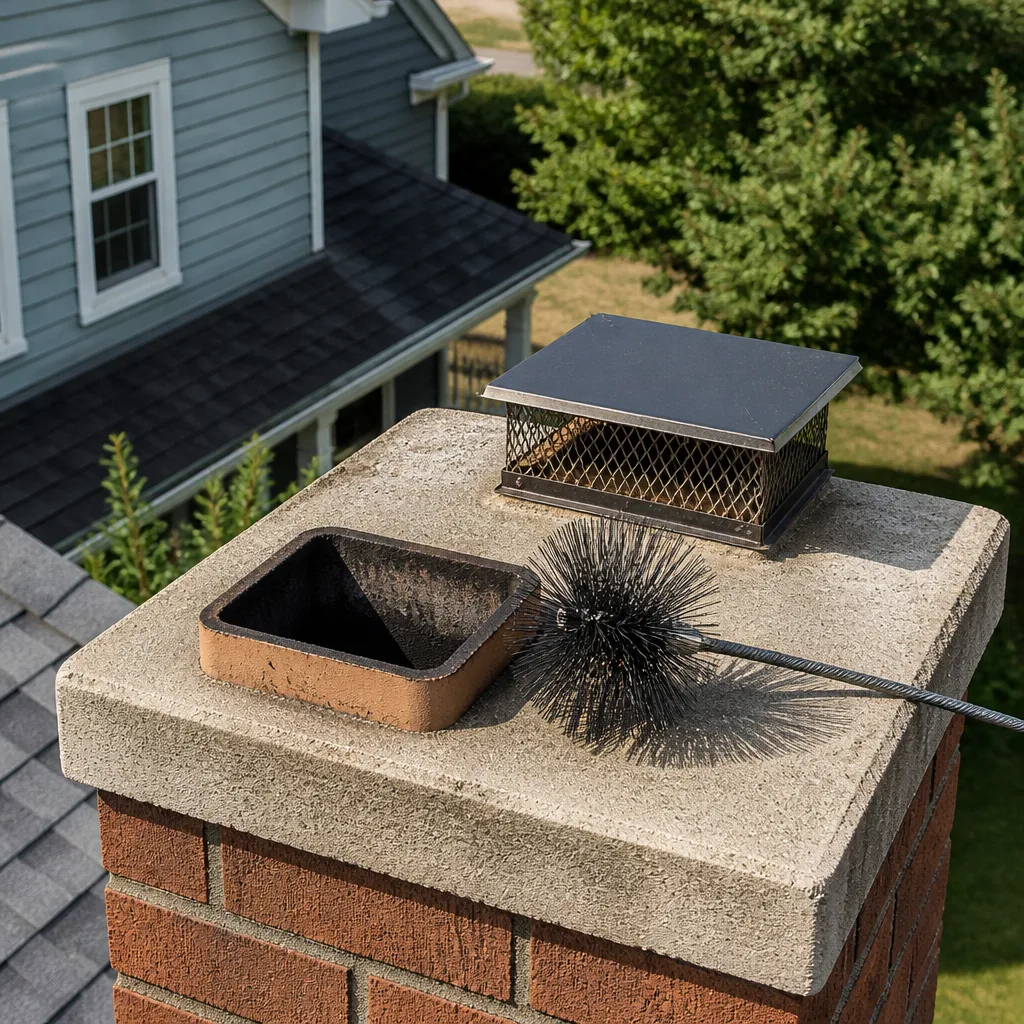 Sweep & inspection
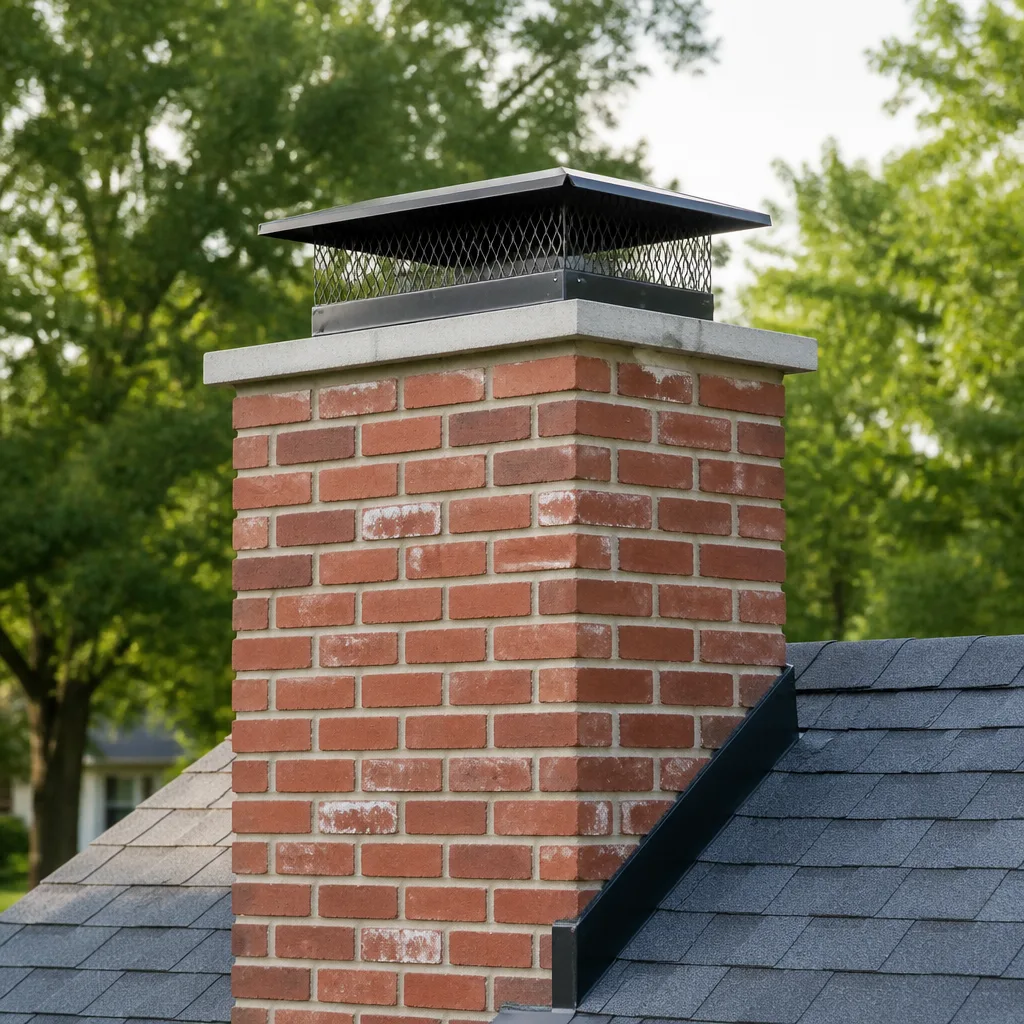 Caps & crowns
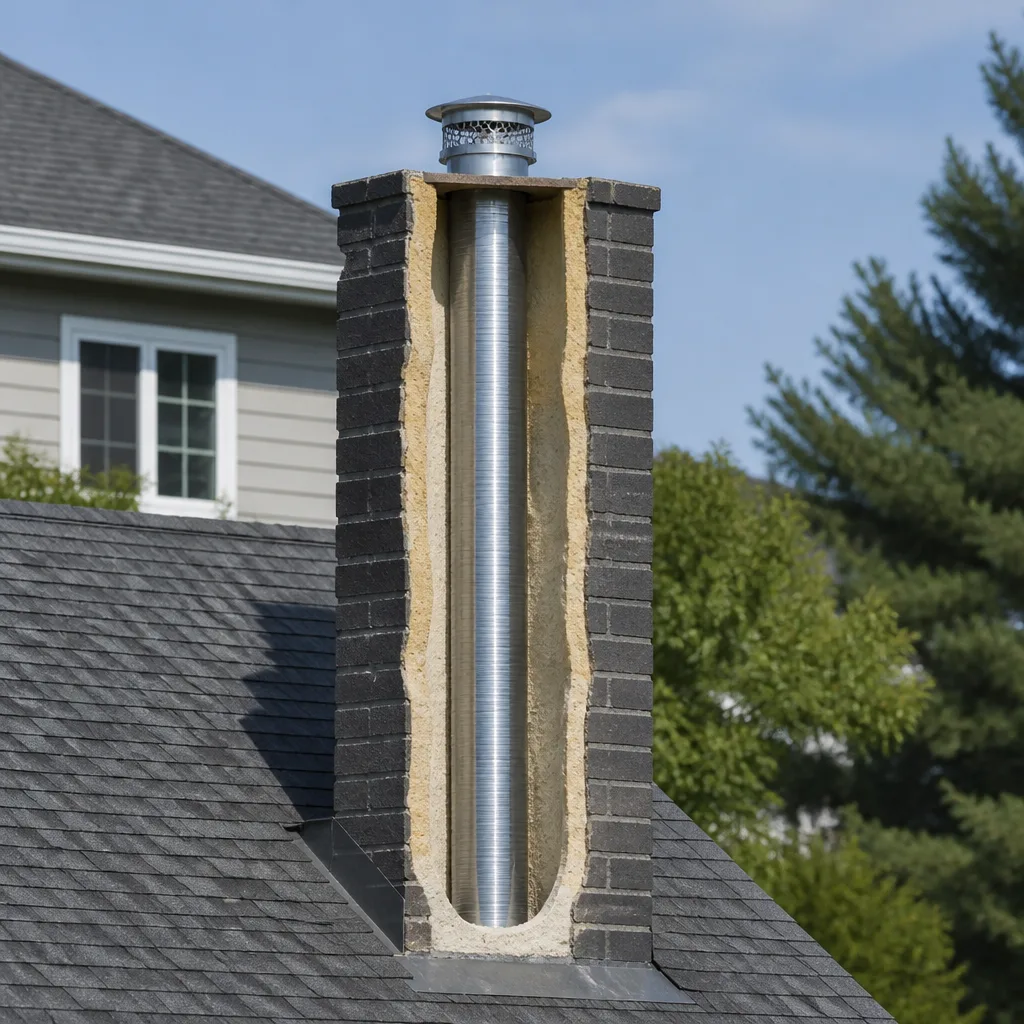 Flue relining
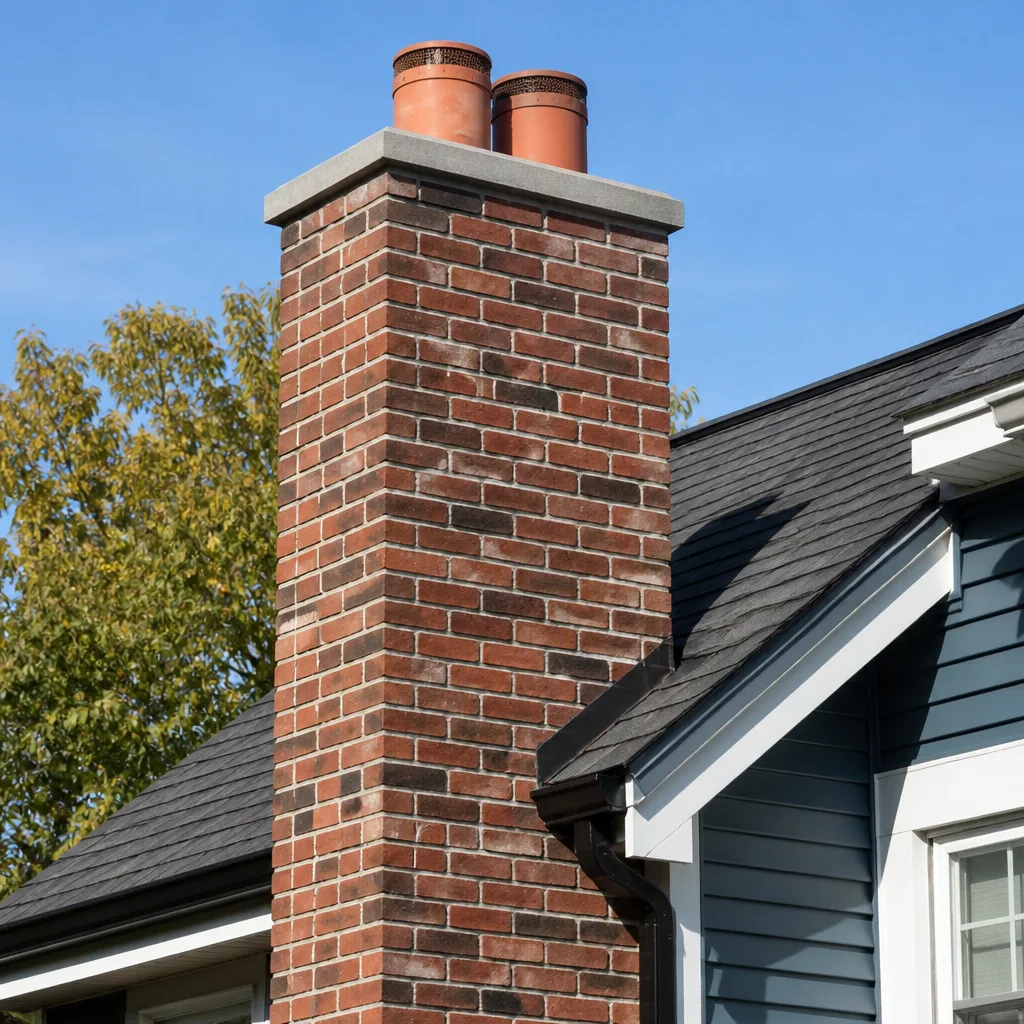 Masonry repair
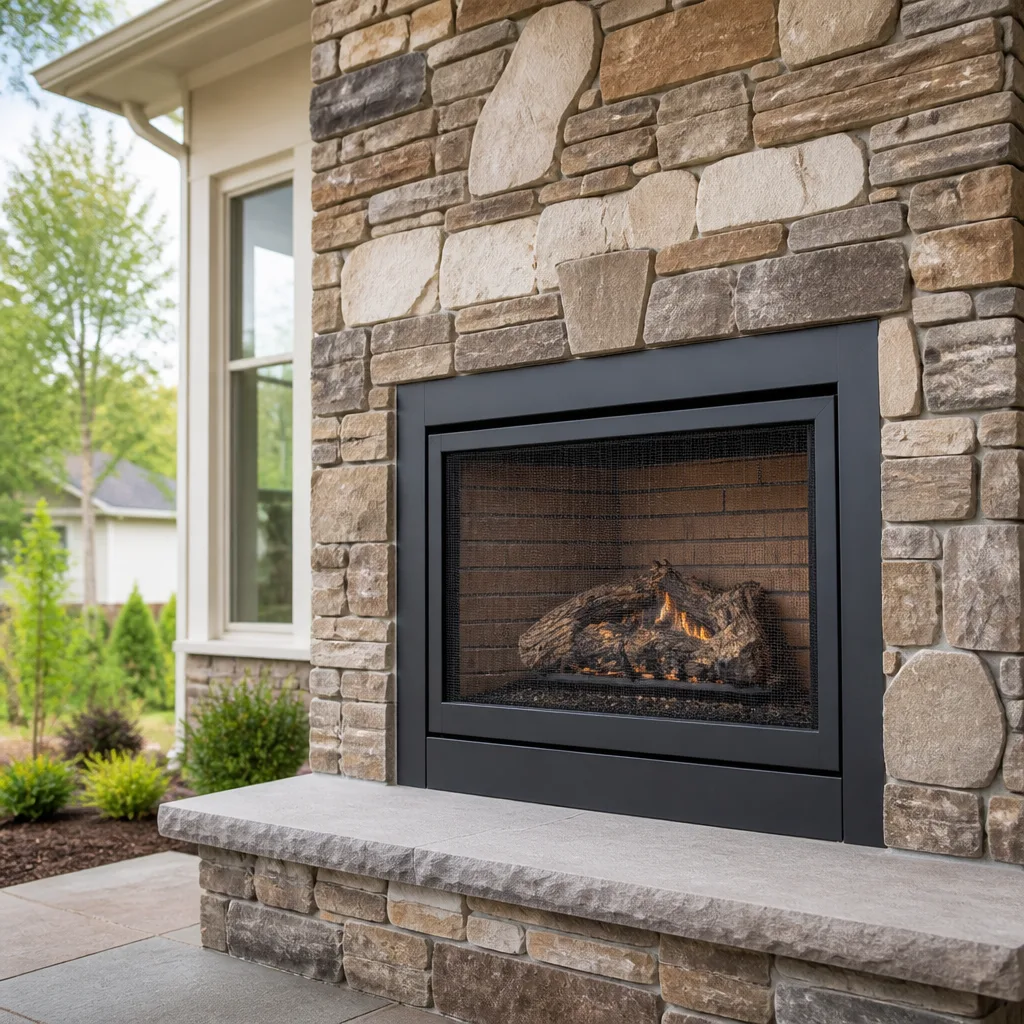 Gas fireplace service
Level 1 sweep and inspection to the NFPA 211 annual standard - flue, crown, cap, and flashing checked and photographed
Chimney sweep logs do not sweep chimneys. They loosen some creosote - which then falls where a brush and vacuum still have to collect it.
Chimney Cleaning Emergency Preparedness Guide for Springville Homes
A chimney fire doesn’t always announce itself with a roar. Sometimes it sounds like nothing at all. The first clue is heat coming off the wall behind the fireplace, or a smell of hot metal that doesn’t fade, and only later does a flue camera show a liner that held together by luck. We’ve learned that Springville homeowners tend to prepare for one kind of chimney problem (the slow buildup they can schedule around) and get caught flat by the other kind: storm damage, animal intrusion, sudden mortar failure. This guide covers both. You’ll learn what to do in the first five minutes of a suspected chimney fire, how to spot wind damage before your next burn, how to handle a raccoon in the flue, and what paperwork you need to make an insurance claim go smoothly in Springville.
Quick Answer
If you suspect a chimney fire in Springville, stop burning, get everyone out of the house, and call 911. Don’t spray water down the flue and don’t relight until a chimney professional has inspected the flue, documented the damage in writing, and certified the chimney safe to use. For everything short of an active fire (storm damage, animals, cracked mortar, smoke backing up), the right move is the same: stop using the fireplace and book an inspection before the next burn. We answer 24/7 at (888) 469-8196, with fast dispatch from 7am to 7pm, Sunday through Friday.
Styles & brands we work with
- Sweep & inspection
- Caps & crowns
- Flue relining
- Masonry repair
- Gas fireplace service
Table of Contents
- What to Do in the First Five Minutes of a Suspected Chimney Fire
- The Two Kinds of Chimney Emergencies (and Why the Difference Matters)
- How to Spot Post-Storm Chimney Damage in Springville
- Animal Intrusion: Raccoons, Squirrels, and the Flue
- What a Sweep Should Document Before You Relight
- Filing an Insurance Claim for Chimney Damage in Utah
- Building a Prevention Schedule for a Springville Home
- The Chimney Emergency Preparedness Checklist
What to Do in the First Five Minutes of a Suspected Chimney Fire
Chimney fires come in two flavors. Some are fast and loud, crackling and popping inside the flue. But slow, smoldering chimney fires are just as common and a lot quieter, which is why they get missed. In our experience, the signs that get ignored most are a sudden rise in heat on the fireplace wall, a pinging or ticking sound from the stovepipe as it expands, and a puff of dark smoke drawn back into the room when you open the damper.
Here’s what to do, in order:
- Stop feeding the fire. Close the fireplace doors or glass doors if you have them. Don’t throw water on it. Water hitting a 1,000-degree firebox can crack the firebrick and warp the damper.
- Get everyone out. Walk, don’t run, but get the whole household outside and account for pets.
- Call 911. Tell the dispatcher you suspect a chimney fire. Even if it’s smoldering, the fire department can check the flue from the roof and confirm the fire is out.
- Don’t relight. Once the fire department clears the scene, the chimney still needs a professional inspection before you burn again.
- Document what you saw. Photos of smoke, heat marks, or any debris around the cap help both the inspector and your insurer.
Response times in Springville vary by neighborhood. A fire crew can usually reach homes near the center of town faster than properties up on the east bench or out toward the fields. That’s one more reason the first two minutes are on you. The earlier you stop burning and get everyone out, the less the flue has to absorb.
One thing we hear a lot: “The fire went out on its own, so we’re fine.” Not necessarily. A chimney fire that self-extinguishes can still leave cracked flue tiles or a warped liner that lets carbon monoxide leak into the house on the next burn. We inspect before we recommend anything, and we’ll tell you plainly if the flue is sound or if it needs chimney repair before you light another fire.
The Two Kinds of Chimney Emergencies (and Why the Difference Matters)
Most chimney advice treats every problem the same way, which is why homeowners get confused. In our experience, there are really two categories, and they call for very different responses.
Category 1: The Preventable Kind
These are the failures that build up over a season or two of burning. Creosote deposits, cracked mortar joints, a rusted cap, missing crown flashing. None of them happen overnight, and all of them are caught by an annual inspection. A chimney sweep removes the creosote, and the inspection that comes with it flags the small repairs before they get expensive. The NFPA recommends an annual chimney inspection, and for homes that burn wood regularly through the winter, that’s not an upsell. It’s the baseline.
Category 2: The Kind That Happens Anyway
Some chimney problems don’t care how good your maintenance has been. High-wind events along the Wasatch Front knock caps loose and crack crowns. Raccoons and squirrels find their way into flues. A freeze-thaw cycle in late winter can split a masonry crown that was perfectly sound in the fall. These are the emergencies most homeowners don’t know how to handle, not because they ignored the chimney, but because they never had a plan for the sudden version.
The practical difference is timing. Category 1 problems you schedule. Category 2 problems you react to, and the first hour matters. That’s why we put together this guide for Springville homes specifically. It’s the reaction side that catches people, not the scheduled side.
How to Spot Post-Storm Chimney Damage in Springville
Springville sits in a wind corridor. The same storms that drop snow on the mountains above town can push 50-60 mph gusts through the valley, and high winds do more chimney damage than most people realize. After a strong storm, walk outside and look at your chimney before you build the next fire. You don’t need to climb anything. Here’s what to check from the ground:
- The cap. Is it still on straight, or is it tilted, missing, or sitting loose? A blown-off cap means rain, snow, and animals go straight down the flue.
- The crown. The concrete or mortar crown at the top of the chimney should be intact and slope away from the flue. Visible cracks, chunks missing, or a crown that looks like it’s crumbling all point to storm or freeze-thaw damage.
- Mortar joints on the stack. Look for missing mortar or bricks that have shifted. Even a small gap is an entry point for water.
- Debris in the firebox. Open the damper and shine a light up the flue. If you see nesting material, leaves, or chunks of mortar, stop and call before lighting.
- Ceiling or wall stains. Any brown or yellow staining on the wall behind or above the fireplace means water is getting in, which usually traces back to a failed crown or cap.
If you find any of these, don’t light a fire until a professional inspects the chimney. A loose cap or cracked crown lets water into the masonry, and water in masonry means a slow cycle of freeze, thaw, and deterioration that gets worse every winter. This is exactly where cap and crown work pays for itself: new chimney repair on those two components prevents the most common sources of water intrusion we see. We install caps and crowns using Gelco and Famco components, which are built for the freeze-thaw cycle this region throws at them.
Animal Intrusion: Raccoons, Squirrels, and the Flue
Springville’s mix of mature trees, open fields, and the foothills right at the edge of town makes it prime territory for raccoons and squirrels. A chimney looks like a nice, warm, dry den to a determined animal, especially in the colder months. When that happens, the homeowner usually hears scratching, chirping, or the occasional thump from inside the flue.
Here’s the correct sequence:
- Don’t build a fire. Tempting, but smoke can kill or injure an animal trapped in the flue, and a panicked animal can damage the liner trying to escape. You also risk a flue blockage that sends smoke back into the house.
- Don’t try to flush it out. Poking with a broom handle, dropping water, or burning a smoky fire usually makes the animal wedge tighter or climb higher, where it can get stuck and die.
- Open the damper slowly. If the animal is above the damper, it may find its way out if the firebox door is open and the room is quiet. Close the door to the rest of the house first.
- Call for professional removal. A chimney professional can remove the animal without damaging the flue, then inspect the liner for damage and disinfect the firebox.
- Install a proper cap. A cap with a screen is the permanent fix. It keeps animals out, keeps rain and snow out, and lets smoke out.
When an animal gets into a flue, the liner is the part that suffers. Raccoon claws and a panicked animal’s thrashing can tear a flexible liner or crack flue tiles. If the flue has a damaged liner, carbon monoxide can leak through the crack on the next burn. We install DuraFlex flexible liner systems to reline flues where the old liner has been compromised, and we’ll inspect the full flue before we make a recommendation. A damaged liner is not something to patch and hope on.
What a Sweep Should Document Before You Relight
After any chimney emergency, you’ll want more than a verbal “you’re good to go.” A professional chimney inspection should be documented in writing, with photos you can keep. Here’s what the report should include:
- Level of inspection performed. Chimney inspections run from a basic visual check to a full camera inspection. After an emergency, you want the camera version.
- Condition of the flue liner. Photos of the full length of the flue, with any cracks, tears, or gaps noted and marked.
- Condition of the cap and crown. Both of these are photographed and noted as intact, damaged, or missing.
- Condition of the firebox and damper. Any warping, cracking, or debris noted.
- Presence of creosote and its stage. Stage 1, 2, or 3 creosote deposits documented with photos, because stage 3 creosote is the kind most associated with chimney fires.
- Pass or fail certification. A clear written statement that the chimney is safe to use, or a list of what needs to be corrected before it is.
We include a camera inspection and a photo report with every sweep, because the number one thing homeowners tell us they’re afraid of is being told they need thousands of dollars of work they can’t verify. Here’s how we handle that: nothing is recommended without camera evidence you can see for yourself, and we say plainly when work can safely wait. If your liner is sound, we’ll tell you. If it needs relining, you’ll see exactly why.
Filing an Insurance Claim for Chimney Damage in Utah
Most homeowners policies in Utah cover sudden, accidental damage from a chimney fire or storm event, but not the gradual deterioration that shows up over time. That distinction is the whole ballgame, and it’s why documentation matters so much. Insurers want proof that the loss happened at a specific point, not that a chimney simply wore out. Here’s the straightforward process:
- Call your insurer promptly. Report the damage as soon as you can, then ask the adjuster what documentation they need from a chimney professional.
- Get a written inspection report. This should include photos, a description of the damage, and a professional opinion on the cause. “Chimney fire, flue liner damage” or “wind damage, cap and crown loss” are the kinds of phrases an adjuster recognizes.
- Get a written repair estimate. A line-item estimate that separates inspection, chimney sweeping, and repair costs goes a long way with an adjuster.
- Don’t do the repairs before the insurer sees the estimate. You can prevent further damage (tarping a missing cap, for example), but hold off on the actual repair until you have a green light.
- Keep every photo and document. It’s much easier to hand the adjuster a single PDF with everything in it than to dig through a phone months later.
If you want us to work with your insurer, call and let us know. We can provide a documented inspection, photo evidence, and a written estimate formatted for an adjuster’s review. We don’t tell you which contractor your insurer will reimburse, but we can make sure the paperwork trail is solid.
One more thing about insurance: preventative work like a new cap or crown fix is not usually covered, but it’s a lot cheaper than a storm-damage claim. If your current cap is more than 15 years old and looking rough, replacing it before the next wind event is the cheaper bet.
Building a Prevention Schedule for a Springville Home
The best emergency plan is not having emergencies, and the good news is that chimney maintenance follows a predictable calendar. Springville’s burn season usually runs from late fall into early spring, which means the year divides into four phases:
- Late summer / early fall. Book an annual sweep and inspection before the first burn. This is when we’re busy, so earlier is better.
- Mid-winter. If you burn heavily (wood fires most evenings), check the firebox for creosote buildup and look at the cap from the ground after storms. Note any changes in how the fire draws.
- Early spring. After the last fire, book a sweep. Off-season appointments are easier to get and give a repair any time it needs to cure before the next season.
- After any wind event or animal incident. Immediate inspection, no exceptions, before the next burn.
The one number worth knowing: if you burn wood regularly, once a year is the standard. If you burn consistently and heavily, twice a year is common, especially if you see buildup or if the flue doesn’t have a clean liner. Gas and pellet fireplaces follow the same annual inspection schedule, even though the creosote picture is different.
Full chimney lifecycle coverage makes this simpler. Cleaning, inspection, fireplace repair, chimney repair, cap and crown work, all from one team. If the firebox needs resurfacing, we apply HeatShield flue resurfacing, which restores deteriorated flue tiles without tearing the chimney down to the framing. That kind of repair is beyond what a sweep-only service can do, and it means you don’t need to coordinate three contractors every time something is flagged on the inspection.
The Chimney Emergency Preparedness Checklist
Most homes in Springville have a fire extinguisher in the kitchen. Very few have a chimney-specific plan. Here’s what to prepare before you need it.
- Know where your damper controls are. Both the damper in the firebox and any outside air control. If a fire happens, you need to be able to close them fast.
- A charged ABC fire extinguisher near the fireplace. Not for use on the fire itself, but for any sparks or embers that reach the hearth or carpet.
- The chimney professional’s number saved in your phone. Save ours: (888) 469-8196. We answer 24/7. Fast dispatch from 7am to 7pm, Sunday through Friday.
- A camera and a notebook. If a fire, storm, or animal incident happens, a few photos of the chimney from outside and the firebox from inside will help both the inspector and the insurer.
- A written record of your last sweep. When it was done, who did it, and what the inspection report said. Adjusters value continuity.
- A cap with a screen on every flue. If it isn’t already there, this is the single highest-value prep step for storm, animal, and water damage.
- A plan for the animals. If you hear scratching in the flue, call a professional rather than trying to handle the animal yourself. Flue damage from a panicked raccoon is a common cause of an expensive reline.
Common Mistakes to Avoid
- Lighting a fire after a storm without checking the cap. A cap that’s blown loose or off can drop a chunk of metal, bird’s nest, or mortar into the flue. Light a fire and you push smoke into the room, or worse, ignite packing material.
- Burning wet or green wood because the flue “looks clean.” Wet wood is the fastest way to build up creosote, even if the flue was swept recently. Seasoned wood, split and stored dry, is what keeps the liner protected.
- Trying to smoke an animal out of the chimney. This is the classic mistake. It can kill the animal, damage the flue, and fill the house with smoke. Let a professional remove it and inspect for damage.
- Ignoring a cracked firebox because the fire still burns. A crack in the firebox or firebrick lets heat and carbon monoxide bypass the flue. It’s the kind of thing that gets flagged on inspection and ignored by homeowners because the fire “works fine.”
- Waiting until the first cold snap to book a sweep. Springville is a small town and chimney sweeps book up fast in the fall. Book in late summer and you’ll get the slot you want rather than whoever has an opening.
- Assuming insurance will cover everything. Policies cover sudden damage and exclude gradual deterioration. Documenting what happened, and having a professional report, is what separates a covered claim from a denial.
- Hiring a generalist. A handyman who sweeps chimneys on the side doesn’t carry the same tools or training. Chimney-only specialization means the person on your roof knows flue liners, firebox construction, and cap and crown work in depth.
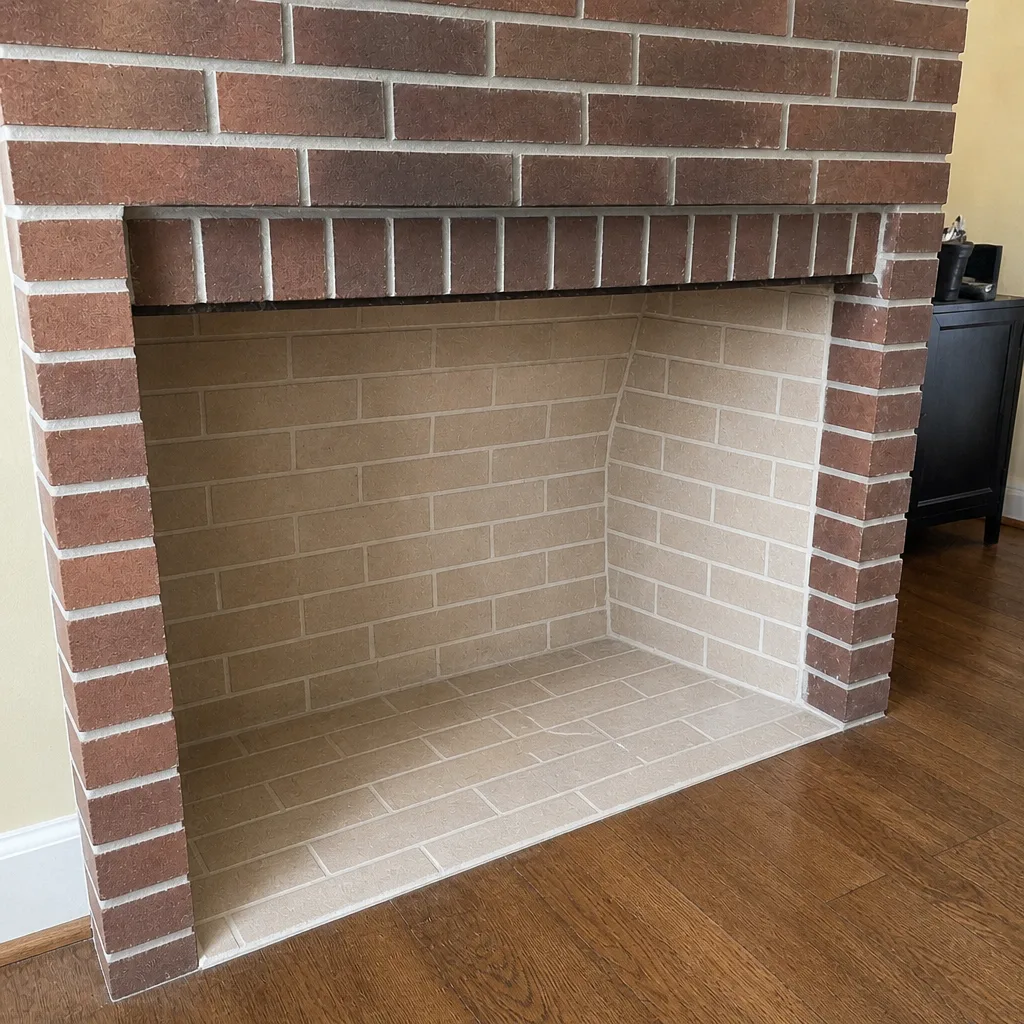
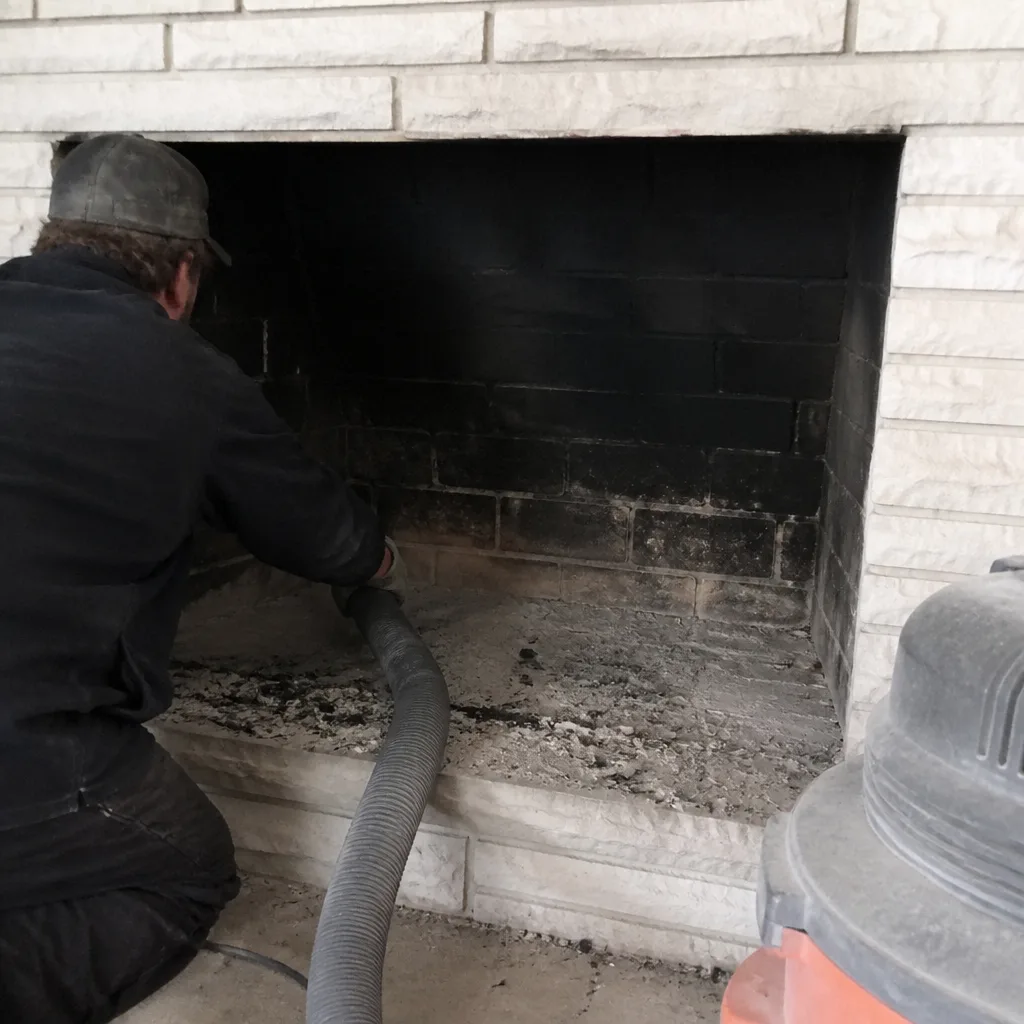
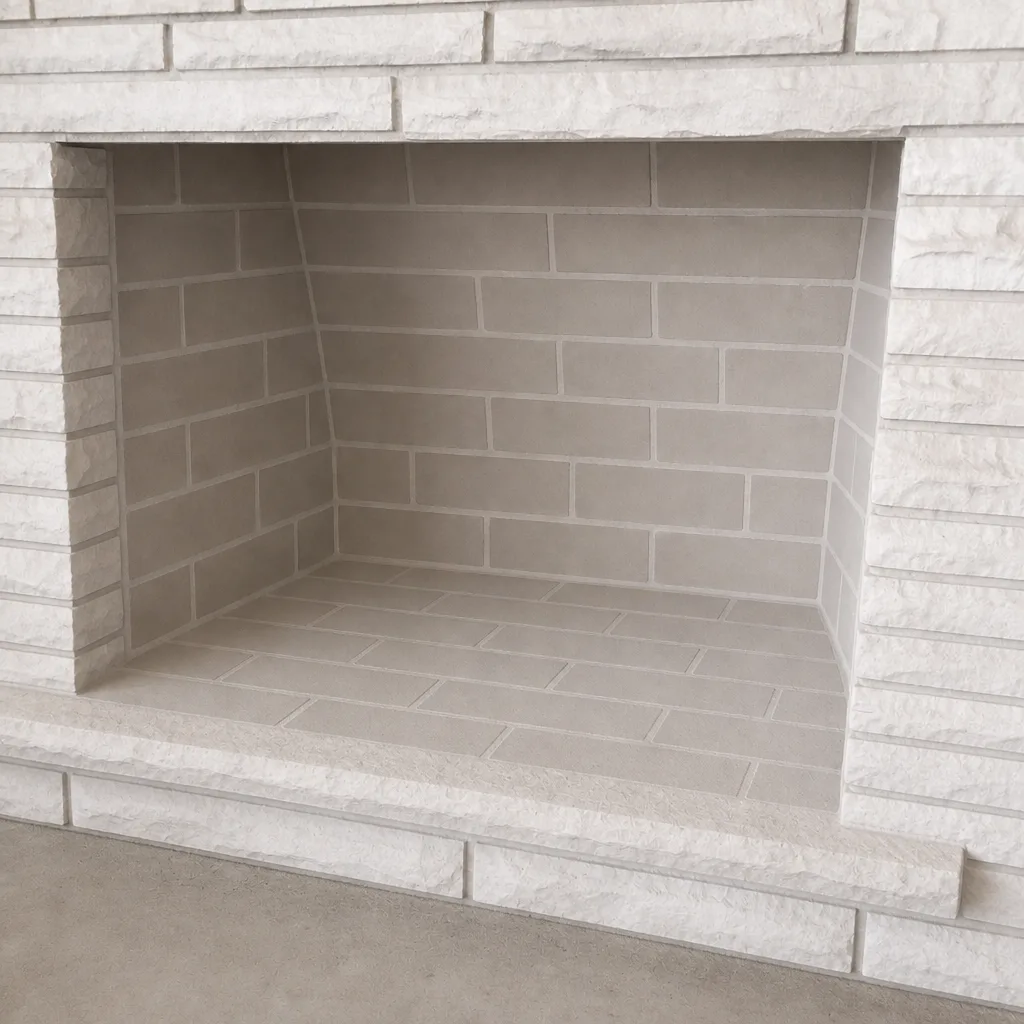
See the difference
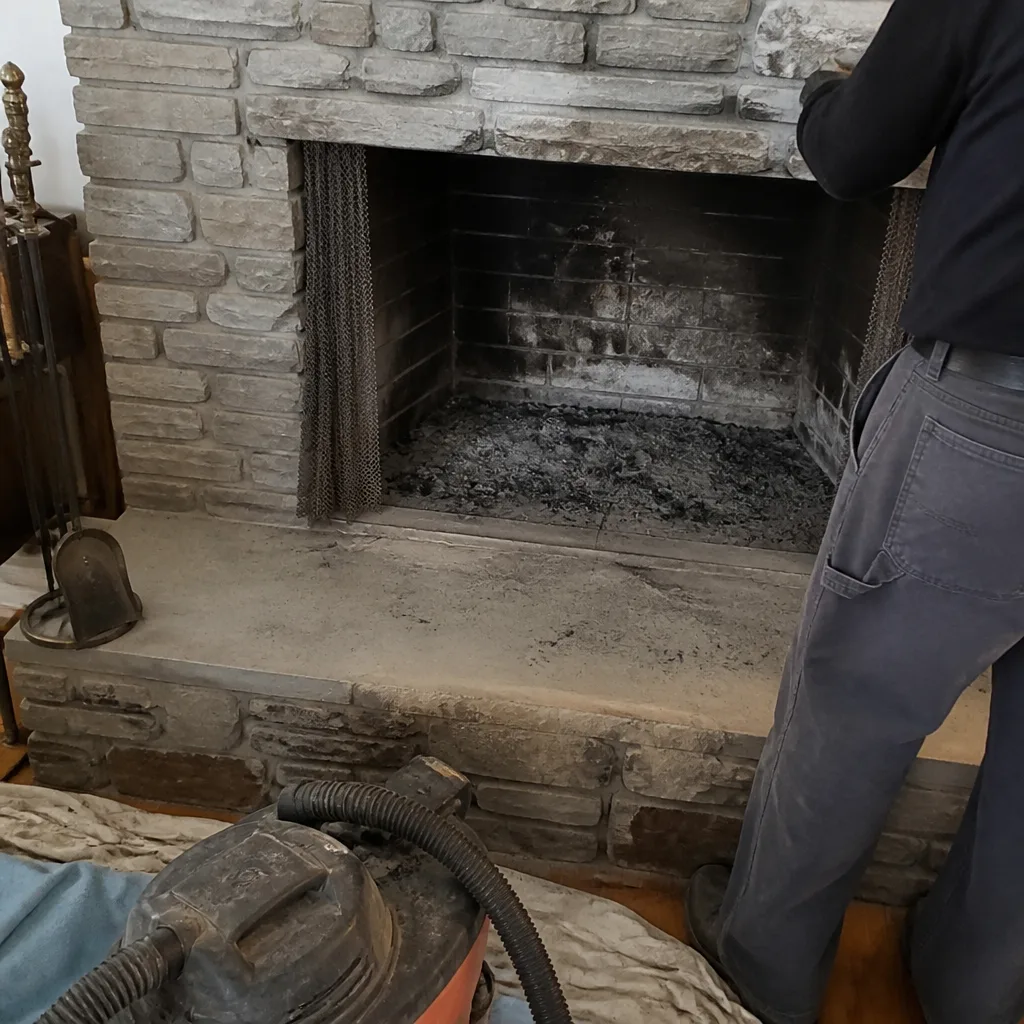 Before
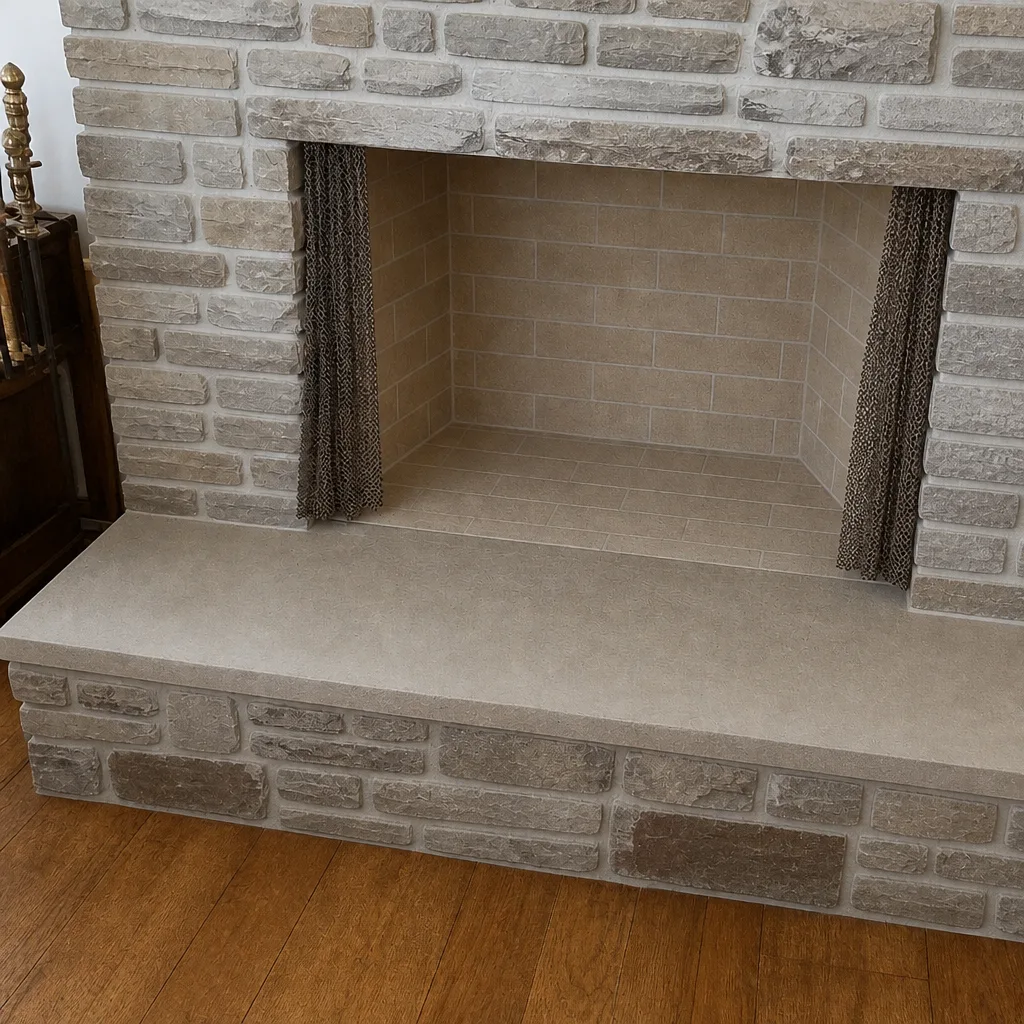 After
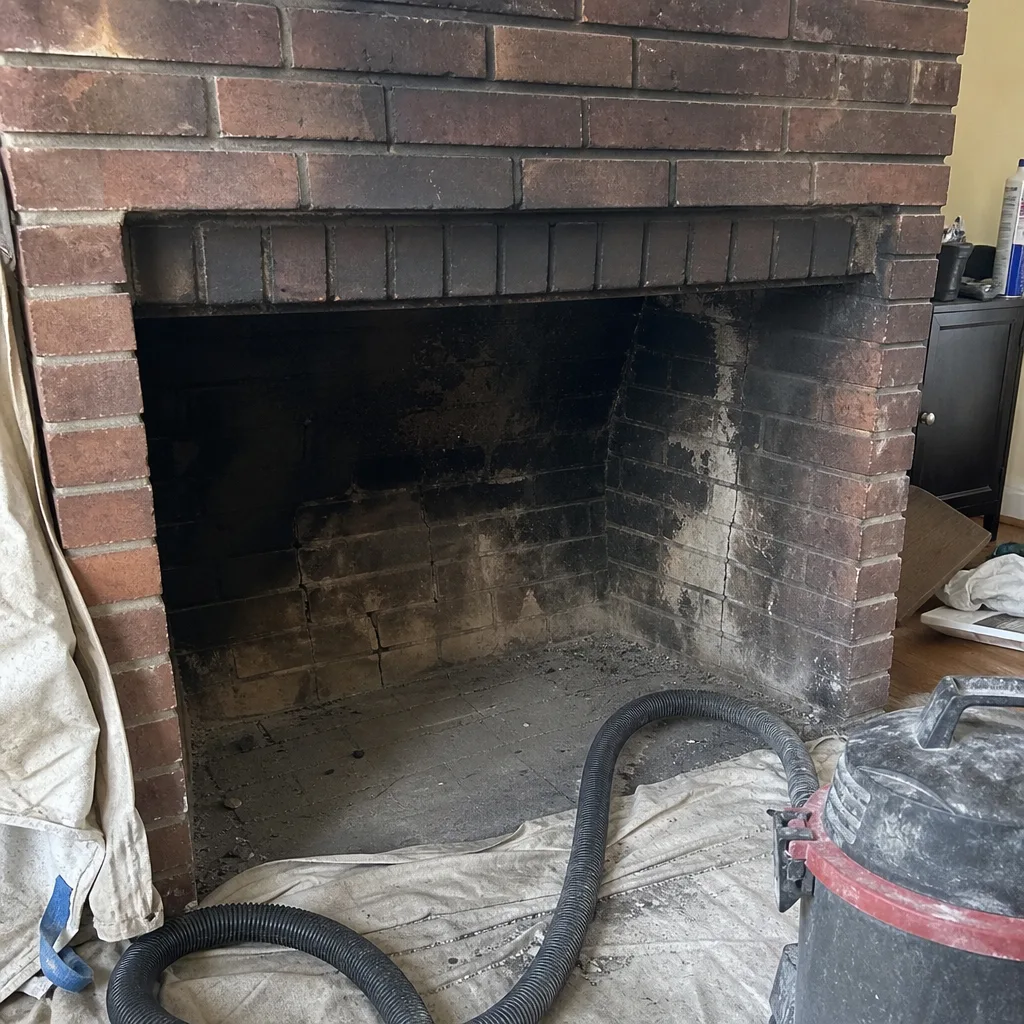 Before
 After
 Before
 After
When to Call a Professional
Some chimney problems call for a phone call today rather than a scheduled appointment. Call us if: you suspect a chimney fire (even a small one), your fireplace smells strongly of creosote or hot metal, you hear an animal in the flue, smoke backs into the room when you open the damper, you see soot or water stains on the wall or ceiling near the fireplace, your cap is missing or damaged, or your chimney mover shifted in a windstorm. If you’re not sure whether it’s a “today” problem or a “next week” problem, call and ask. We’ll tell you the honest answer.
Chimney Sweep Springville offers free estimates in Springville. Call (888) 469-8196. We answer 24/7. Fast dispatch from 7am to 7pm, Sunday through Friday.
Frequently Asked Questions
Stop burning, get everyone out of the house, and call 911. Close the damper and fireplace doors if you can do so safely on the way out, but don’t stop to put the fire out yourself. After the fire department clears the scene, book a professional inspection before relighting. Call (888) 469-8196 for an inspection quote, or to talk through next steps if you’re not sure whether it was a chimney fire at all. Estimates are free.
Once a year is the standard for most homes, and that matches the NFPA recommendation of an annual inspection. Heavy wood burners are often swept twice a year, especially if the flue shows noticeable creosote buildup. Gas and pellet fireplaces follow the same annual schedule. Call (888) 469-8196 to book a sweep, and we’ll help you decide based on how much you actually burn.
Yes, as soon as you can get someone out to look at it. A missing cap lets rain, snow, and animals straight into the flue, and water in the masonry is one of the most common causes of long-term damage. Until it’s replaced, don’t burn. Call (888) 469-8196; we can install a replacement cap using Gelco or Famco components built for this climate. Estimates are free.
Yes, this is common in Springville. Don’t try to smoke it out or flush it out with water. A professional can remove the animal without damaging the flue, then inspect the liner for claw damage or cracking. A damaged liner needs repair before the next burn, because a crack lets carbon monoxide into the house. Call (888) 469-8196 for a removal and inspection quote.
Depends on the damage. Small cracks and surface deterioration can sometimes be restored with HeatShield flue resurfacing, which rebuilds the interior of the flue without tearing the chimney down. Larger damage usually calls for relining with a DuraFlex flexible liner system. We inspect before we recommend, and you’ll see the camera photos yourself before anything gets booked. Call (888) 469-8196 for an inspection estimate.
Creosote builds up in the flue, and the more it builds, the higher the fire risk and the harder it is to remove. In Springville’s cold winters, when fires burn hot and often, those deposits accumulate faster. The bigger risk is missing the small repairs that get caught each year; a cracked crown or damaged cap can go two or three winters without a check. Call (888) 469-8196 to book a sweep; estimates are free.
The Bottom Line
Most chimney emergencies in Springville fall into one of two categories. The preventable ones (creosote, worn caps, cracked mortar) get caught by an annual sweep and inspection, and those are the ones you can actually schedule around. The unavoidable ones (wind damage, animal intrusion, sudden structural failure) need a different plan: know the first five minutes, know what to check after a storm, and get a documented inspection before relighting. Buy a cap if you don’t have one. Save our number in your phone. And if you’re not sure whether something is safe to burn in, don’t guess; call and ask. Every estimate is free, and a documented inspection gives you a lot more peace of mind than a verbal “should be fine.”
Call (888) 469-8196 to schedule a chimney sweep or inspection in Springville, or to talk through a post-storm issue. Estimates are free, and we’ll tell you honestly what needs doing now and what can safely wait.
Written by the team at Chimney Sweep Springville.