
Last updated November 23, 2026
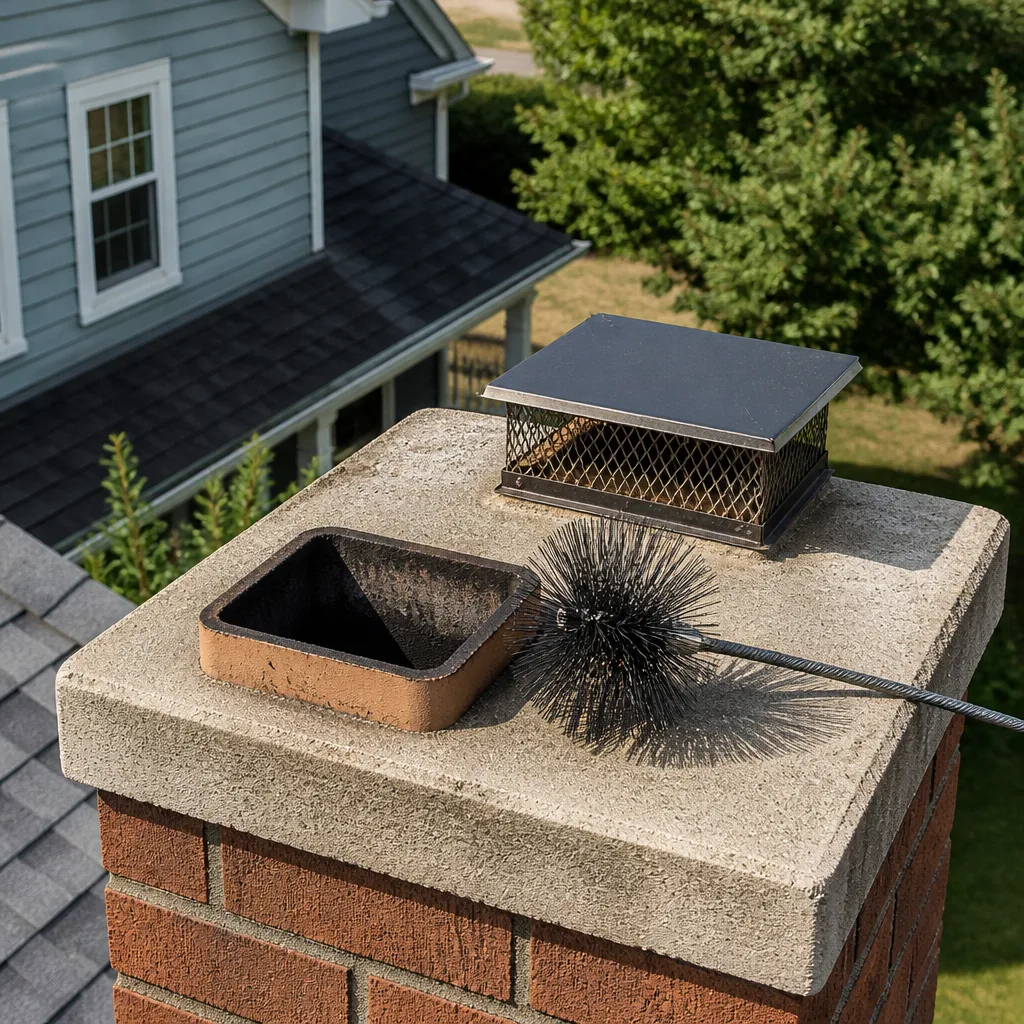 Sweep & inspection
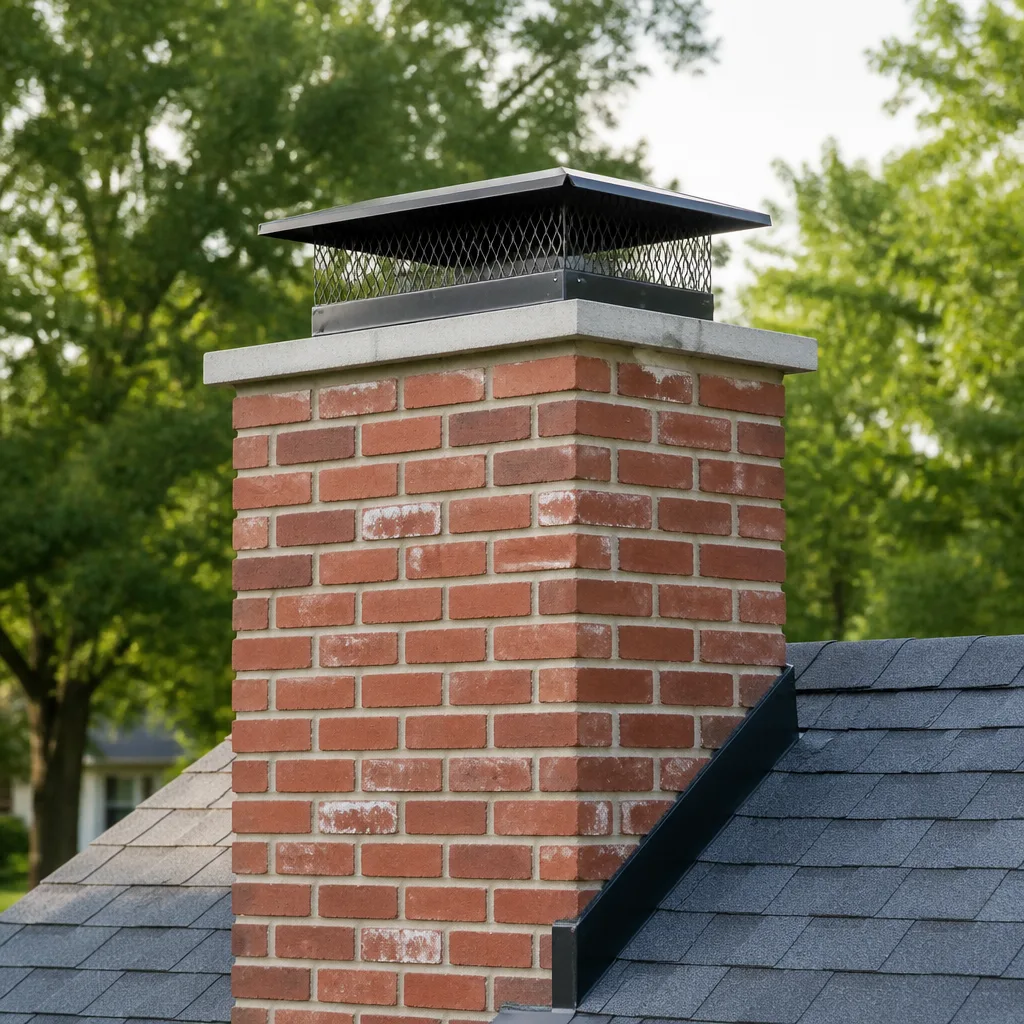 Caps & crowns
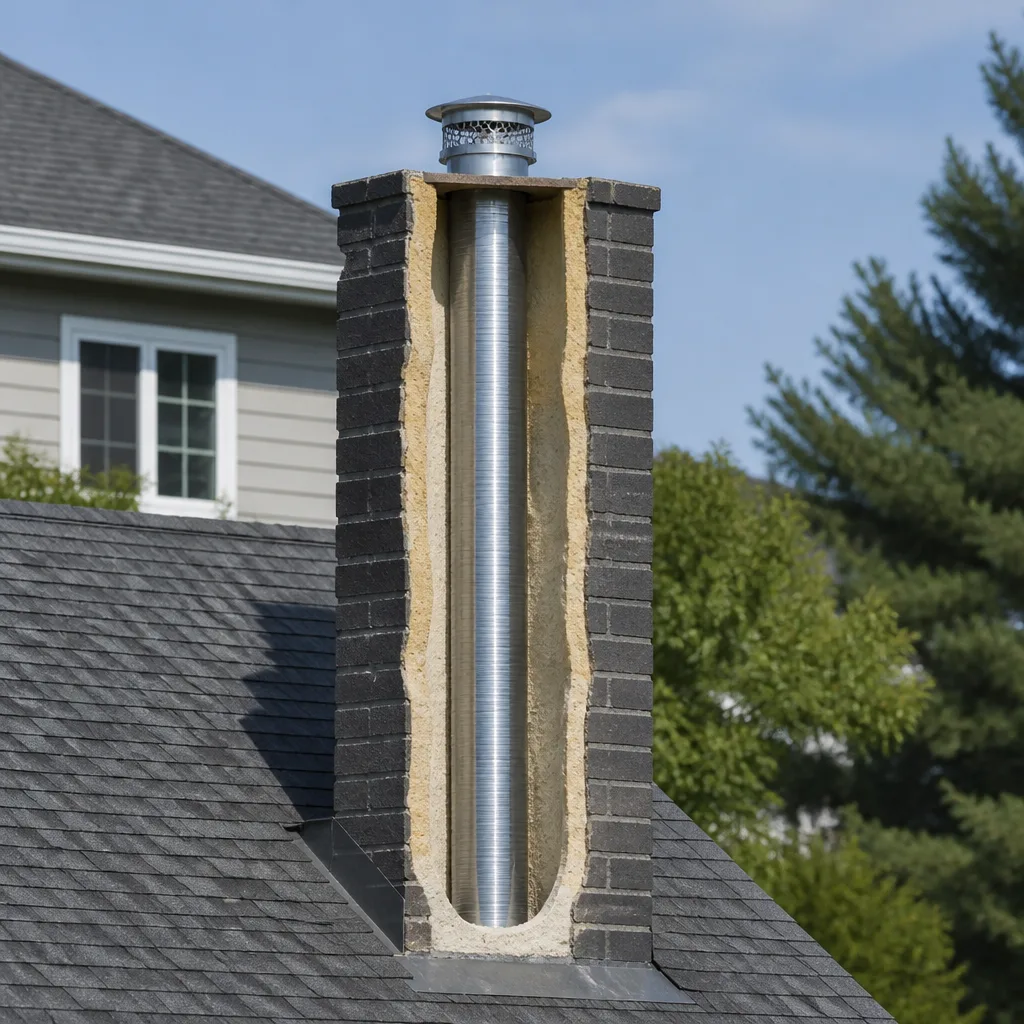 Flue relining
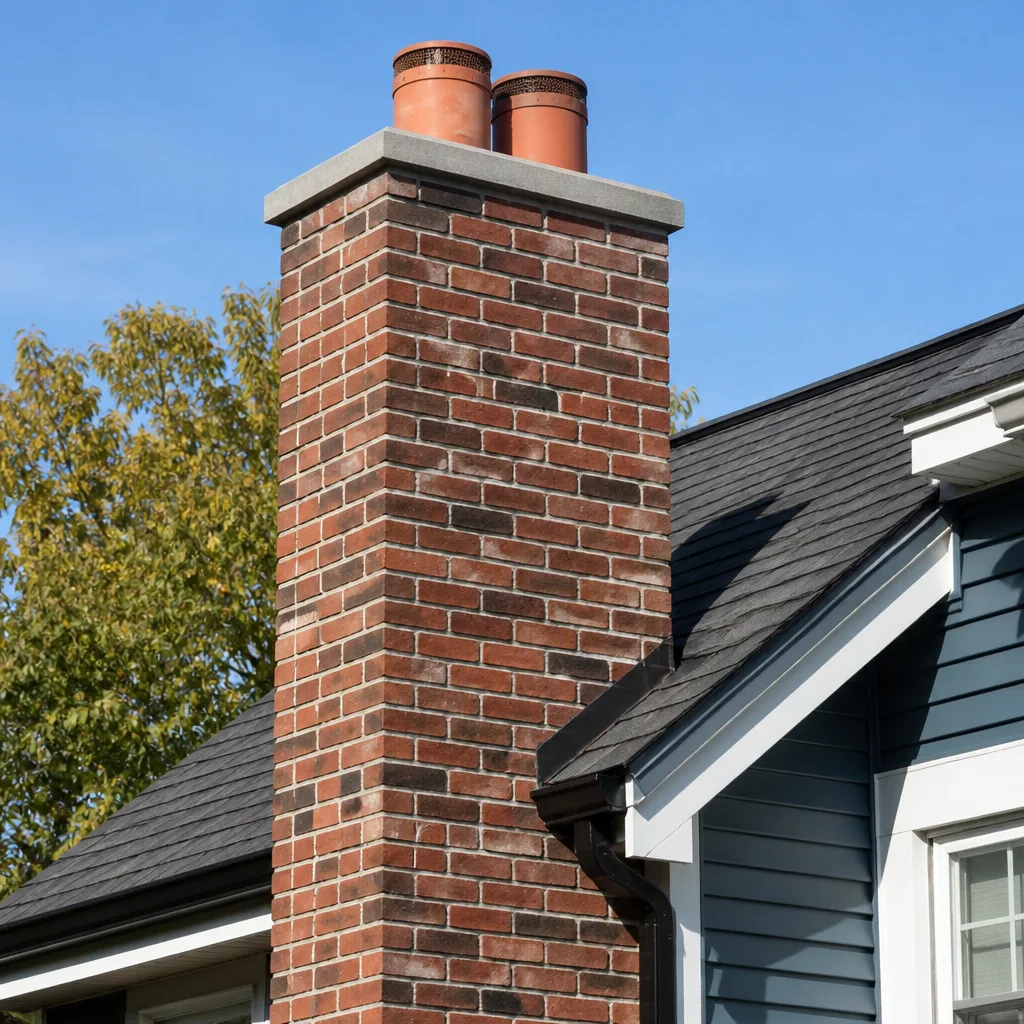 Masonry repair
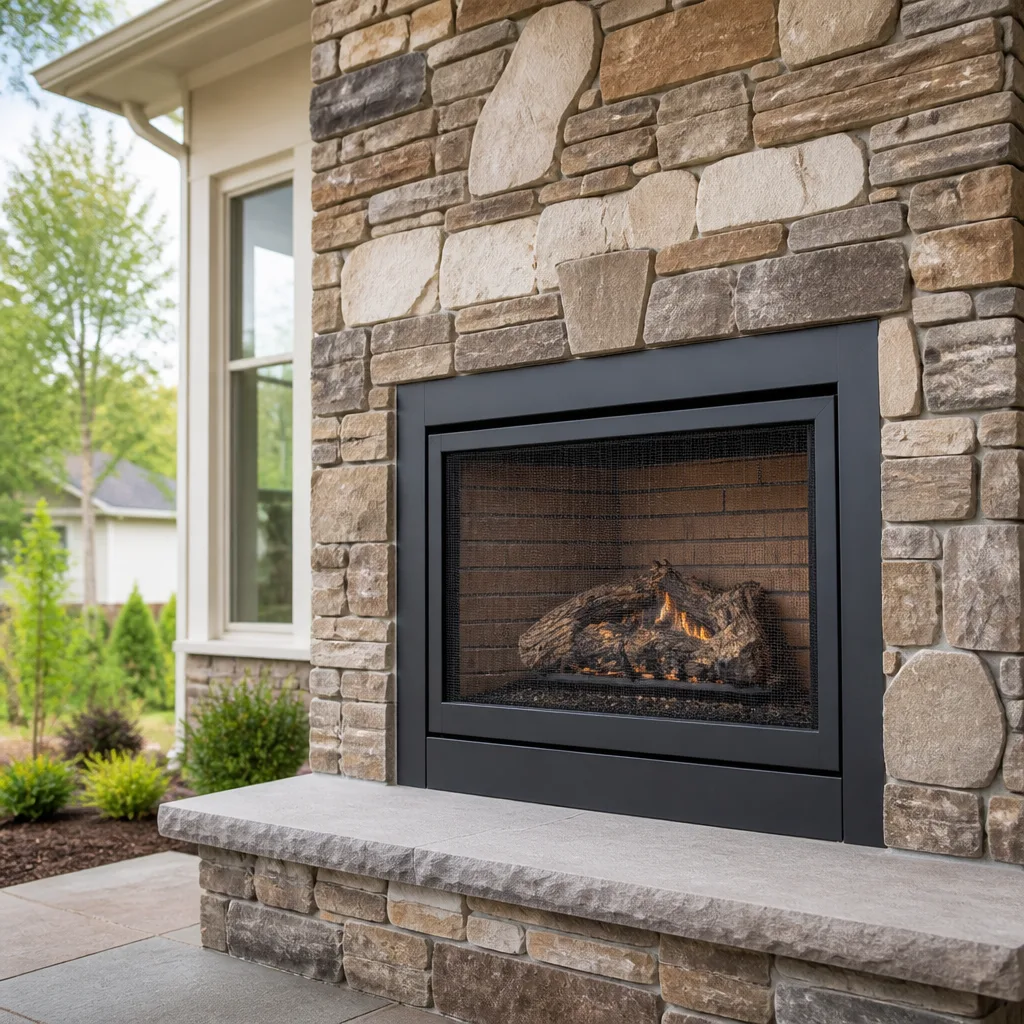 Gas fireplace service
Level 1 sweep and inspection to the NFPA 211 annual standard - flue, crown, cap, and flashing checked and photographed
Chimney sweep logs do not sweep chimneys. They loosen some creosote - which then falls where a brush and vacuum still have to collect it.
Chimney Cleaning Permits, Codes & Inspections in Springville, UT: What You Need to Know
Here’s the part that surprises most homeowners: the cleaning itself almost never needs a permit. The repair that the cleaning uncovers often does. In Springville, that line gets crossed quietly, usually somewhere between “we should resurface this flue” and “we need to replace the liner,” and nobody mentions the building department until the work is already underway. A liner swap done without a permit leaves a documentation gap that can surface years later during a buyer’s home inspection, at the worst possible moment. This guide maps where Utah code, Springville City’s building department, and NFPA 211 standards meet, and how to verify that any chimney work on your home was permitted and closed out properly.
Quick Answer
Routine chimney cleaning in Springville, UT does not require a permit, because sweeping is classified as maintenance rather than alteration or repair. Structural work, liner replacement, flue relining, and chimney reconstruction generally do require a building permit through Springville City, and the work should be inspected before it’s covered or closed out. Every chimney should also get a Level 1 inspection during each annual cleaning, and a Level 2 inspection before a home sale or after a chimney fire, per NFPA 211.
Styles & brands we work with
- Sweep & inspection
- Caps & crowns
- Flue relining
- Masonry repair
- Gas fireplace service
Table of Contents
- Maintenance vs. Alteration: Where Utah Code Draws the Line
- How Springville City Handles Chimney Permits
- NFPA 211 and How It Intersects With Utah Code
- What a Code-Compliant Inspection Report Should Document
- Why Permit Records Matter When You Sell a Springville Home
- How to Verify a Contractor Pulled and Closed a Permit
- What Springville’s Climate and Housing Stock Mean for Your Chimney
- Typical Permit Timelines and What to Expect
Maintenance vs. Alteration: Where Utah Code Draws the Line
The Utah Residential Code treats chimney sweeping as maintenance. That means cleaning the flue, removing creosote and soot, checking the firebox, and inspecting the visible portions of the chimney don’t require a building permit, and they never have. Homeowners in Springville can book a chimney sweep without touching the permitting process at all.
The classification changes the moment the work touches the structure of the chimney or the flue system itself. Under the code, these are alterations or repairs, and they generally require a permit:
- Replacing a clay tile liner or installing a stainless steel liner system
- Relining a flue with a cast-in-place or resurfacing product
- Rebuilding the chimney above the roofline
- Removing or altering any portion of the chimney structure
- Adding a new chimney or flue for a new appliance
- Changing the flue’s venting category or appliance connection
A chimney cap or crown replacement usually sits in a gray zone. A simple cap swap is maintenance; a crown rebuild that involves new masonry or structural repair is closer to alteration. When we’re not sure, we tell the homeowner to ask the building department directly, because the answer depends on the scope of the job, not the label on the invoice.
The practical outcome: a cleaning is maintenance, and it’s the diagnostic step that tells you whether you’re crossing into alteration territory. That’s why we inspect before we recommend. What starts as a routine sweep and ends as liner work is not a surprise upsell. It’s a finding, and it changes the permitting picture entirely.
How Springville City Handles Chimney Permits
Springville City’s building department issues permits for chimney alterations and repairs the same way it does for other residential structural work. The application process typically involves the scope of work, a description of the materials being installed, and often the manufacturer’s installation instructions for the liner or resurfacing system being used. Chimney work is not exempt from the city’s permitting requirements just because it happens on an existing house.
Here’s the part most homeowners haven’t been told: the permit is not the end of the process. A permitted chimney job usually requires an inspection before the work is closed out. For a liner installation, that typically means the inspector sees the installation before the flue is put back into service. For reconstruction work, it can mean more than one inspection at different stages. The final step is the closeout, which is what actually documents that the work was inspected and signed off.
Two things follow from that:
- The permit record is the proof. A permit that was pulled and closed is a public record showing the work was inspected. A permit that was pulled and never closed is a loose end that shows up in a title search or a buyer’s inspection.
- Springville jobs don’t all look alike. A home near the older parts of town with a masonry chimney is a different permitting conversation than a newer build with a factory-built fireplace. The city evaluates the scope, not the neighborhood.
If you’re planning a liner replacement or a chimney rebuild in Springville, ask the contractor three questions before work starts: Will you pull a permit? Who schedules the inspection? Will you give me the closeout documentation when it’s done? A contractor who can’t answer those clearly is telling you something.
NFPA 211 and How It Intersects With Utah Code
NFPA 211 is the national standard for chimneys, fireplaces, vents, and solid fuel-burning appliances. It sets the baseline for how a chimney should be constructed, maintained, and inspected, and it defines the three inspection levels that chimney professionals use. Utah code and Springville permitting requirements don’t replace NFPA 211. They sit on top of it, and the standard is what a chimney technician is actually trained against.
The three inspection levels matter because they answer different questions:
- Level 1: A visual inspection of the accessible portions of the chimney and connected appliance, done during routine annual service and cleaning. It’s the baseline check for a chimney that’s been in continuous use with no changes and no known problems.
- Level 2: A more thorough inspection that includes the accessible attic and crawl spaces, and usually a video scan of the flue interior. It’s called for when a property changes ownership, after a chimney fire or other event that may have damaged the flue, and when an appliance or fuel type is being changed.
- Level 3: A diagnostic inspection that may involve opening walls or other construction when a serious hazard is suspected and can’t be assessed any other way.
A Level 2 inspection is the one that matters most at a home sale in Springville. It’s the level most buyers’ inspectors and most insurers expect to see documented, and it’s the one that produces a report you can hand to anyone who asks whether the chimney has been evaluated.
NFPA 211 also sets clearances between the chimney and combustible materials, and it’s where the standards for flue liners and venting come from. When a liner is installed under a Springville permit, the installation is typically expected to meet those standards, which is one reason the manufacturer’s instructions come into the permit application.
What a Code-Compliant Inspection Report Should Document
A chimney inspection report is worth only what it documents. A single line saying “chimney inspected, no issues” is not a report. Whether you’re preparing for a sale or just want a record of your annual service, the report should be specific enough that a third party could understand what was checked and what was found.
A complete report should include:
- The inspection level performed (Level 1, 2, or 3) and why that level was appropriate.
- The date, the address, and the name of the technician or firm performing the inspection.
- The type of appliance or fireplace and the fuel being burned.
- The condition of the flue interior, with photographic or video evidence when a Level 2 inspection is performed.
- The condition of the firebox, damper, smoke chamber, and the visible portions of the chimney exterior.
- The condition of the cap and crown, with notes on any evidence of water intrusion.
- Clearances to combustibles, where visible.
- Any deficiencies found, with a description of what was observed and what it means.
- Recommended actions, separated clearly into items that should be addressed before the next burning season and items that can safely wait.
That last point is the one homeowners tell us they value most. A report that recommends immediate repair for everything is less useful than one that tells you which findings are urgent and which ones you can plan for. In our experience with Springville inspections, the cap and crown are the two most common findings, and they’re usually the easiest to explain with a photo.
Inspection reports are only as good as the inspection underneath them. Camera evidence is what makes a report trustworthy, because it lets you see the condition of the flue yourself rather than taking someone’s word for it.
Why Permit Records Matter When You Sell a Springville Home
When you sell a home in Springville, the buyer’s inspector will look at the chimney. So will the buyer’s insurance company, in most cases. If the chimney has had a liner replacement or a repair done without a permit, that gap can surface at exactly the moment you’re trying to close, and it can turn a clean sale into a negotiation about who pays for retroactive permitting and inspection.
The gap shows up in a few common ways:
- A title search or permit search shows a permit that was pulled but never closed.
- The buyer’s inspector sees evidence of recent chimney work and asks for documentation.
- The buyer’s insurer asks for proof the flue was evaluated before the policy is issued.
- An appraiser or lender asks whether permitted work was completed and inspected.
Any one of these can stall a closing. The fix at that point is usually to get the work inspected retroactively, which is possible but slower and more awkward than having done it correctly the first time. The simpler path is to keep the documentation: the permit number, the inspection sign-off, and the closeout record. A file folder with those items in it is worth more than a verbal promise that the work was done right.
If you’re getting ready to list a Springville home and can’t remember whether the chimney work was permitted, a Level 2 inspection is the right first step. It tells you what’s actually there, and it gives you a documented starting point in case the buyer’s side starts asking questions.
How to Verify a Contractor Pulled and Closed a Permit
Verification is simpler than most homeowners expect, and it’s worth doing before work begins rather than after. Here’s the process we walk Springville homeowners through:
- Ask which permits the job requires and who pulls them. The contractor performing the work should be the one pulling the permit. If they ask you to pull it as the homeowner, ask why.
- Confirm the permit is issued before work starts. A contractor who starts work “while the permit is being processed” is telling you something about how they operate.
- Ask who schedules the inspection, and confirm the work won’t be closed up before it’s signed off. A liner installation that’s sealed in before inspection is a redo waiting to happen.
- Ask for the permit number once it’s issued. A legitimate contractor can give it to you without hesitation.
- Check the permit record with Springville City. The building department can tell you the status of a permit by address, and a closed permit shows the inspection was completed.
- Get the closeout documentation when the job is done. That’s the paper trail you’ll want at sale time.
One more thing worth asking: whether the contractor carries insurance appropriate for the work they’re doing. If chimney work goes wrong, you want the contract to be between you and an insured professional, not a handshake with someone whose coverage you’ve never looked at.
None of this is unusual to ask. A contractor who’s done the job correctly dozens of times in Utah County is used to those questions, and the answers come easily.
What Springville’s Climate and Housing Stock Mean for Your Chimney
Springville sits in Utah Valley, where winters are cold enough that wood-burning fireplaces see real use, and where the temperature swings between seasons put masonry through expansion and contraction cycles every year. Those cycles are hard on mortar joints and crowns. The freeze-thaw pattern that comes with Utah Valley winters is one of the most common causes of hairline cracks in a chimney crown, and a cracked crown is the leading path for water to get into a masonry chimney.
Wood smoke is the other local factor. A wood-burning fireplace that gets regular use through the heating season will accumulate creosote in the flue, and the type and amount of buildup depends on how the fire is burned and how dry the wood is. That’s why an annual cleaning during the off-season, before the next burning season starts, is the practical routine in Springville. It gets the flue cleared out, and it puts the inspection where it belongs, ahead of the season rather than in the middle of it.
Springville’s housing ranges from older homes near the center of town to newer construction on the edges, and the chimney types vary with them. Older masonry chimneys with clay tile liners tend to show their age in the tiles and the mortar; newer factory-built fireplaces need their own components serviced to the manufacturer’s specifications. The right chimney repair depends on which one you have, which is why the inspection comes before any recommendation.
If your cleaning uncovers a deteriorated flue, the repair options include resurfacing systems like HeatShield and flexible relining systems like DuraFlex. Both are professional-grade materials, and both are installed under a permit when they alter the flue system.
Typical Permit Timelines and What to Expect
Permit timelines for chimney work in Springville depend on the scope of the job and the building department’s current workload, so it’s fair to say they vary. That said, the shape of the process is consistent, and knowing the sequence helps you plan around it.
Here’s how a permitted chimney job typically unfolds:
- Inspection and Estimate. The chimney is inspected, the scope of the repair is established, and the homeowner gets a written estimate that separates the permitted alteration from any routine maintenance.
- Permit Application. The contractor submits the application with the scope, materials, and manufacturer’s instructions. This is the step that establishes the job in the city’s records.
- Permit Issuance. The building department reviews and issues the permit. The timeline depends on the department, but a simple residential permit is usually not a long process.
- Scheduled Work. Work starts once the permit is issued. Scheduling the job before the permit is in hand is the step that creates most of the trouble.
- Inspection. The inspection happens at the appropriate stage for the scope, before the work is closed up or put back into service.
- Closeout. The permit is closed and the documentation is provided to the homeowner.
Two practical notes. First, the seasonal timing matters: in Springville, getting the permit and the inspection done outside the heating season is easier on everyone, including the building department. Second, the permit process doesn’t slow down a cleaning. Routine sweeping is maintenance and doesn’t require one, so the two tracks run side by side.
Common Mistakes to Avoid
- Assuming every chimney repair needs a permit, or that none does. The classification depends on the scope of the work, not on the contractor’s explanation. Ask the building department when you’re not sure.
- Skipping the permit because the work is “just a liner.” A liner replacement alters the flue system, and that’s the kind of work the city expects to see permitted and inspected. It’s also the work most likely to be asked about at a home sale in Springville.
- Letting work start before the permit is issued. A contractor who’s comfortable starting early is a contractor who’s comfortable leaving the closeout paperwork to you later.
- Getting a Level 1 inspection when a Level 2 is called for. If you’re selling a house, or there’s been a chimney fire, or the appliance is changing, a Level 1 visual check doesn’t answer the question.
- Treating the inspection report as a receipt. A report should document what was found, with camera evidence and a clear separation between what’s urgent and what can wait. If yours doesn’t, ask for a better one.
- Not asking about the closeout documentation until sale time. When the buyer’s side asks for proof of permitted work, a phone call to the contractor years later is a slow way to find out the permit was never closed.
- Booking a cleaning with a generalist. Chimney work has its own code, its own standards, and its own inspection requirements. A general handyman is not the person you want navigating the permitting process for you.
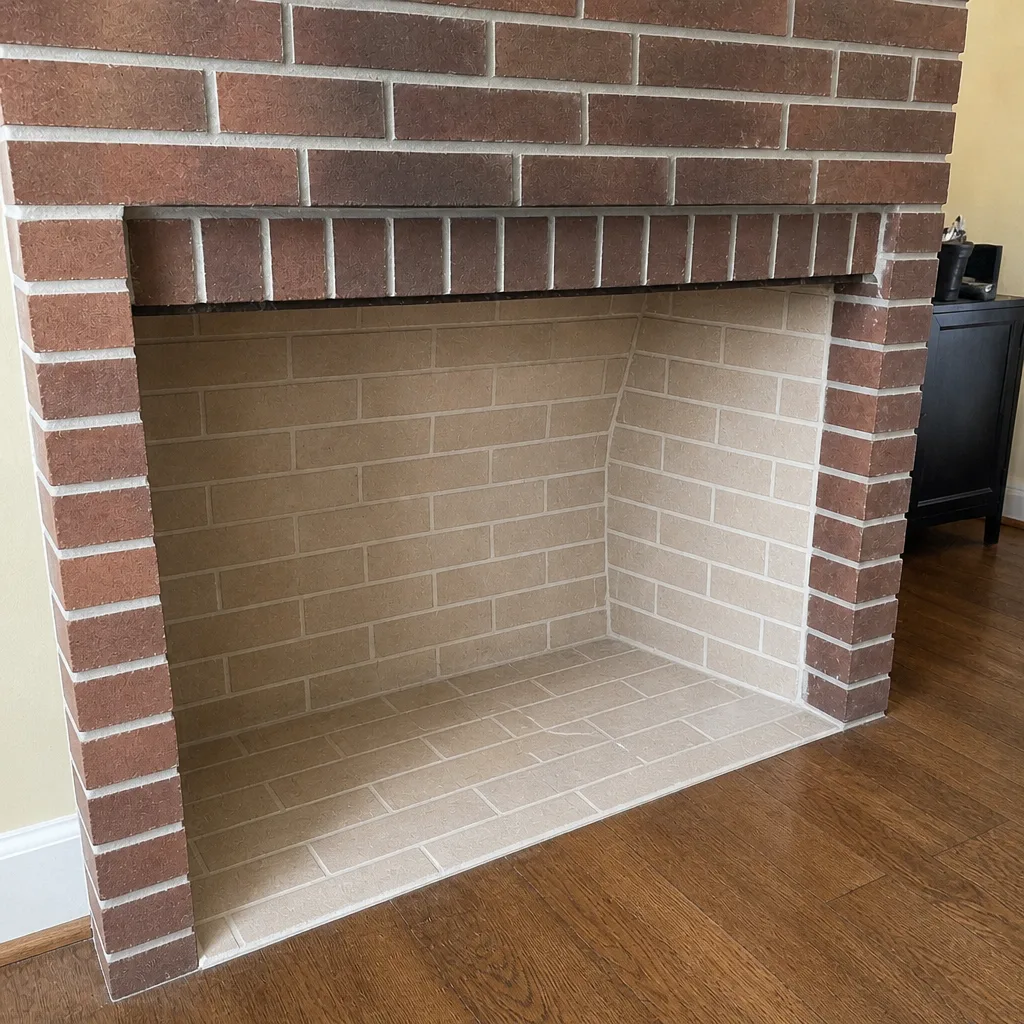
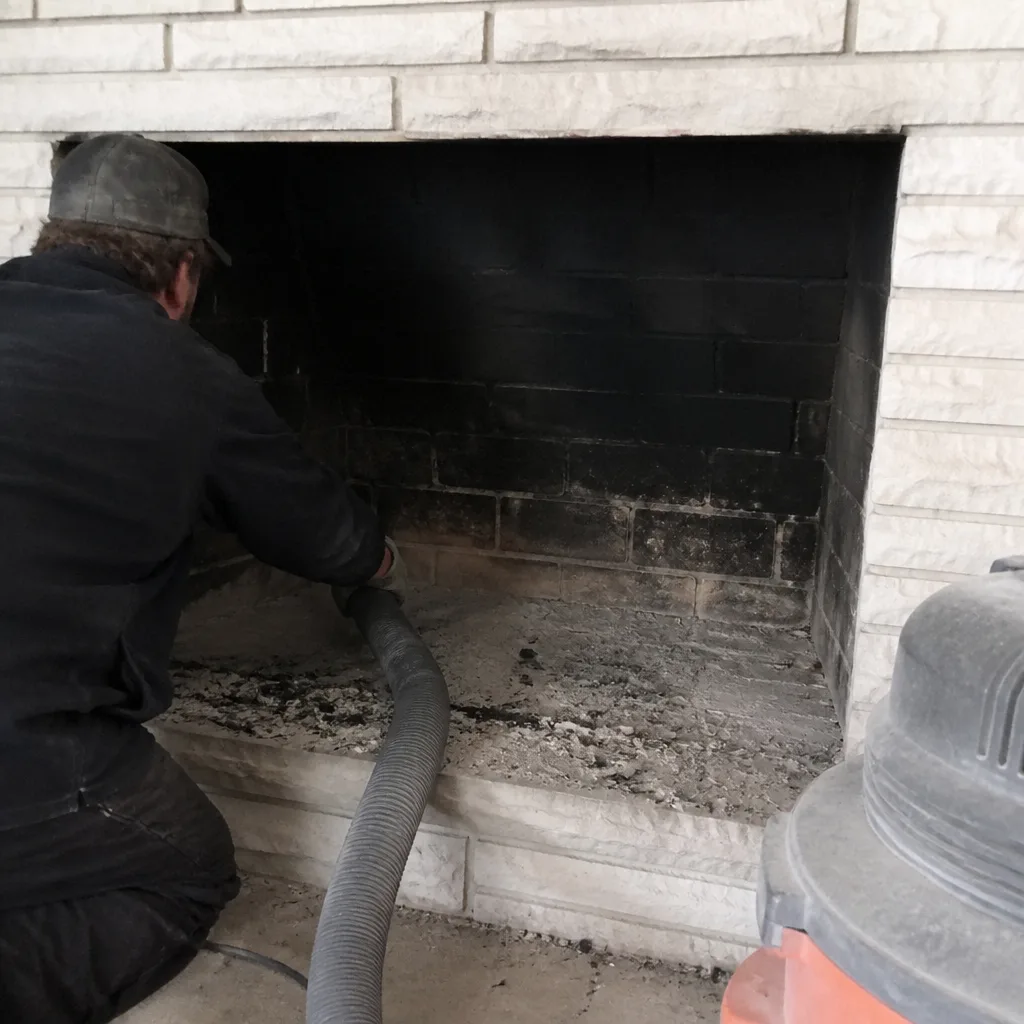
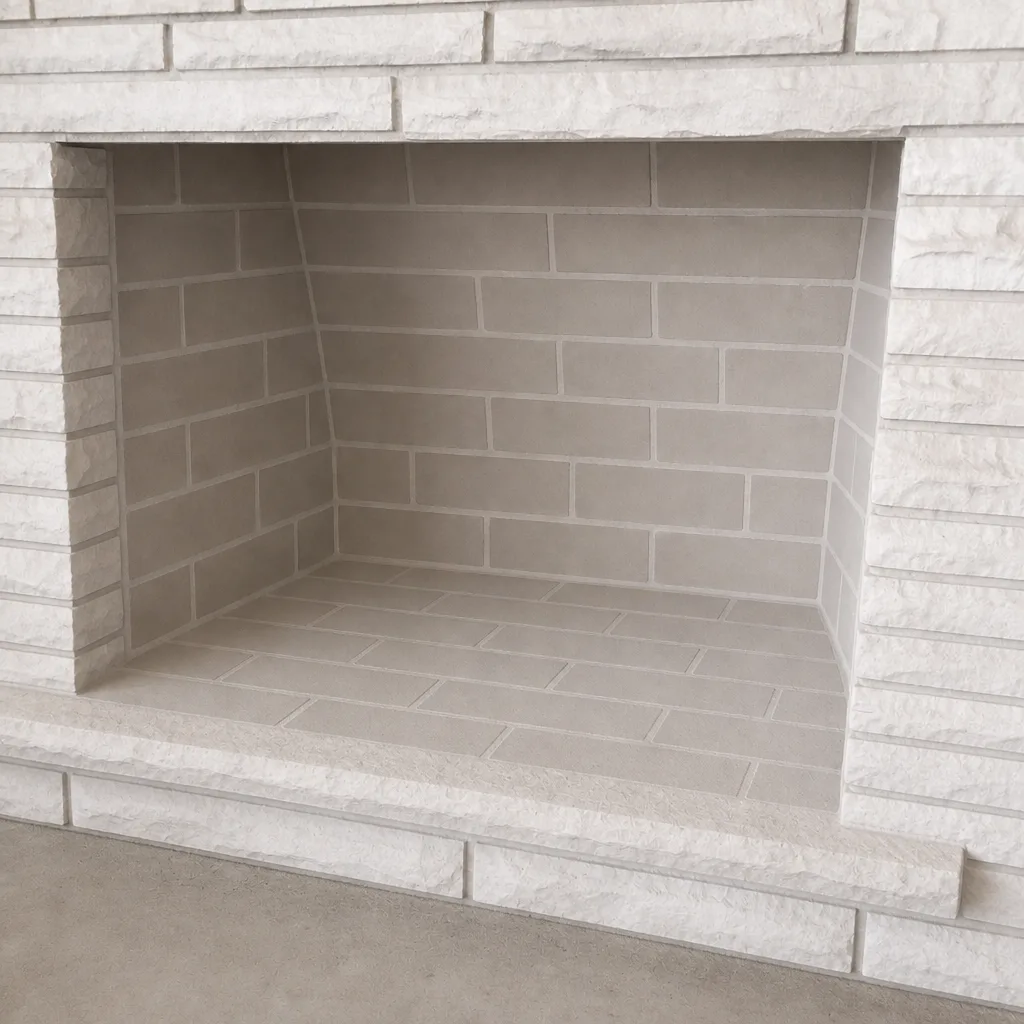
See the difference
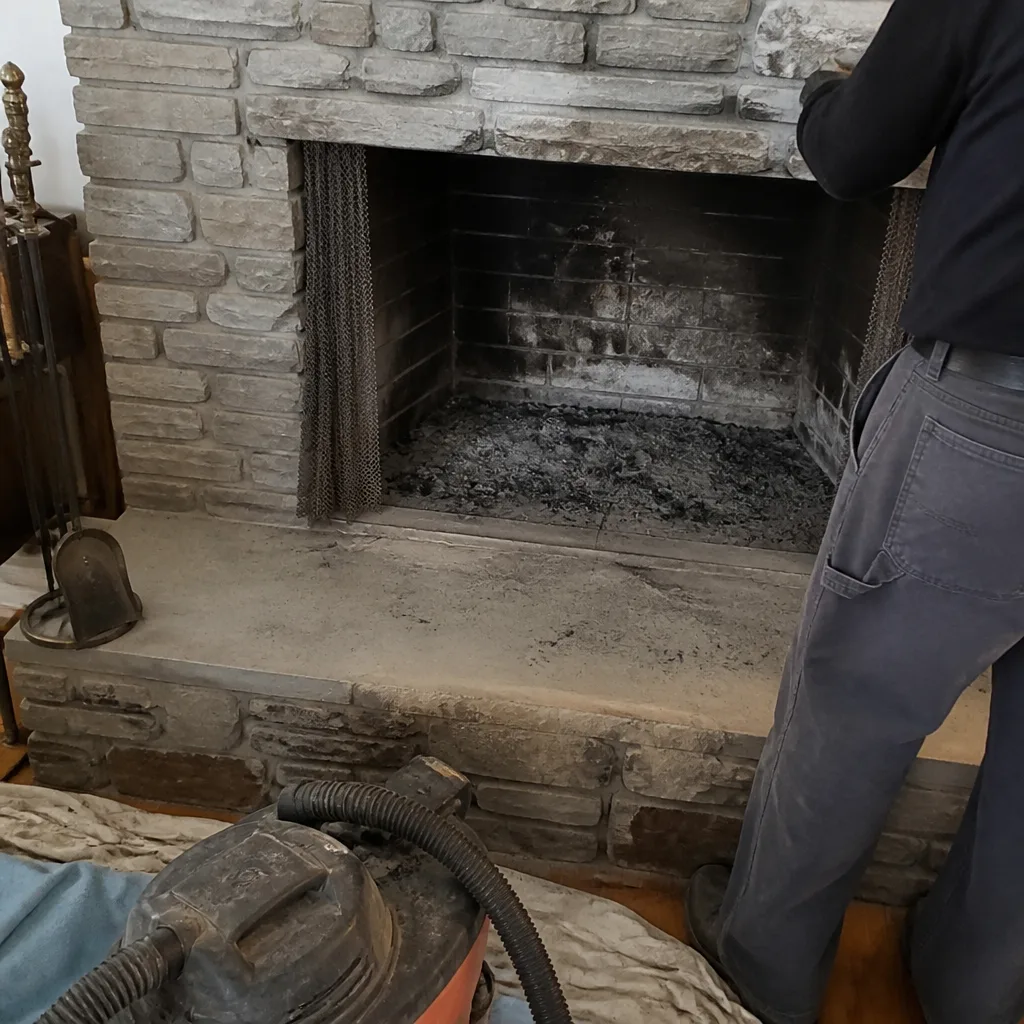 Before
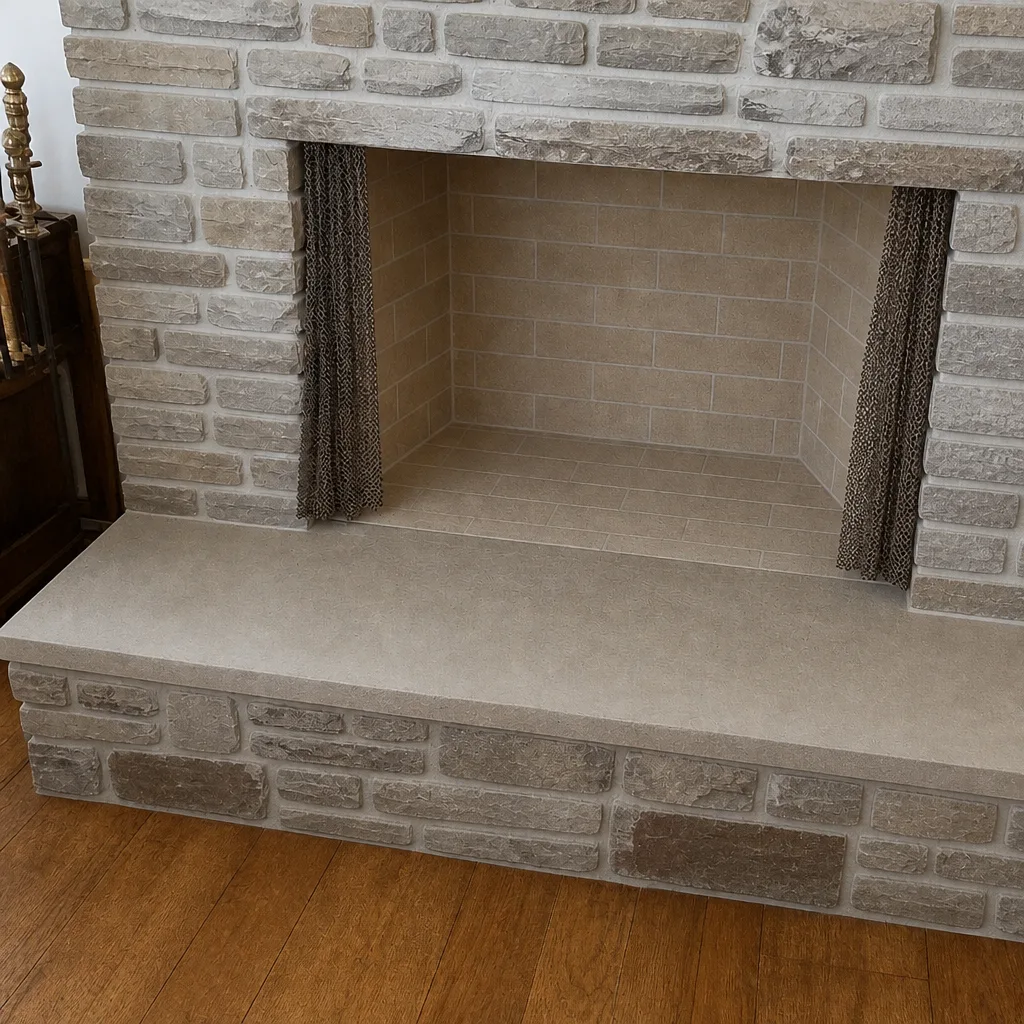 After
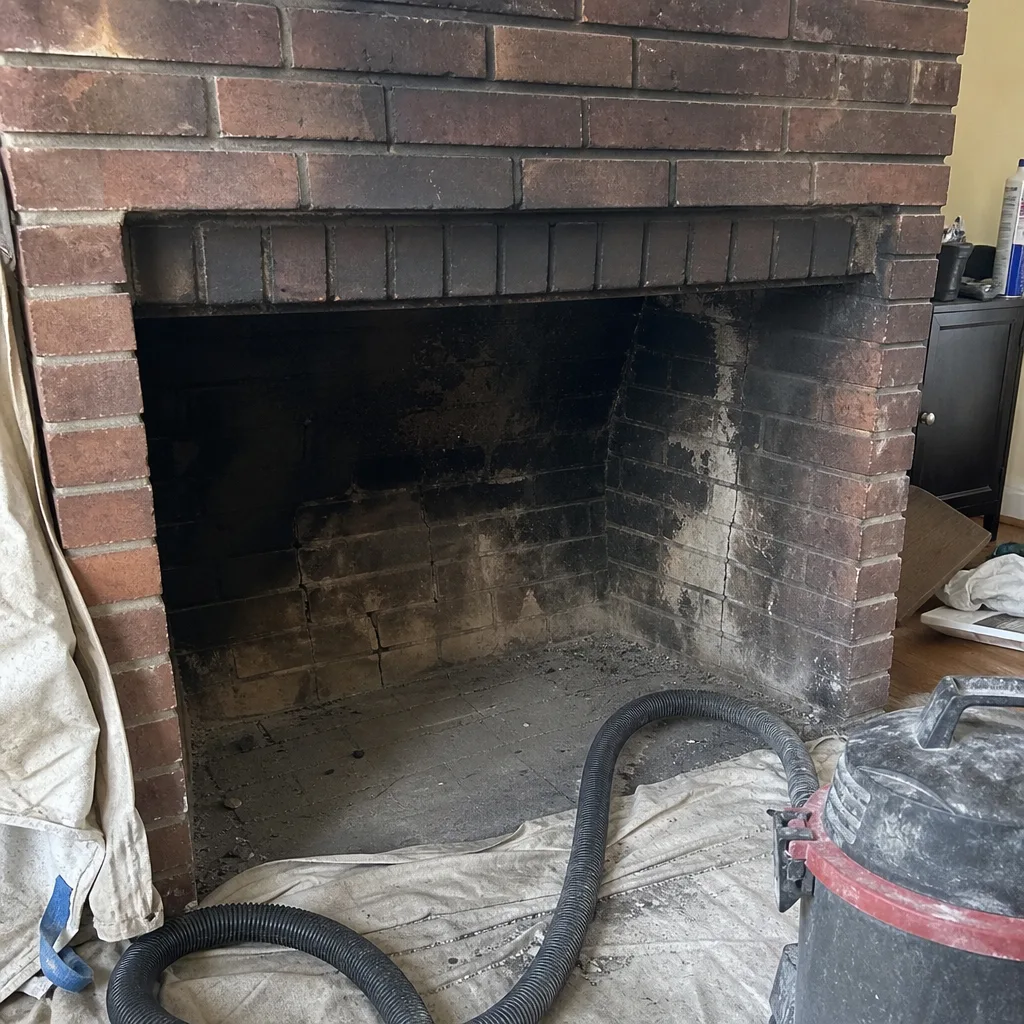 Before
 After
 Before
 After
When to Call a Professional
Call a professional when your annual cleaning uncovers something that needs a decision: a cracked crown, deteriorated flue tiles, a damaged cap, or a liner that’s no longer doing its job. Call one before you sell a home in Springville, so a Level 2 inspection is on the record before the buyer’s inspector finds something. Call one after a chimney fire, even a small one, because the flue needs to be evaluated before it’s used again. And call one if you’ve inherited a chimney repair with no documentation, because verifying what was done is the first step in deciding what comes next. Safety matters here: the flue carries combustion gases and the firebox holds a live fire, so the work that keeps both contained belongs with a trained technician, not a weekend project.
Chimney Sweep Springville offers free estimates in Springville. Call (888) 469-8196. We answer 24/7. Fast dispatch from 7am to 7pm, Sunday through Friday.
Frequently Asked Questions
No. Routine chimney cleaning, including the sweep itself and the Level 1 inspection performed during annual service, is maintenance and doesn’t require a building permit in Springville. A permit is generally triggered when the work becomes an alteration or repair, such as a liner replacement or chimney rebuild. If you’re not sure which category your job falls into, call (888) 469-8196 for an exact answer, and the estimate is free.
NFPA 211 calls for a Level 2 inspection when a property changes ownership, and it’s the level most buyers’ inspectors and insurers expect to see. It includes a video scan of the flue interior, which gives you documentation that a Level 1 visual check doesn’t produce. Call (888) 469-8196 to schedule one before you list, and the estimate is free.
The work may still be in place, but there’s no inspection record showing it was done correctly, and that gap can surface during a title search, a buyer’s inspection, or an insurance review. The usual remedy is a retroactive inspection through the building department, which is slower than doing it properly the first time. Call (888) 469-8196 if you’ve inherited undocumented work and want it evaluated, and the estimate is free.
Contact Springville City’s building department with the property address and ask for the permit status. A closed permit shows the inspection was completed; a permit that was pulled but never closed will show as open in the record. It helps to have the permit number if the contractor gave you one. Call (888) 469-8196 if you’d like us to help you sort out what the record means for your chimney, and the estimate is free.
Once a year, during routine service, is the baseline for a wood-burning chimney in continuous use. NFPA 211 sets the annual inspection as the standard, and a Level 2 inspection is called for when the property changes hands or the chimney has been through an event like a chimney fire. Call (888) 469-8196 to put your annual inspection on the calendar, and the estimate is free.
It depends on scope. A simple cap replacement is generally maintenance, while a crown rebuild that involves new masonry or structural repair is closer to alteration and may require a permit. The safest approach is to ask the building department about the specific scope before the work starts. Call (888) 469-8196 and we’ll walk you through the scope and the paperwork, and the estimate is free.
The Bottom Line
The permit question in Springville comes down to one distinction: cleaning is maintenance, and the repairs an inspection uncovers are often alterations. Cleaning doesn’t need a permit. Liner replacement, relining, and chimney reconstruction generally do, and the paperwork trail from that permit is what protects you at sale time. NFPA 211 sets the inspection standards, Springville City runs the permits, and a Level 2 inspection with camera evidence is the record that ties it together. If you’re planning work on your chimney, ask about the permit before the work starts, not after. Then keep the closeout documentation somewhere you’ll find it again.
Chimney Sweep Springville covers the full arc from cleaning and inspection through fireplace repair, chimney repair, and cap and crown work, using professional-grade materials from DuraFlex, HeatShield, Gelco, Olympia Chimney, Famco, and Copperfield. Our technicians have up to 12 years of experience, and we inspect before we recommend. Call (888) 469-8196 for a free estimate. We answer 24/7. Fast dispatch from 7am to 7pm, Sunday through Friday.
Written by the team at Chimney Sweep Springville.