
Last updated November 23, 2026
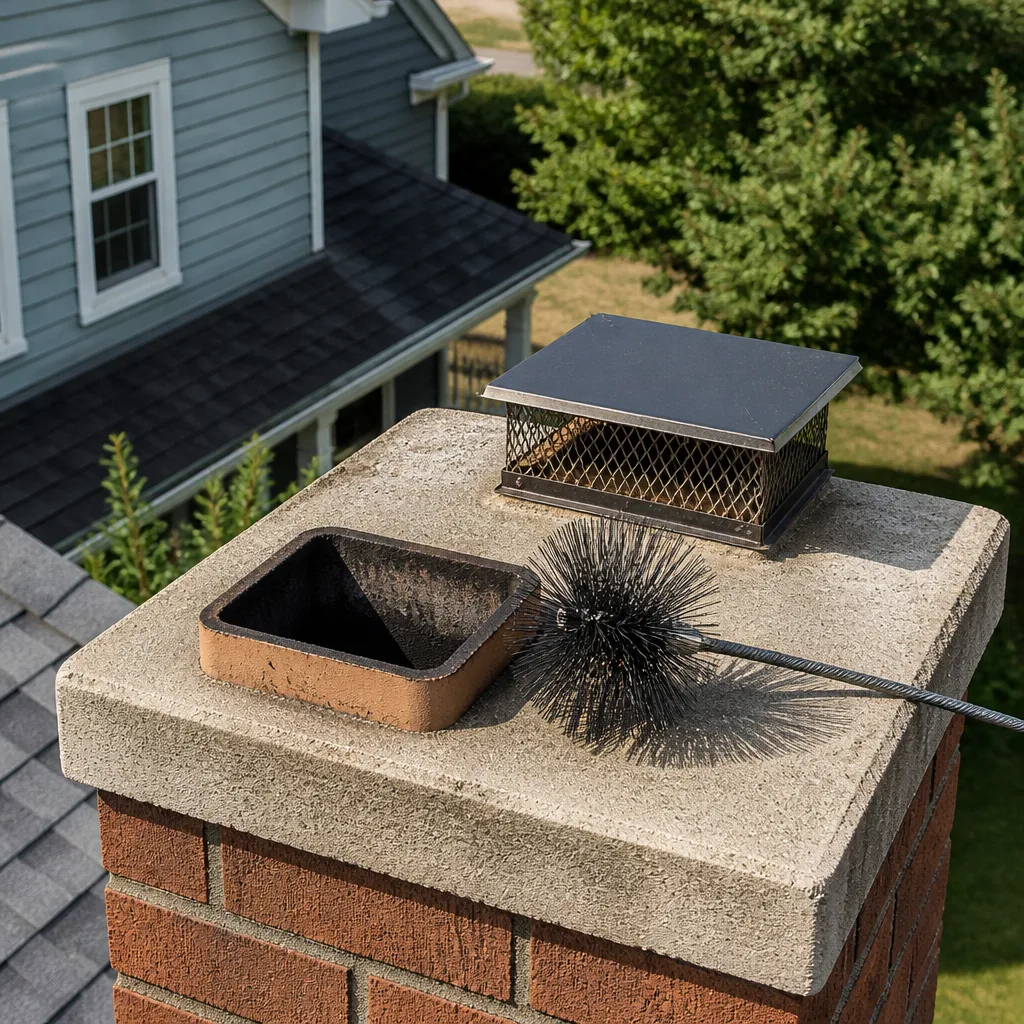 Sweep & inspection
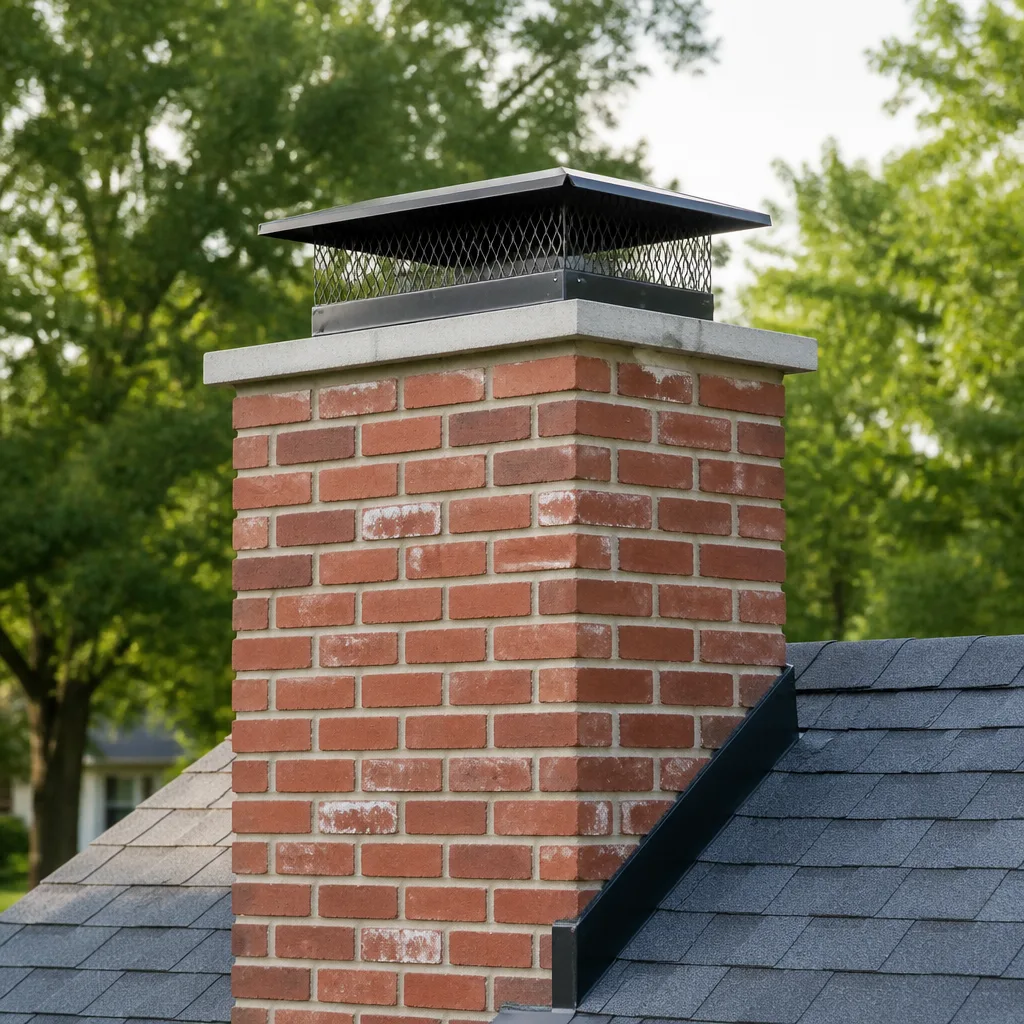 Caps & crowns
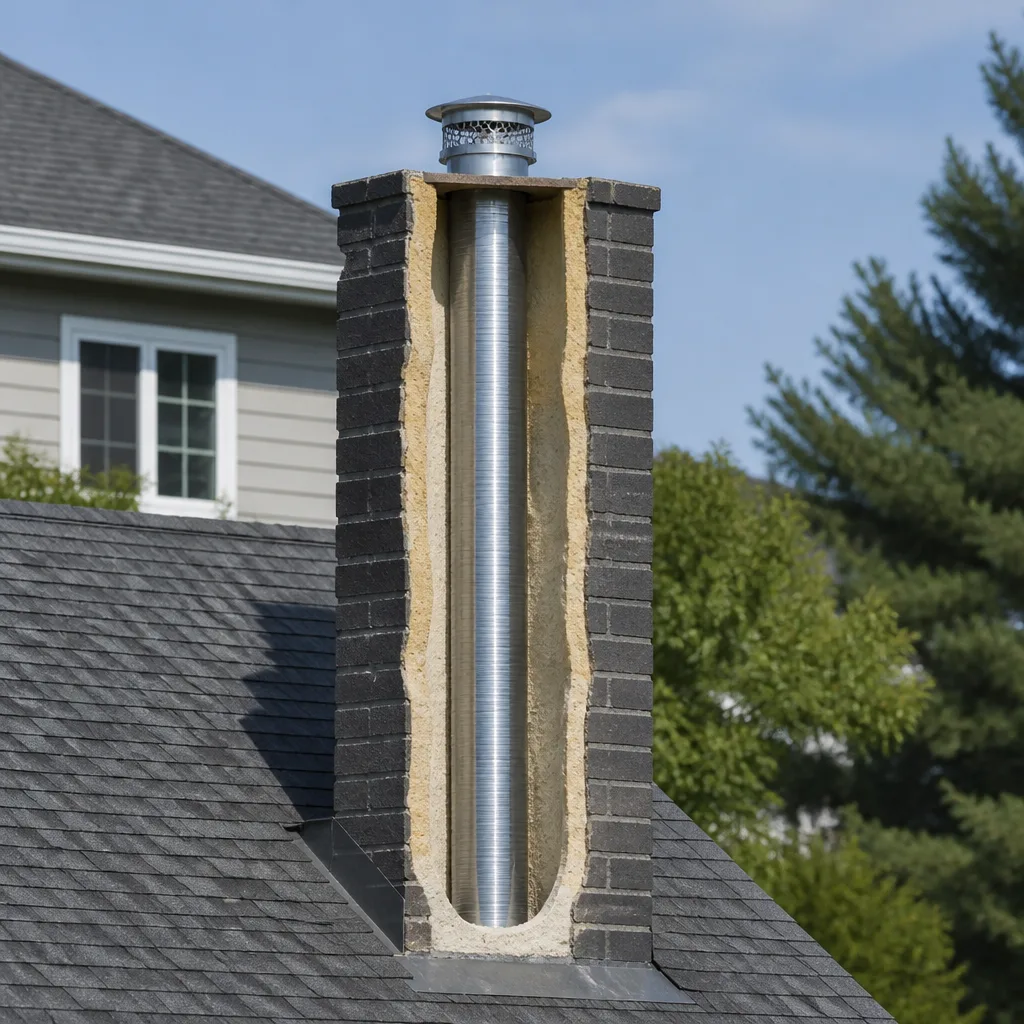 Flue relining
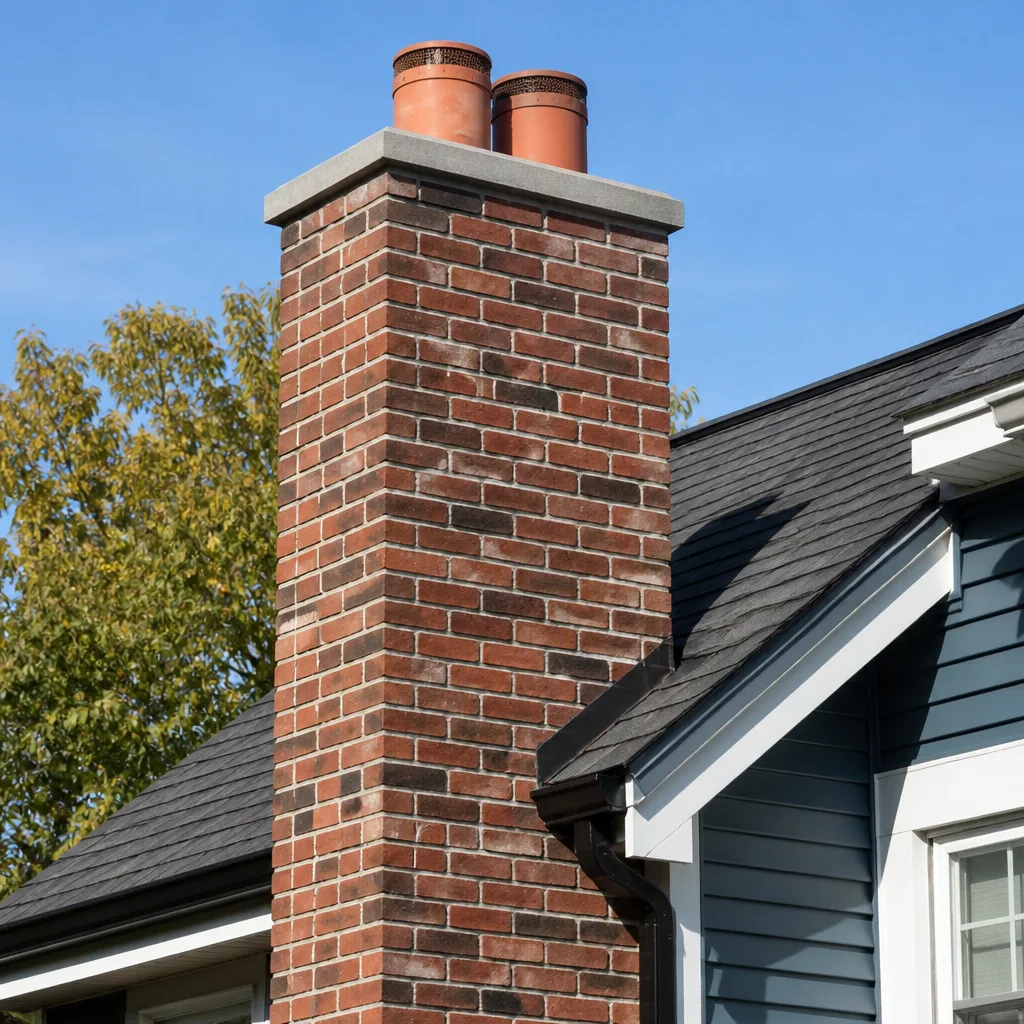 Masonry repair
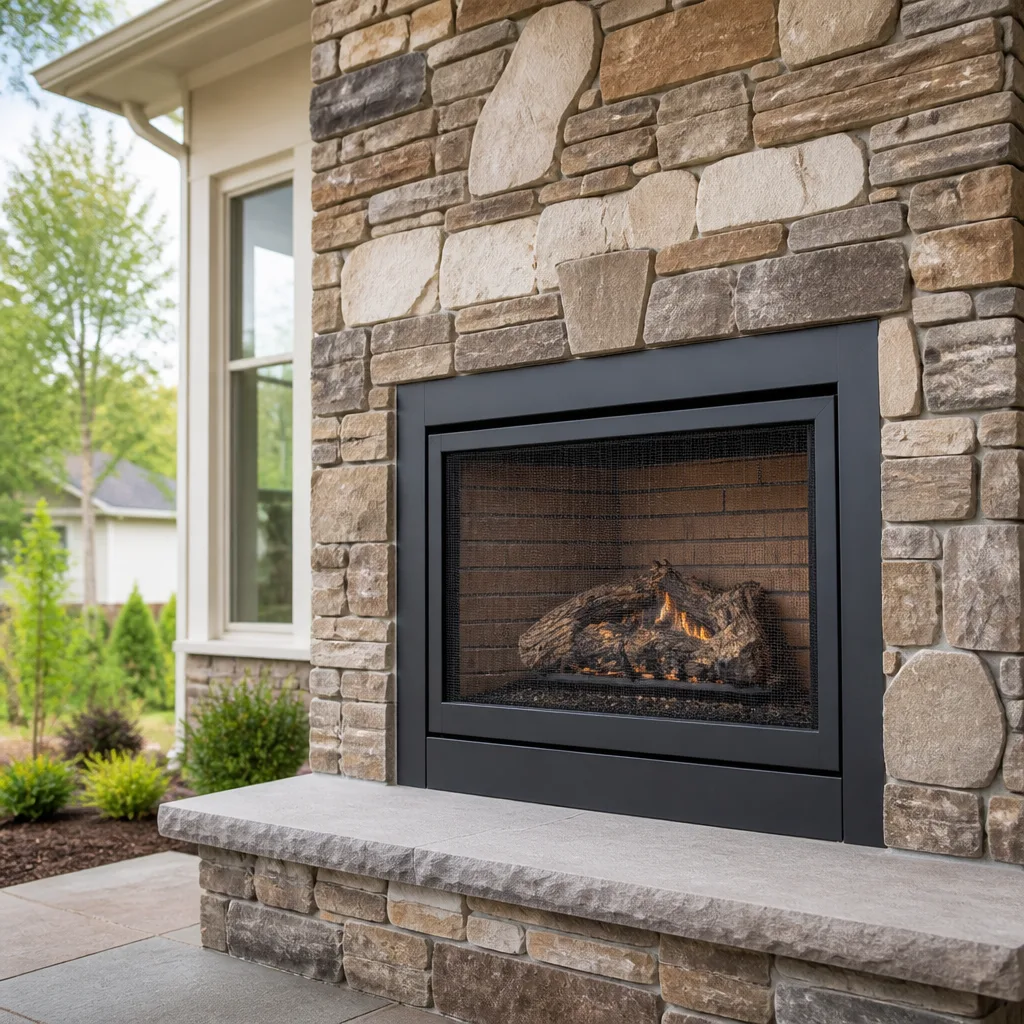 Gas fireplace service
Level 1 sweep and inspection to the NFPA 211 annual standard - flue, crown, cap, and flashing checked and photographed
Chimney sweep logs do not sweep chimneys. They loosen some creosote - which then falls where a brush and vacuum still have to collect it.
The Complete Guide to Chimney Cleaning in Springville
Most chimney fires don’t start because a homeowner skipped a cleaning. They start because the cleaning happened on a schedule that had nothing to do with how that household actually burns wood. A family that loads the stove every evening from October to March, with a damper cracked and a load of unseasoned cottonwood, builds creosote at a very different rate than a household that lights three fires a season and calls it done. National advice treats those two homes the same. It shouldn’t, and around here it especially shouldn’t, because Springville sits at the mouth of a canyon where cold air settles, inversions hold smoke low, and the burning season runs long. This guide is about matching your cleaning schedule to your burn, your wood, and your elevation, and about reading the sweep report you get so you can tell a real problem from a sales pitch.
Quick Answer
Chimney cleaning in Springville should be done once a year for most wood-burning households, timed just before you start burning in fall, and more often if you burn daily through the winter or burn wood that hasn’t fully seasoned. A routine cleaning includes a Level 1 inspection, which covers the accessible parts of the flue, firebox, damper, and cap. Anything past that, like a camera-scoped Level 2 inspection, gets recommended only when there’s a reason for it, and a good sweep will show you the evidence before suggesting repair work.
Styles & brands we work with
- Sweep & inspection
- Caps & crowns
- Flue relining
- Masonry repair
- Gas fireplace service
Table of Contents
- Why Springville Chimneys Build Creosote Differently
- What Schedule Actually Fits Your Household
- Seasoning Wood in High-Desert Utah
- Level 1, 2, and 3 Inspections: Which One Applies to You
- What a Sweep Actually Checks During a Cleaning
- How to Read Your Sweep Report
- How to Prepare for a Cleaning
- Common Mistakes to Avoid
Why Springville Chimneys Build Creosote Differently
Chimney draft depends on the temperature difference between the flue gas and the outside air, and on the density of the air the fire pulls in. In Springville, that math changes through the winter in ways a homeowner from a lower, milder climate wouldn’t recognize. Cold air sinks into the valley floor overnight. On inversion days, a lid of warmer air traps smoke and particulates close to the ground, and the same stalled air mass that makes the valley hazy also means your chimney is exhausting into dense, cold, heavy air. A fire that drew well in November can smolder in January, and smoldering fires are the ones that lay down glazed creosote instead of burning it off.
Elevation compounds it. Higher elevation means thinner air and less oxygen per cubic foot, so a fire needs more draft to burn as cleanly as it would at sea level. Stoves and fireplaces that were sized and installed without that in mind often run a little rich, especially on mild afternoons when the stack is cool. Rich burning sends more unburned wood gas up the flue, and that gas is what condenses into creosote on a cool flue wall.
What does this mean for a Springville homeowner in practice? A few things we see often:
- Glazed, shiny creosote builds faster in a valley that holds cold air than in a windy, open location at the same elevation.
- Inversion weeks push people to burn more, and burn damper-down to keep smoke out of the neighborhood, which is exactly the pattern that produces heavy deposits.
- Long, cold winters mean the flue stays in service for months, so there’s more time for deposits to accumulate between cleanings.
- Cottonwood and other fast-drying local softwoods season quickly but burn hot and fast, and they can leave more ash and more fly ash on the smoke shelf than dense hardwood.
None of that means Springville chimneys are somehow dangerous by nature. It means the generic “once a year, anytime” advice underserves them. The right schedule follows the burn, and the burn here runs long and heavy.
What Schedule Actually Fits Your Household
There’s no single correct cleaning interval, and any sweep who quotes you one without asking how you burn is guessing. The honest way to set a schedule is to look at the three variables that drive creosote accumulation: how often you burn, how hot the fire runs, and how dry the wood is.
Here’s how those variables shake out for the households we serve in Springville:
- Daily winter burning, wood as primary heat: clean every year, and expect the sweep to check again mid-season if the fire has been running dampered down through an inversion stretch. Some of these homes need a second look before spring.
- Regular evening and weekend fires, wood as supplement: annual cleaning is usually right, timed in early fall before the first burn.
- Occasional fires, a few dozen a season: annual inspection still makes sense, but a full cleaning may only be needed every other year if the flue stays clean on inspection.
- Gas fireplace, decorative logs: no creosote, but the flue, venting, and pilot assembly still deserve an annual check for obstruction and carbon monoxide safety.
- Pellet stoves: follow the manufacturer’s vent cleaning interval; fly ash and fines behave differently than wood smoke deposits.
One rule holds regardless: if you’ve burned through a full cord of wood since the last cleaning, or if you can see a quarter inch or more of buildup on the flue wall or the damper, it’s time. If you’ve had a chimney fire, even a small one you think you put out yourself, get a Level 2 inspection before you burn again. A chimney fire can crack tiles and distort a liner in ways you can’t see from the firebox.
Timing matters too. Cleaning in fall, before the first burn, means you start the season with a clean flue and the sweep gets a look at the system when it’s easiest to service. Cleaning at the end of winter means the deposits sit all summer, and summer is when moisture and corrosive residue do their slow work on metal and mortar. If you can only do one cleaning a year in Springville, do it in fall.
Seasoning Wood in High-Desert Utah
National firewood advice says split, stack, and season for six to twelve months. In high-desert Utah, that advice needs adjusting in both directions. Our summers are hot and dry, which drives moisture out of split wood quickly. Our winters are cold and our shoulder seasons can be wet, which can put moisture back in if wood isn’t stacked and covered correctly. The result is that a well-stacked, top-covered pile of split wood in Springville can be ready to burn in less time than the national rule suggests, but a pile that’s stacked on the ground, uncovered, or split too late in the year may still be too wet when the cold hits.
What actually matters is moisture content, not calendar time. Wood that reads around 15 to 20 percent moisture on a meter burns clean. Wood above 25 percent wastes heat boiling off water, runs cool, and sends more unburned gas up the flue, which is the recipe for creosote. You don’t need a meter to get a rough read. Split a piece and check the fresh face: dry wood looks lighter and feels lighter than it looks, and the ends will show checking, the small cracks that open as the wood dries.
Some practical guidance for the woodpile in Springville:
- Split early. Wood split in spring has all summer to dry. Wood split in October is wet wood no matter what the calendar says.
- Stack off the ground on rails or pallets, single-row if you can, with the split faces facing the sun and wind.
- Cover the top only, leaving the sides open to airflow. A tarp wrapped around the whole pile traps moisture in.
- Keep the pile a reasonable distance from the house and clear of the chimney’s exterior, so animals and debris don’t migrate toward the flue.
- Bring wood in a few days ahead of burning so it warms and dries on the surface, but don’t store a large pile indoors.
Local species matter here. Cottonwood and aspen dry fast and burn hot, and they’re common in the valley. Hardwoods like oak and maple take longer to season but hold heat longer and produce more coals. Neither is inherently better for your chimney, but a pile of half-seasoned cottonwood burned dampered down in January is one of the fastest ways to build glazed creosote we know of.
Level 1, 2, and 3 Inspections: Which One Applies to You
The inspection levels come from the standard the chimney trade works to, and understanding them keeps you from paying for work you don’t need or skipping work you do. A routine cleaning in Springville almost always pairs with a Level 1 inspection. The other two levels come into play when there’s a reason.
- Level 1: A visual check of all accessible parts of the chimney and venting, plus the firebox, damper, and cap, done without special tools and without opening anything up. This is the standard companion to an annual cleaning, and it’s what you should expect on a normal service visit.
- Level 2: Everything in a Level 1, plus a camera-scoped look at the flue interior, the attic and crawl space where accessible, and any concealed sections. This is the inspection for a change in the system: a new appliance, a relined chimney, a change in fuel, a real estate transaction, a chimney fire, or an earthquake or major storm that may have shifted the structure.
- Level 3: The most involved, and rarely needed. It’s for when a Level 1 or 2 turns up a problem that requires opening up a wall or other concealed area to investigate. Level 3 work is a construction project and gets scoped and priced as one.
Here’s the part most homeowners miss: a Level 1 inspection is not a camera inspection. It’s a careful visual review of what the sweep can reach and see. That’s usually enough for a well-maintained chimney on an annual schedule. It’s not enough to rule out a cracked flue tile deep in the stack, a failed liner joint, or a gap between the clay tiles and the surrounding masonry. If a sweep recommends liner or masonry work off a Level 1 alone, ask for the camera evidence. A responsible sweep will either have it or go get it.
What a Sweep Actually Checks During a Cleaning
Homeowners often assume a cleaning means “the sweep brushes the flue and leaves.” A proper cleaning is a diagnostic as much as a service, and knowing what gets checked helps you judge whether the visit was thorough. In our experience, the difference between a sweep-only visit and a real service call shows up in these areas:
- The firebox and damper: cracks in the firebox panels, the damper’s operation, and whether the smoke shelf is packed with debris.
- The smoke chamber: the sloped area above the damper. This is where creosote glazes and where rough mortar joints make it worse.
- The flue: the sweep brushes it and looks at what comes out, then runs a light and a mirror or camera to check for gaps, offset tiles, and the condition of the liner if one is present.
- The crown and cap: the crown is the concrete top of the chimney; a cracked crown is one of the most common sources of water intrusion. The cap keeps rain and animals out, and its mesh and fasteners wear out.
- Flashings and masonry joints: where the chimney meets the roof and along the stack, checking for cracks, missing mortar, and water staining.
- The exterior at ground level: the cleanout, the ash pit if present, and the base for signs of moisture or settlement.
What a sweep is not doing during a cleaning is a camera inspection of the entire flue, a structural masonry assessment, or a gas-appliance combustion analysis. Those are separate services or separate trades. If someone tells you a routine cleaning found a failed liner without a camera, or that the crown needs replacing without showing you a photo, that’s the moment to slow down and ask questions.
At Chimney Sweep Springville, we inspect before we recommend. The cleaning is the reason we’re there. The inspection is the reason the visit matters.
How to Read Your Sweep Report
A sweep report should tell you three things about every finding: what it is, what happens if it’s left alone, and how urgent it is. Most reports skip straight to the third, which is why homeowners end up feeling pressure to approve work they don’t understand. Here’s how to sort a finding into the three buckets that matter.
- Urgent: address before the next fire. Cracks in a firebox that open the fire to the framing, a blocked or partially blocked flue, a damaged liner with gaps, a failed cap that has let water into the flue, or any evidence of a chimney fire. These are safety findings. Don’t burn until they’re resolved.
- Seasonal: address before the next heating season. A cracked crown letting water in, spalling mortar joints on the exterior, a cap whose mesh has rusted through, or heavy glazed creosote that needs a specific treatment before it hardens further. These are the findings you schedule into the calendar rather than panic about.
- Elective: monitor and revisit. A slightly rough smoke chamber, minor cosmetic masonry wear, a small amount of buildup in a liner that cleans up fine. These are the “next time” items. A good report lists them so you can see the trend over a couple of years.
Ask your sweep to put a photo or a scoped image next to any urgent or seasonal finding. It’s the single easiest way to tell a real recommendation from an upsell. If the sweep can’t produce an image, the finding probably isn’t urgent enough to force a decision on the spot. We’ve seen this save homeowners from unnecessary liner work and, just as often, from skipping a repair that really did need doing.
For more on the repair side of the report, see our guide to chimney repair. If the finding is at the firebox or damper, our fireplace repair page covers what’s involved.
How to Prepare for a Cleaning
A few minutes of prep on your side makes the visit faster and cleaner, and it means the sweep spends their time on the chimney instead of moving furniture.
- Clear the hearth and the floor in front of the fireplace so the sweep has room for a drop cloth and equipment.
- Move anything breakable off the mantel and nearby shelves. Brushing a flue shakes the whole stack.
- Don’t light a fire for at least 24 hours before the appointment, so the firebox and flue are cool.
- Note down how you burn: how often, what wood, whether you get smoke spillage into the room, and any smell you’ve noticed. The sweep will ask.
- Tell the sweep about any gas appliances vented into the same chimney, or any recent changes to the appliance or liner.
- Clear access to the roof and the cleanout if either applies. If the sweep can’t safely reach the top of the stack, the inspection is limited.
The sweep will lay drop cloths and use a dust-controlled vacuum during the cleaning. Expect to be in the room for a few minutes at the start and end of the visit; you don’t need to supervise the whole thing.
Common Mistakes to Avoid
- Treating cleaning as a once-a-year box to tick on a convenient date. The date should follow your burn, not your calendar. A heavy burner in Springville who cleans in spring and burns through an inversion-heavy winter is riding with deposits all season.
- Burning damp wood to stretch the supply. Wet wood runs cool, smokes, and lays down creosote, and it’s the most common single cause of buildup we see. Get a meter, or split a piece and check.
- Approving liner or masonry work off a verbal report. If the finding isn’t backed by a camera image or a photo, ask for it before you decide. A Level 1 inspection is not a camera inspection.
- Waiting for a chimney fire to schedule an inspection. A small fire can crack a tile or warp a liner in ways nothing visible from the firebox reveals. Get a Level 2 inspection after any chimney fire.
- Ignoring the crown and cap because the firebox looks fine. Water intrusion from a cracked crown or a failed cap is the most common cause of long-term chimney damage, and it shows up slowly, from the top down.
- Skipping the annual inspection on a gas fireplace. No creosote, but obstructions and venting failures still happen, and carbon monoxide is the risk that matters there.
- Using a general handyman for chimney work. Chimney systems have their own standards, tools, and materials. A specialist’s training concentrates on one system instead of spreading across many.
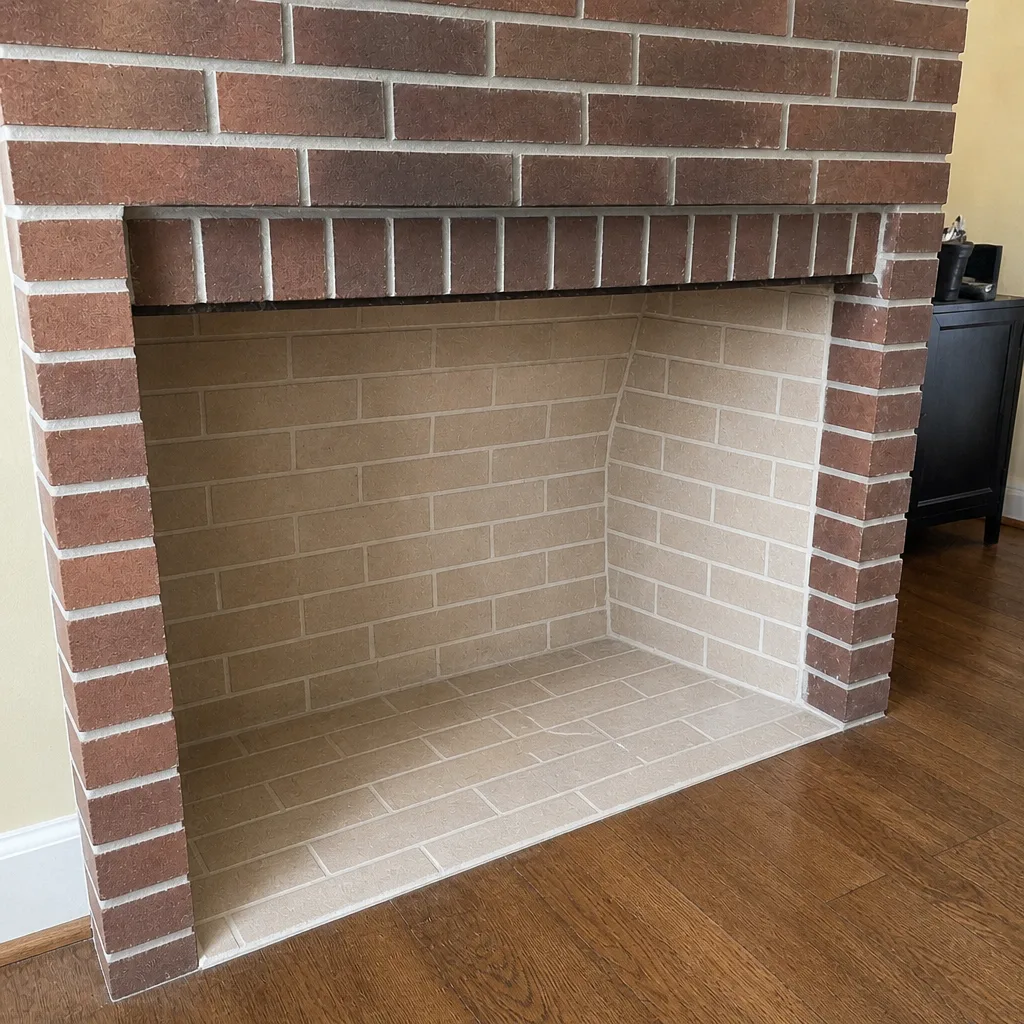
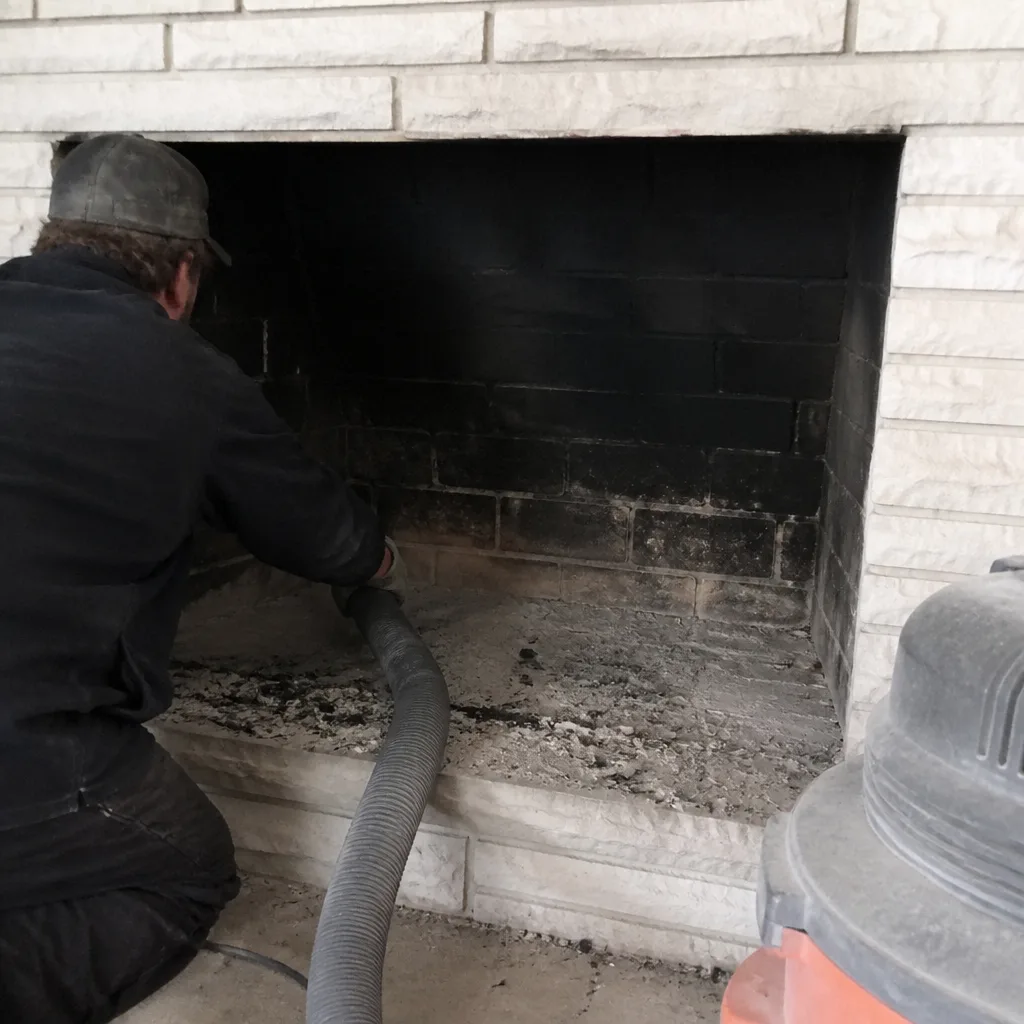
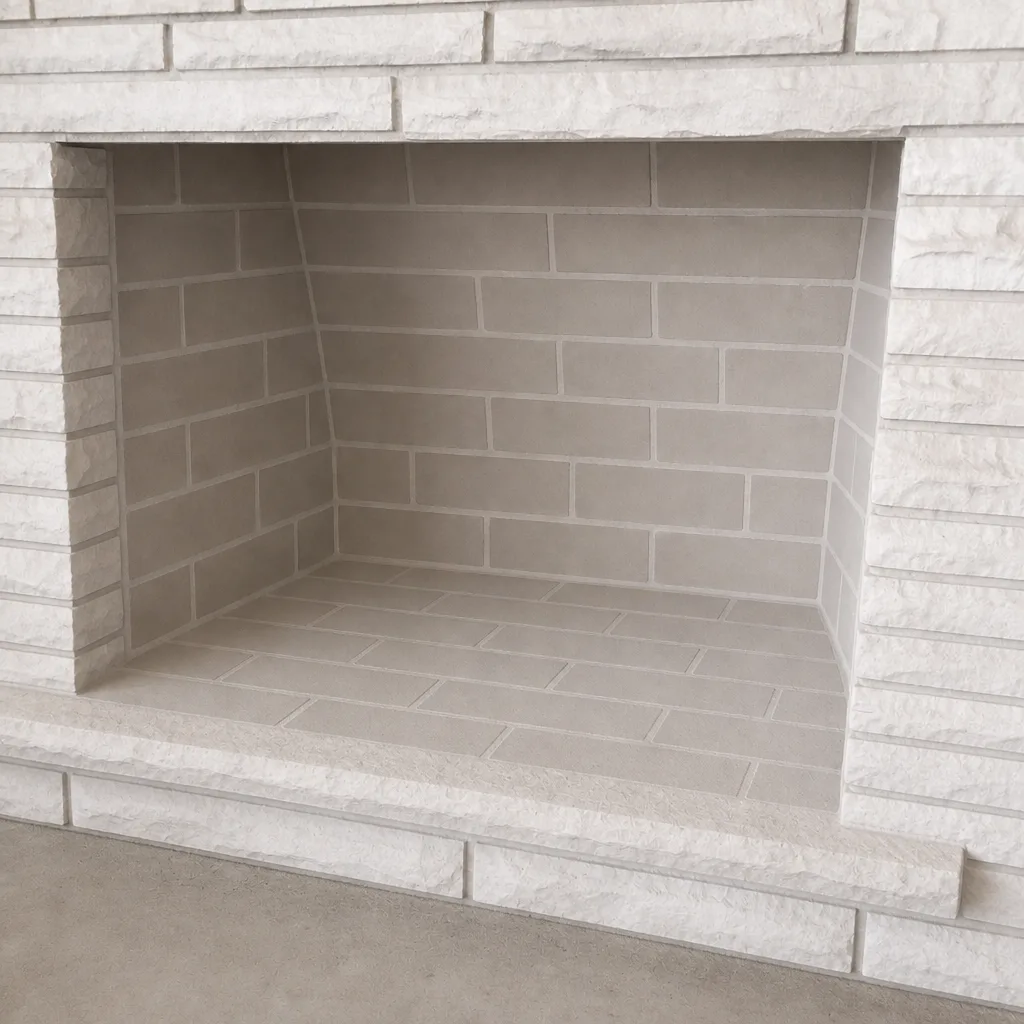
See the difference
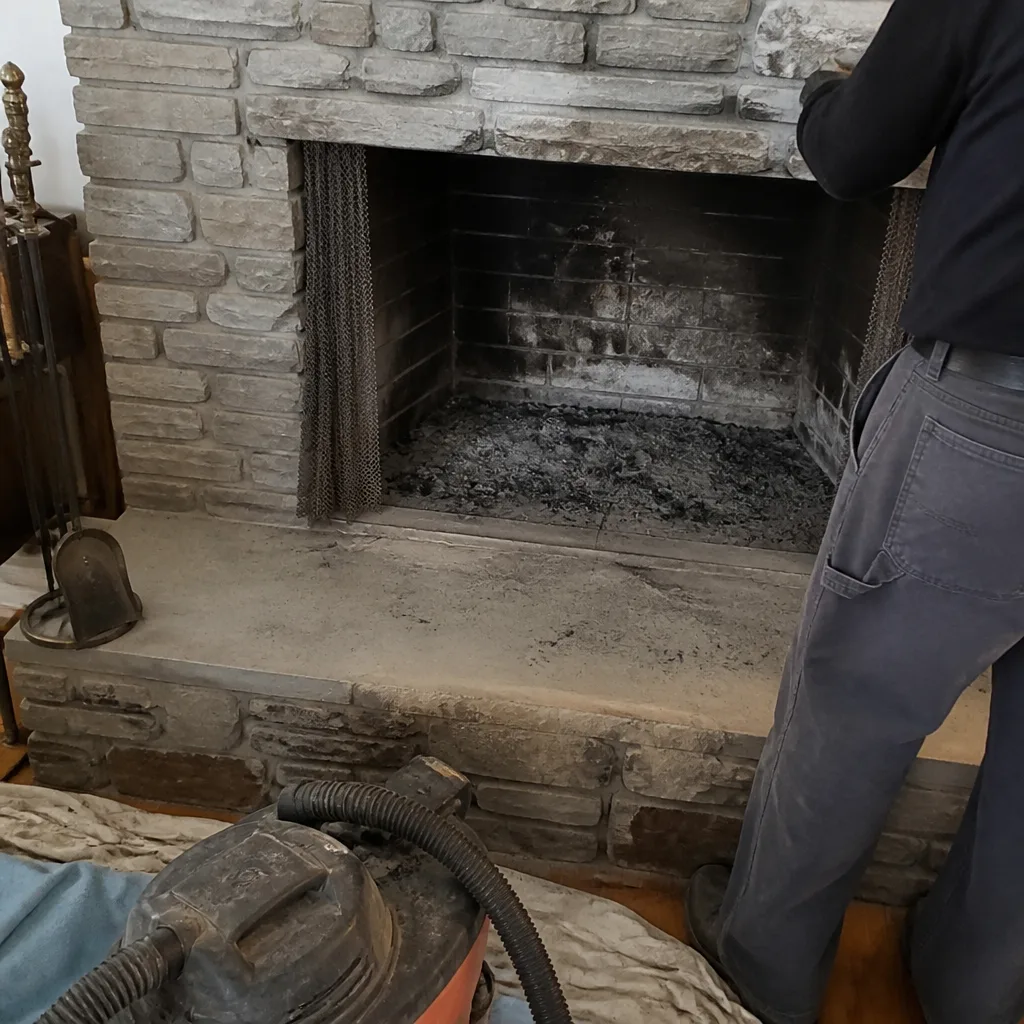 Before
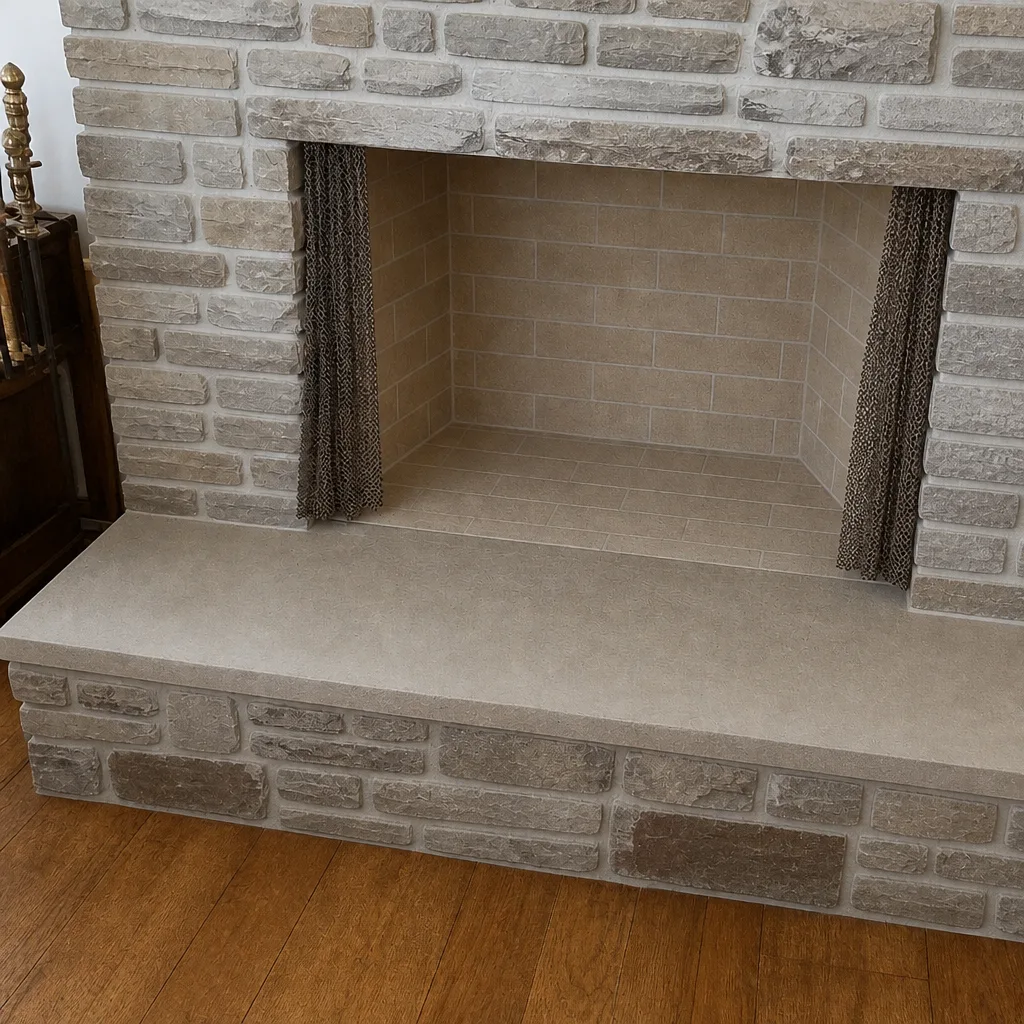 After
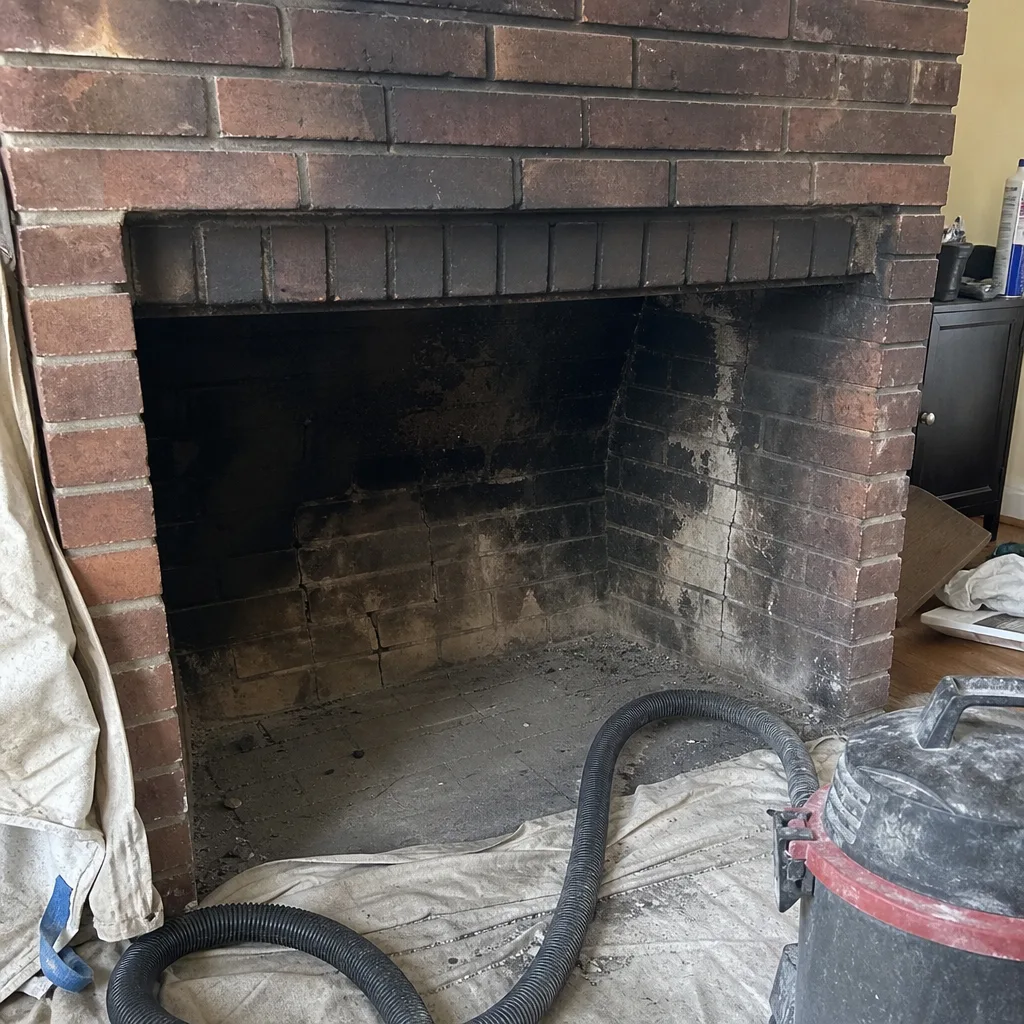 Before
 After
 Before
 After
When to Call a Professional
Call a chimney professional when you’re due for annual service, when you’ve just moved into a home with a fireplace you haven’t used, or when something changes. A sudden smell of smoke in the room when you’re not burning, a damper that won’t open smoothly, a draft that’s gotten noticeably worse, water stains on the ceiling near the chase, or visible white staining on the exterior masonry are all reasons to have someone look. A chimney fire, even a small one, is always a call. And if a previous sweep recommended thousands in liner work without camera evidence, a second opinion is worth getting. Chimney Sweep Springville offers free estimates in Springville. Call (888) 469-8196. We answer 24/7. Fast dispatch from 7am to 7pm, Sunday through Friday.
If the job is a straightforward cleaning and inspection, start with a chimney sweep visit and work from the report. For the full range of services, see Chimney Sweep Springville.
Frequently Asked Questions
A standard chimney cleaning in Springville typically costs between $150 and $350, and the written estimate sets the final price. A cleaning paired with a Level 2 camera inspection often runs more. Call (888) 469-8196 for an exact quote. Estimates are free.
Once a year for most wood-burning households, timed in fall before the first burn, and more often if you burn daily through the winter or burn wood that hasn’t fully seasoned. Heavy burners and homes burning through inversion stretches often need a mid-season look. Call (888) 469-8196 to set a schedule that fits your burn.
Only if the inspection shows a real defect, like cracked or offset tiles, a failed joint, or gaps in an existing liner, and that finding should come with camera evidence you can see. Many recommendations for a new liner turn out to be for smaller issues that can be restored instead. We install DuraFlex flexible liner systems and apply HeatShield resurfacing when a flue can be restored rather than relined, so the recommendation follows the finding. Call (888) 469-8196 for an honest assessment.
Creosote builds up in the flue, and glazed creosote is the fuel that sustains a chimney fire. Carbon monoxide risk also rises if a flue or vent becomes partially blocked. The buildup is slow and invisible from the firebox, which is why the annual visit matters. Call (888) 469-8196 before the season starts.
Yes. The cleaning removes deposits; the inspection checks the condition of the firebox, flue, damper, crown, cap, and masonry and documents what it finds. A routine cleaning typically includes a Level 1 inspection. A Level 2 camera inspection is a separate, more involved service, recommended when the system has changed or after a chimney fire. Call (888) 469-8196 to talk through which applies to you.
Yes. There’s no creosote, but the venting system can still be obstructed or damaged, and carbon monoxide is the risk that matters with gas. An annual check of the venting and the appliance is still worth it. Call (888) 469-8196 to book.
The Bottom Line
Chimney cleaning in Springville isn’t a national template with the city name swapped in. The long burning season, the cold valley air that holds inversions, the high-desert wood supply, and the way local homes actually burn all shift the calculus toward annual fall cleanings, careful wood seasoning, and inspections matched to what your household does rather than to what a sales script says. Read the report, ask for the camera evidence on any recommendation, and use the urgent, seasonal, and elective buckets to decide what to fix now. A good sweep gives you that. We’d rather explain a finding than sell one, and we work with professional-grade components like DuraFlex liners and HeatShield resurfacing because restoring a flue is often the smarter path than replacing it. Our technicians have up to 12 years of experience, and every job is inspected before anything is recommended.
Call (888) 469-8196 for a free estimate. We answer 24/7. Fast dispatch from 7am to 7pm, Sunday through Friday.
Written by the team at Chimney Sweep Springville.