
Last updated November 23, 2026
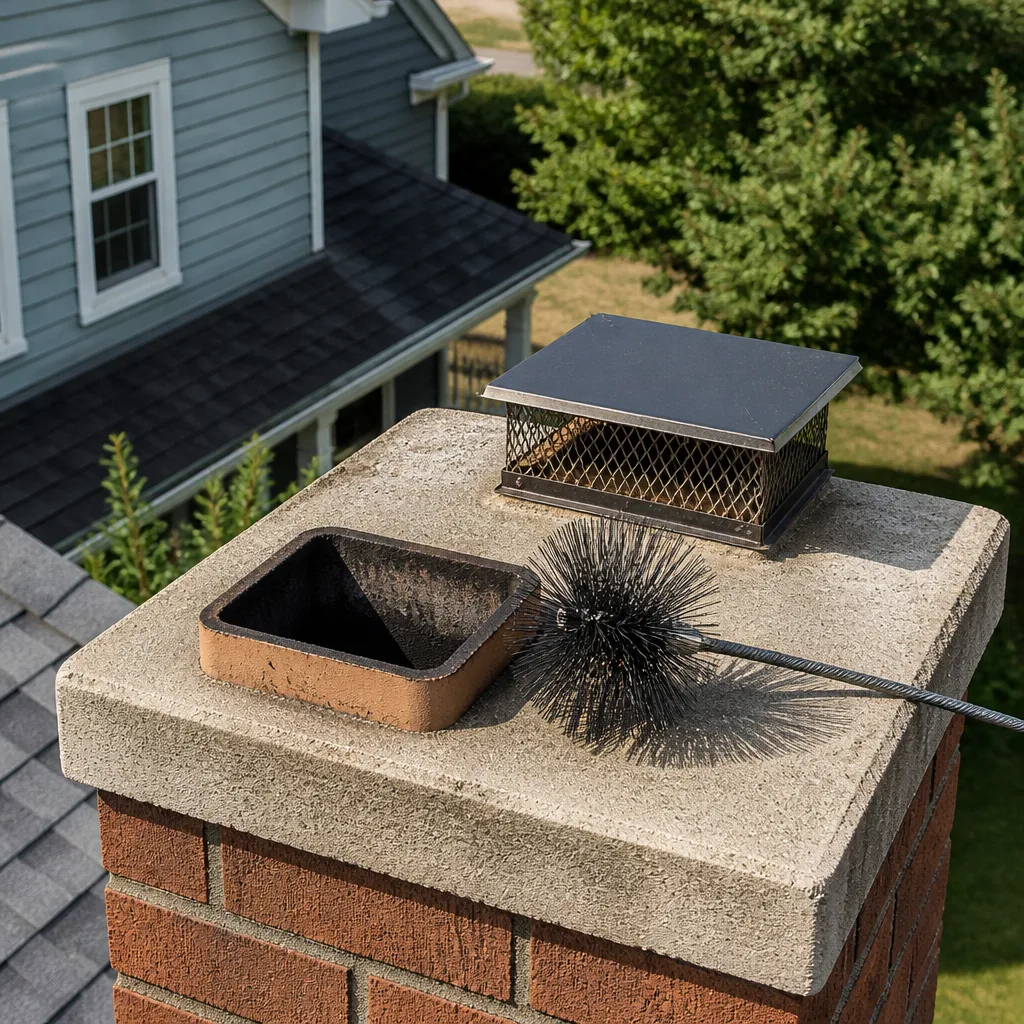 Sweep & inspection
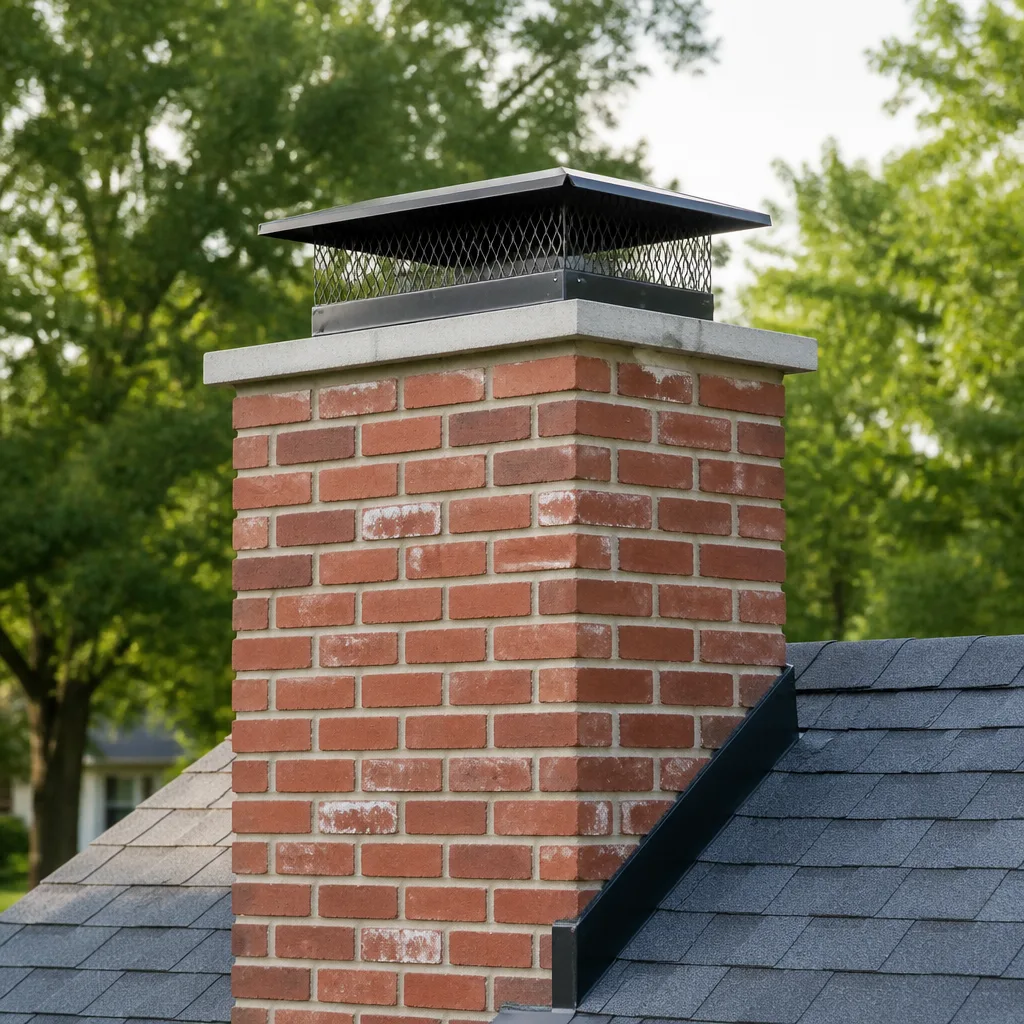 Caps & crowns
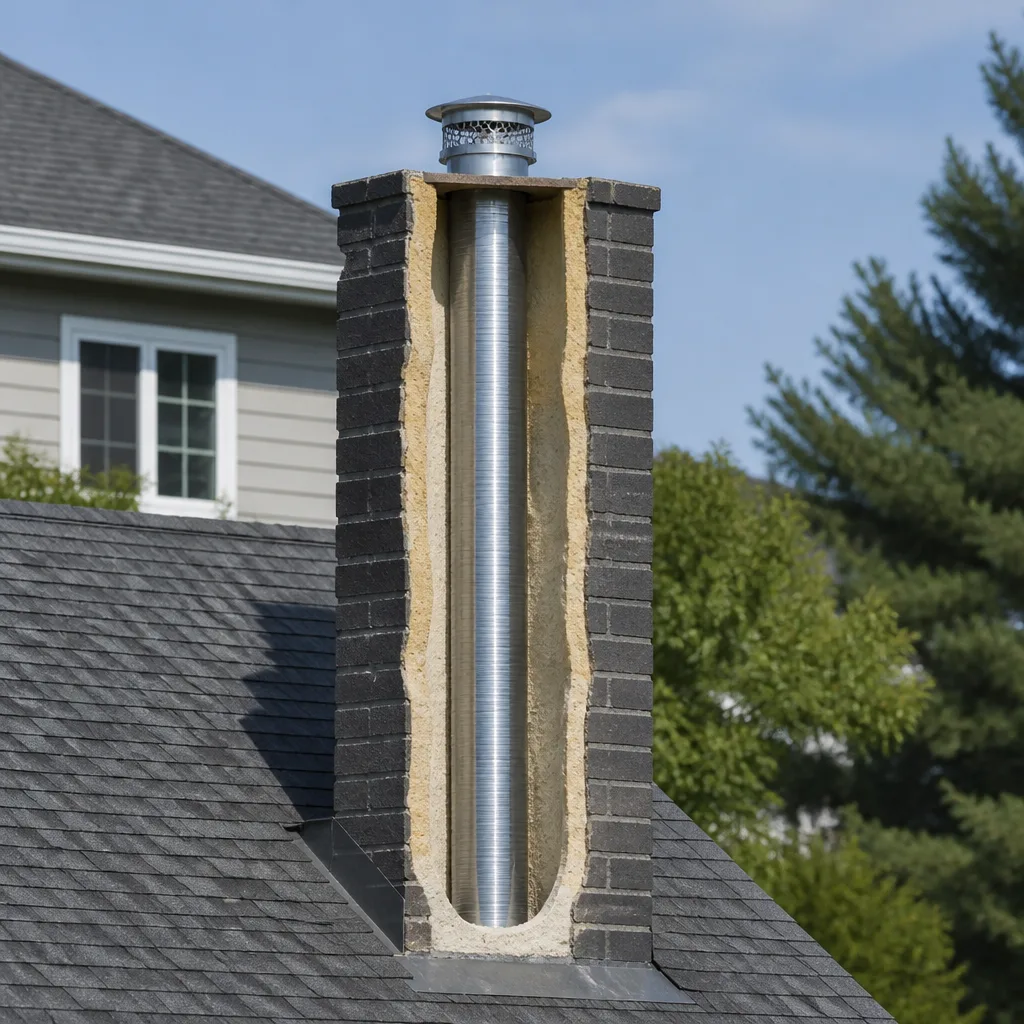 Flue relining
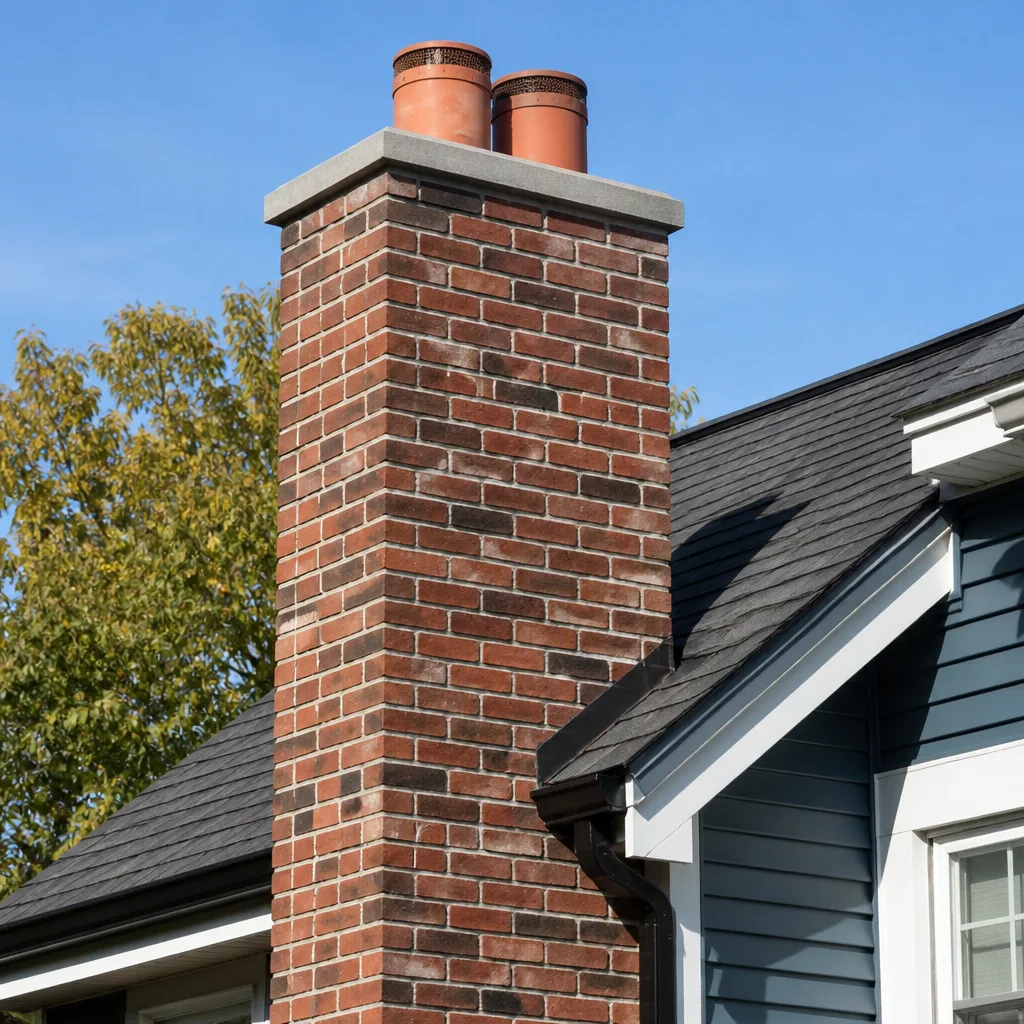 Masonry repair
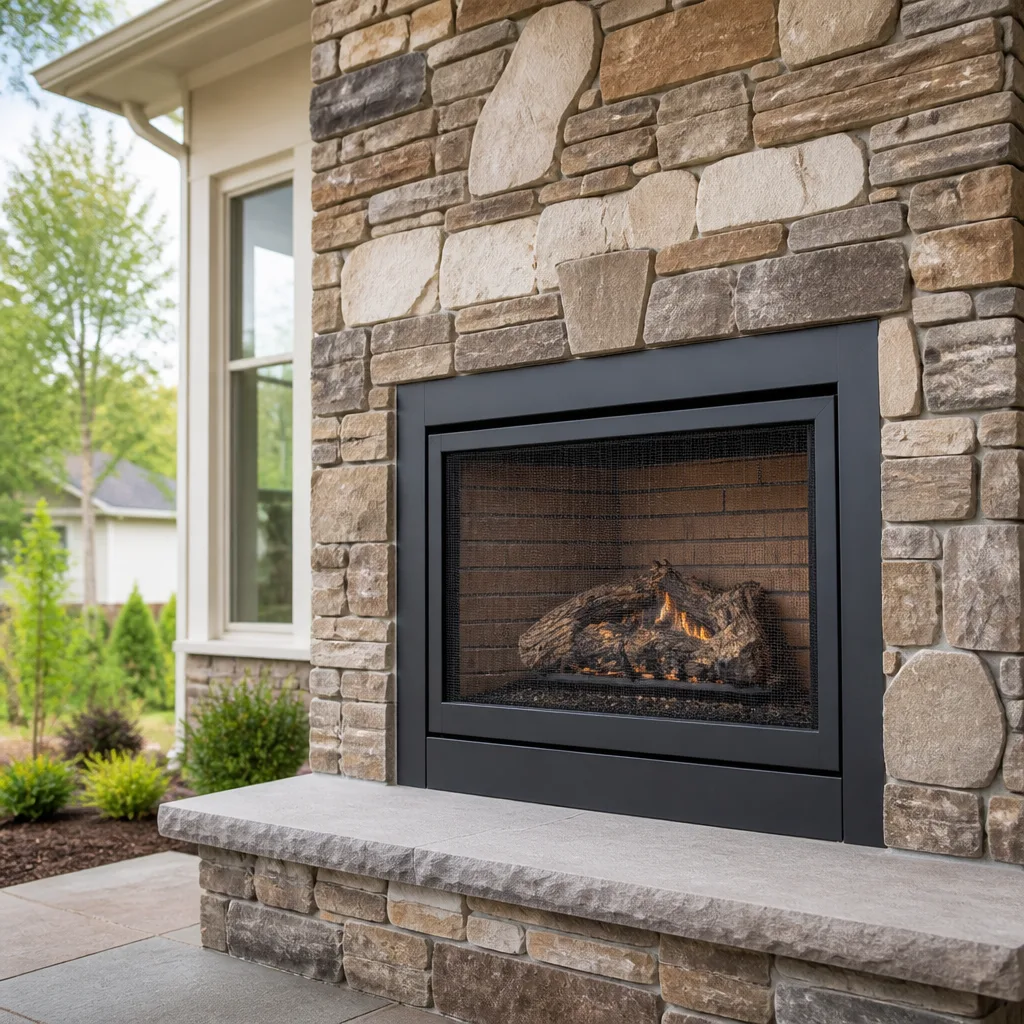 Gas fireplace service
Level 1 sweep and inspection to the NFPA 211 annual standard - flue, crown, cap, and flashing checked and photographed
Chimney sweep logs do not sweep chimneys. They loosen some creosote - which then falls where a brush and vacuum still have to collect it.
Chimney Cleaning Cost Breakdown: The Springville Homeowner’s Reference for 2026
A $79 chimney cleaning and a $249 chimney cleaning in Springville can describe the exact same job, or two completely different scopes of work. The price on its own tells you almost nothing until you know what’s included, who’s doing it, and whether the add-ons on the quote are real or reflexive. That gap between the low number and the high number is where most homeowners get lost. This guide breaks down what cleaning actually costs in the Springville market for 2026, what legitimate add-ons run, how gas and wood systems price differently, and how to read a repair estimate so the scope matches the price. By the end you’ll be able to compare two quotes line by line instead of just glancing at the total.
Quick Answer
A standard chimney cleaning in Springville typically runs $150 to $300 depending on the system type, how accessible the flue is, and whether a camera inspection is bundled in. Gas insert and wood stove flues often sit at the lower end because they produce less creosote and soot; open wood-burning fireplaces sit higher because there’s more to remove. Repairs quoted after an inspection are separate and should always be itemized with photos.
Styles & brands we work with
- Sweep & inspection
- Caps & crowns
- Flue relining
- Masonry repair
- Gas fireplace service
Table of Contents
- What actually drives the price of a chimney cleaning in Springville
- What a baseline cleaning should include in 2026
- Legitimate add-on services and what they cost
- Camera inspection pricing: when it’s worth paying for
- Wood fireplace vs. gas insert vs. wood stove: why prices differ
- How repair estimates should be scoped and quoted
- The real cost of skipping a season
- How to choose a chimney sweep in Springville
What actually drives the price of a chimney cleaning in Springville
Cleaning prices in Springville aren’t random. They follow a handful of variables that a reputable sweep will be upfront about before the work starts. When a quote comes in low, one or more of these variables is usually being handled differently: a shorter flue, a system that hasn’t been used much, or a scope that leaves out the inspection.
The biggest single factor is system type. An open wood-burning fireplace with a masonry flue generates more creosote and ash per season than a sealed gas insert, and the sweep has more surfaces to clean. A wood stove flue sits in between. The second factor is flue length and access. A straight vertical flue is faster to sweep than one with offsets or an exterior chase, and roof pitch affects how long setup takes. Third is whether the quote includes a visual inspection of the firebox, damper, and cap, or just the brush-and-vacuum pass.
Springville sits in a mountain valley where winter inversions trap cold air and wood smoke near the ground. That means many households burn steadily through the cold months, and creosote buildup can be heavier than in milder climates. If you’ve burned a lot of green or unseasoned wood this winter, expect the sweep to spend more time on the flue. That’s a cost of the work, not an upsell, and a good sweep will explain it before they start.
The three variables most often quoted
- System type: gas insert, wood stove, or open wood fireplace
- Access and flue configuration: straight versus offset, roof pitch, chase versus masonry
- Inspection depth: visual only versus camera-assisted
If you call a sweep and they give you a firm number without asking about any of these, treat the number as a placeholder, not a price. Chimney Sweep Springville inspects before recommending, and the written estimate sets the final cost.
What a baseline cleaning should include in 2026
A baseline chimney cleaning in Springville should cover the full flue from the firebox to the top of the chimney, plus a visual check of the components that touch it. If a sweep quotes you for “a sweep” and nothing more, ask what the scope actually includes. Here’s what a fair baseline looks like in the 2026 market.
- Drop cloths and containment set up around the hearth before any brushing begins.
- Brush and rod sweep of the full flue from the top down, matched to the flue size and liner material.
- Vacuum with HEPA filtration running during the sweep to capture soot and dust at the source.
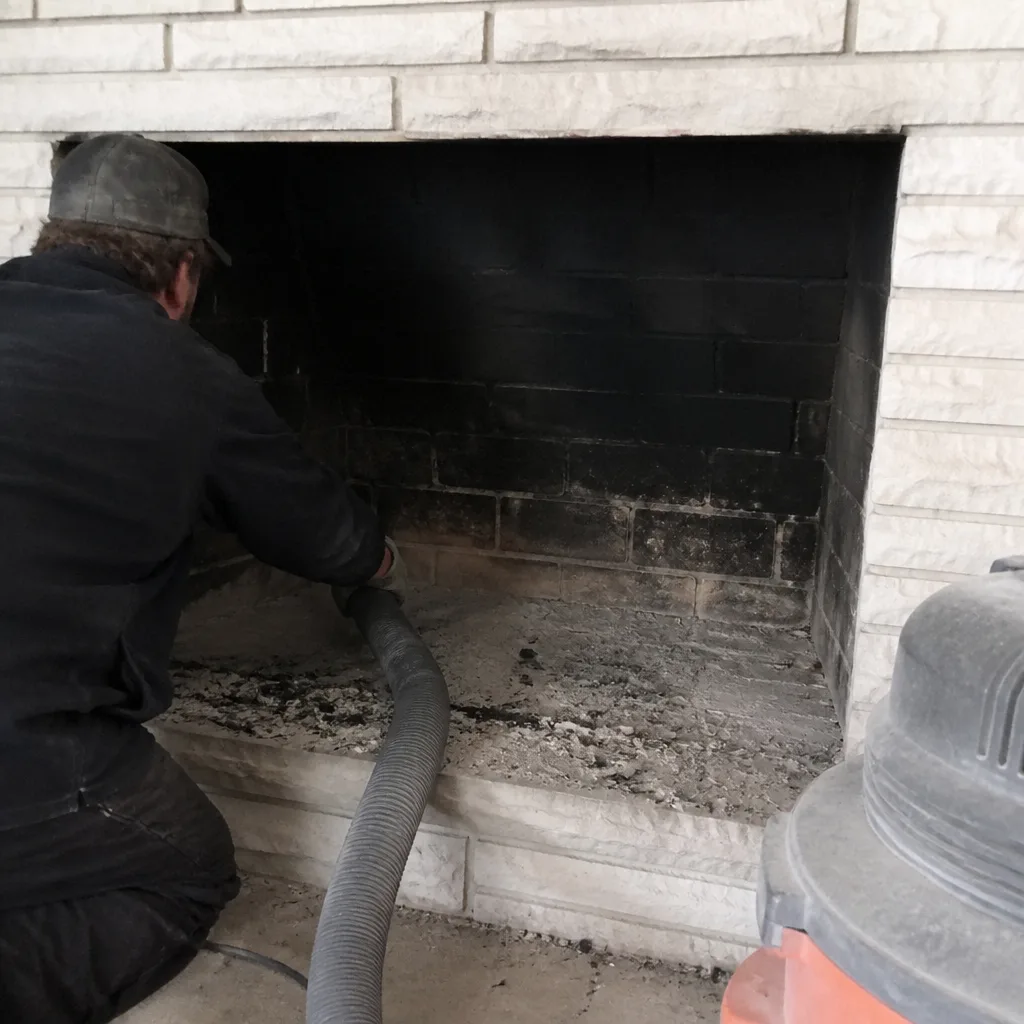
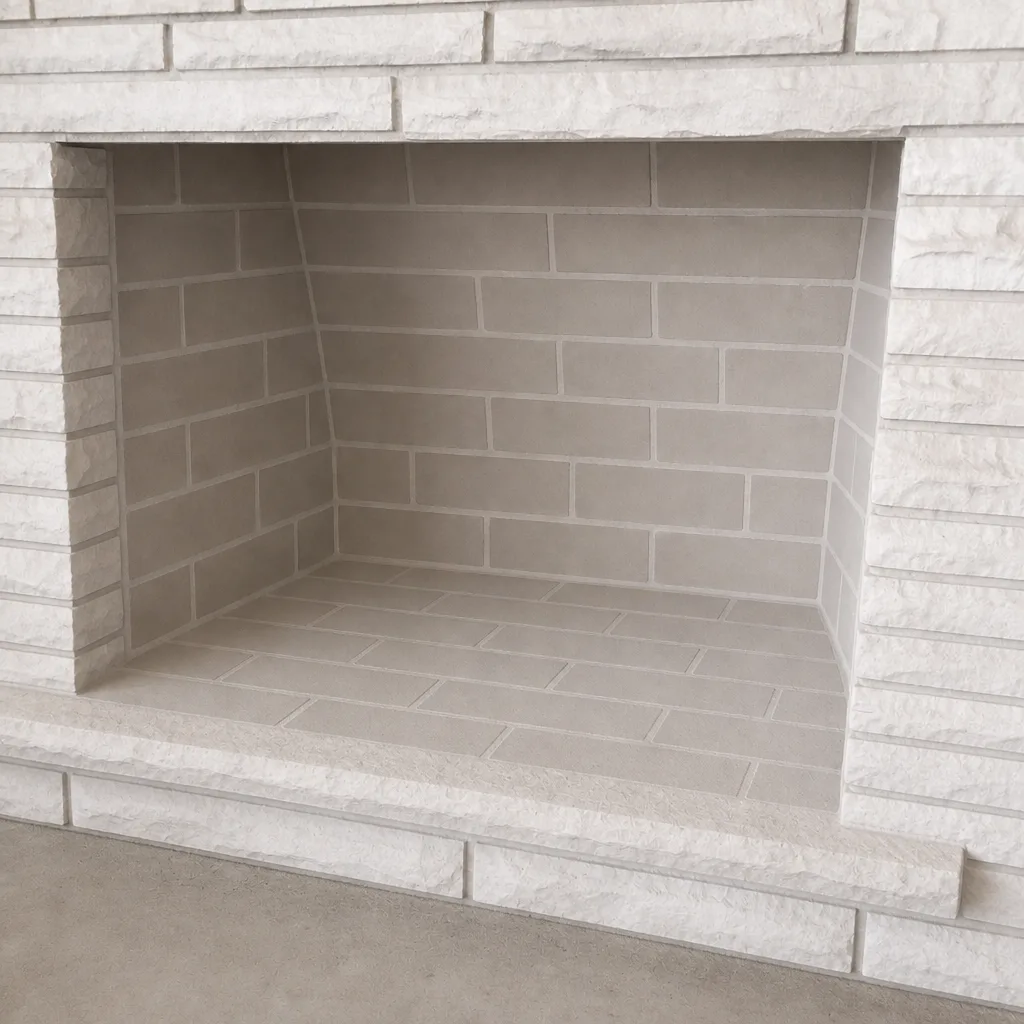
- Firebox and smoke chamber cleaning so soot doesn’t gather where the fire actually burns.
- Damper check to confirm it opens, closes, and seats correctly.
- Cap and crown visual check from the roof or from grade, noting any cracks, corrosion, or animal intrusion.
- Written findings shared with you before the sweep leaves, including a photo of the flue.
That scope, done on a standard single-flue wood-burning fireplace, typically lands in the $150 to $300 range in Springville for 2026. A gas insert with a sealed flue is often at the lower end because there’s less creosote and less surface area. A tall masonry chimney with an offset flue or a steep roof pitch can push toward the upper end. Anything meaningfully below $100 is worth a hard look at what’s being skipped, especially the inspection step, which is the part that actually tells you whether your chimney is safe to burn in.
Annual sweeping is a safety standard, not a nice-to-have. The National Fire Protection Association recommends an annual inspection, and if your Springville home has burned a cord of wood or more this winter, a cleaning is usually the right call alongside it. If you’re starting from scratch and want the broad picture of what we do, start with our chimney sweep service page.
Legitimate add-on services and what they cost
Add-ons are where a fair quote and an inflated quote look most different. Some add-ons are genuinely needed the moment they’re found; others are quoted reflexively on every job whether or not the chimney needs them. The line between the two is evidence: a photo, a camera reading, or a visible crack.
Add-ons that are worth paying for when the evidence supports them
- Chimney cap replacement: typically $150 to $350 installed. Caps keep rain, snowmelt, and animals out. A corroded or missing cap is one of the two most common sources of water intrusion we see in Springville chimneys. We source caps from professional supply lines like Gelco and Famco.
- Crown repair or rebuild: typically $250 to $600 depending on the size of the crown and the condition of the mortar. The crown is the concrete cap at the top of the chimney that sheds water away from the flue. A cracked crown lets water into the masonry every time it rains or snow melts.
- Flue tile resurfacing: typically $800 to $2,000 per flue depending on length and tile condition. HeatShield resurfacing is a proprietary system for restoring deteriorated flue tiles without full demolition. It’s a genuine alternative to a full reline when the tiles are cracked or spalling.
- Liner replacement: typically $2,000 to $4,500 depending on length, liner type, and access. A DuraFlex flexible liner system is the kind of product we install when a flue needs a new high-temperature liner.
- Masonry repointing: cost varies by square footage; anything on a repair quote should be itemized.
Add-ons quoted reflexively that you should push back on
Be skeptical of any of these appearing on a quote before the inspection has actually found a problem:
- A liner quote on a first visit with no camera footage shown to you
- A “treatment spray” with no named product or documented purpose
- Masonry work quoted without photos of the mortar joints in question
- A cap replacement when the cap is intact and seated correctly
- Any line item labeled “restoration” or “sealing” with no description of what’s being sealed or restored
The honest version is simple: we recommend what the camera shows, and we’ll tell you when a repair can safely wait a season. That’s the standard to hold any sweep in Springville to, whether it’s us or someone else.
Camera inspection pricing: when it’s worth paying for
Camera inspection in Springville typically runs $75 to $150 when it’s charged separately from the cleaning. On some quotes it’s bundled; on others it’s a line item. The question worth asking isn’t whether you should pay for it, but whether the camera is being used to find something or just to justify a repair quote.
A chimney camera is a small, articulating scope that travels up the flue and records what the tiles look like from the inside. It’s the only way to see cracked tiles, gaps in mortar joints, or a liner that’s come loose high up in the flue. Without it, a sweep is guessing at the condition of the inside top of the chimney based on what they can see from the bottom and the roof line. On an older home, or on any flue that’s been through more than ten burning seasons, that guess can miss a lot.
When camera inspection is worth paying for
- Your home is more than 20 years old and you don’t know when the flue was last inspected.
- The chimney has had a flue fire in the past, even a small one.
- You’re switching fuel types, adding a wood stove, or installing a gas insert.
- A previous sweep recommended a liner or repair you haven’t verified.
- You’ve noticed staining on the chimney exterior or “ghosting” on the inside wall near the chimney.
When it’s being charged redundantly
If you had a camera inspection last season and no work was recommended, the flue hasn’t changed enough to need another on a standard annual cleaning. A visual inspection is usually sufficient on a newer flue that’s been maintained, especially on a sealed gas insert with a short flue run. If a sweep is quoting camera work every single season without noting why, that’s a signal to ask what they expect to find and what they’d do differently if the camera showed a clean flue. Photo evidence should be shared with you before any repair is booked. If they won’t share the footage, book with someone who will.
Wood fireplace vs. gas insert vs. wood stove: why prices differ
The three common systems in Springville homes clean at different prices because they produce different amounts and types of deposits, and because their flues are configured differently. Understanding why helps you sanity-check a quote.
Open wood-burning fireplace
Typically $180 to $300 for a cleaning in Springville. Open fireplaces burn inefficiently and produce more creosote and ash than any other system, and the smoke chamber above the damper is a big, angular surface where soot collects. The sweep has to brush the flue, vacuum the smoke chamber, and clean the firebox. On a masonry chimney with an offset, add setup time.
Gas insert or gas log set
Typically $150 to $250. Gas systems don’t produce creosote in the same way wood does, but they do produce a fine, corrosive residue and can leave debris in the flue. The bigger service need on a gas insert is the firebox, burner, and venting check, not a heavy flue sweep. If your gas insert has a sealed direct vent, the annual service may focus more on the appliance than the flue, which affects the price. Our fireplace repair work often overlaps with this kind of service on gas units.
Wood stove flue
Typically $175 to $275. Wood stoves are more efficient than open fireplaces, so they produce less total volume of creosote, but the flue is often smaller and can be harder to access from the top depending on the roofline. A stove that runs hot and clean needs less work; a stove that’s been damped down and smoldered builds creosote faster.
The reason these prices sit in different ranges isn’t a markup on gas or a discount on stove work. It’s that the scope of the job genuinely differs. When you compare two Springville quotes for the same system and the prices are far apart, ask both sweeps to describe what they’ll actually do, step by step. The one that names the smoke chamber, the firebox, and the cap is usually the one whose price is real.
How repair estimates should be scoped and quoted
Repair quotes are where the biggest gap between fair and inflated pricing lives. A chimney inspection can find anything from a hairline crack in a crown to a fully deteriorated flue. The quote that comes after should read like a work order, not a proposal, and it should be specific enough that another sweep could quote the same job from the same information.
What a well-scoped repair estimate looks like
- A photograph or camera still of the problem. Not a stock image, not a diagram. Yours.
- A plain-language description of what’s wrong and why it needs attention now versus later.
- Line-item pricing broken out for labor and material, not one lump sum.
- The product specified by name where it matters (e.g., a HeatShield resurfacing versus a full DuraFlex reline).
- Separate pricing for anything optional so you can see what the must-do number is.
- A written estimate that sets the final price. Nothing should be added mid-job without your approval.
Vague line items to push back on
- “General chimney repair” with no scope described
- “Masonry rebuild” with no square footage or joints named
- “Liner install” with no liner brand, type, or length given
- “Sealing” with no product specified
- Any line item with the word “restoration” or “tune-up” and no description
If you’ve had a repair quote in Springville that reads like a list of boxes, we’re happy to take a second look. Our chimney repair work is scoped the same way from the firebox to the cap, and the written estimate sets the price. If a repair can wait a season without risk, we tell you that too. That’s a big part of why we work with established supply lines like Olympia Chimney and Copperfield: the parts hold up, the scope is repeatable, and you can see exactly what you’re paying for.
The real cost of skipping a season
Skipping one cleaning season rarely causes a catastrophe. What it does do, without drama, is quietly raise the cost of the next one. Creosote doesn’t stop building when you stop sweeping; it thickens on the flue wall and hardens into a glaze that takes longer to remove. The next cleaning costs more because it’s more work. That’s the honest version.
The bigger cost shows up in the inspection. An annual inspection catches a small crown crack or a failing tile before it becomes a masonry repair. Deferred one or two seasons, that same crack lets water into the chimney every time it rains or the snow melts. Water in the masonry means rusted dampers, spalled brick, and eventually a repair that runs into the thousands. Cleaning and inspection are the preventive side of chimney ownership; repairs are what happens when prevention gets pushed out. From a purely financial view, the cheapest thing you can do for a chimney is have it looked at once a year.
There’s also the burning-season efficiency side. A sooted-up flue draws poorly, and a fire that doesn’t draw pulls smoke back into the room. It’s not a safety emergency, but it’s a problem you paid for heat to run into. In a Springville winter with an inversion holding smoke low, a poorly drawing chimney is a nuisance you don’t need. Cleaning once a year keeps the draft consistent.
The safety side is the one to take seriously. Creosote is the material that fuels chimney fires, and carbon monoxide is the gas a blocked or cracked flue can let into a home. Both are established risks, not scares. Having your chimney looked at and cleaned each year is the routine step that keeps those risks small. If you want the full picture of what a proper annual visit covers, our Chimney Sweep Springville guide walks through the whole process from the firebox to the cap.
How to choose a chimney sweep in Springville
Springville has enough sweeps working the market that pricing will vary, and enough that picking the right one is worth a little care. Here’s what to look for, in order of what actually matters.
- Chimney-only specialization. A specialist’s tools, training, and product knowledge stay focused on one system. A general handyman who sweeps on the side is a different category of service, and often a different category of price.
- Inspection before recommendation. The sweep should look, show you what they found, and then recommend. Not the other way around.
- Photo and camera evidence for any repair. If it isn’t shown to you, don’t book it.
- Written estimates that set the price. Verbal numbers change; written scopes don’t.
- Professional-grade materials. If a liner or cap is being installed, the brand should be named. DuraFlex, HeatShield, Gelco, and Famco are the kinds of products certified professionals specify.
- Honest “wait” advice. A specialist will tell you when a repair can safely wait. Someone quoting thousands on a first visit with no evidence has a different incentive.
Our technicians have up to 12 years of experience, and they work on chimney systems exclusively. That focus is the whole point of choosing a specialist. When you’re comparing a low quote and a higher one, the question isn’t which is closer to $79. It’s which one describes the scope you actually need, with evidence you can see.
Common Mistakes to Avoid
- Comparing totals instead of scopes. A $79 cleaning and a $249 cleaning can be the same sweep or two completely different jobs. Ask both what they’ll do, in order, and compare those lists.
- Paying for a camera inspection on a new, sealed gas flue with no history of problems. It’s not unsafe to pay for one, but it’s usually redundant. Save the camera for older flues or anything with a repair history.
- Booking a liner replacement on the first visit with no footage shown. This is the single most expensive add-on in Springville chimney pricing, and it should never be booked on a first visit without clear camera evidence you can look at yourself.
- Waiting until the first cold snap to book. Springville’s burning season starts fast, and the calendar for a fall cleaning fills up. Late summer and early fall are the least expensive and least rushed times to book.
- Skipping the annual inspection when you only burned a little this winter. “Little” varies by household, and the inspection is what tells you whether you crossed the line into needing a cleaning.
- Not asking what a “restoration” or “tune-up” line item actually covers. If the answer isn’t a named material or a described scope, don’t pay for it.
- Choosing someone who doesn’t work on chimneys exclusively. Chimney systems have their own code references, materials, and terminology. A specialist will catch what a generalist won’t.
See the difference
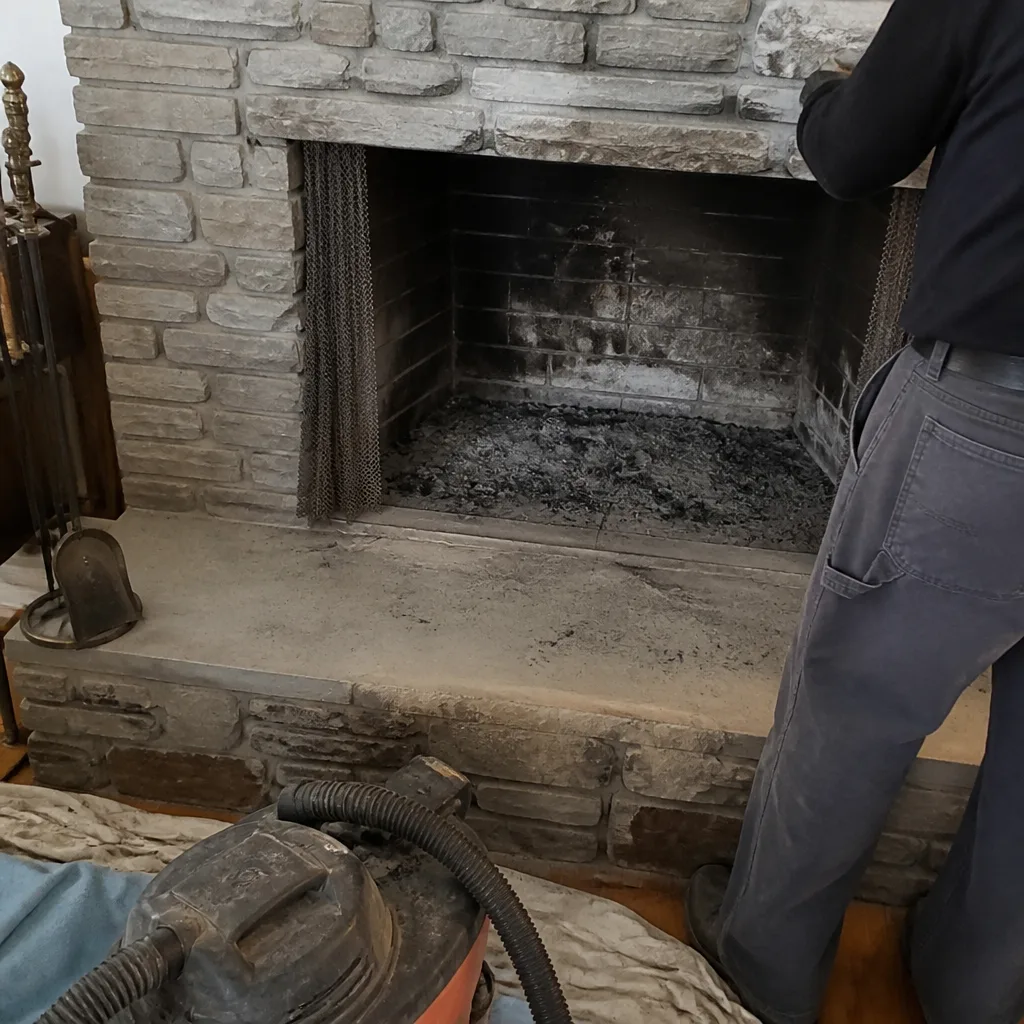 Before
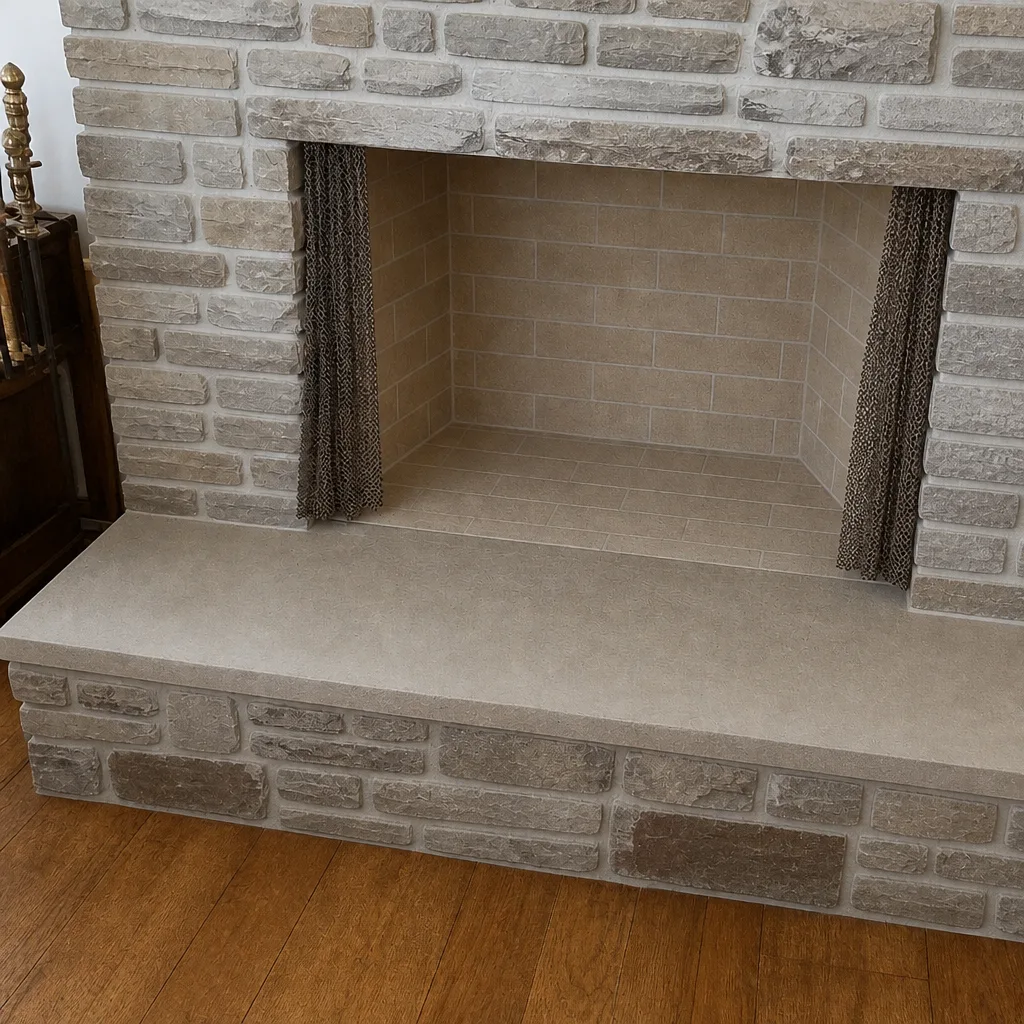 After
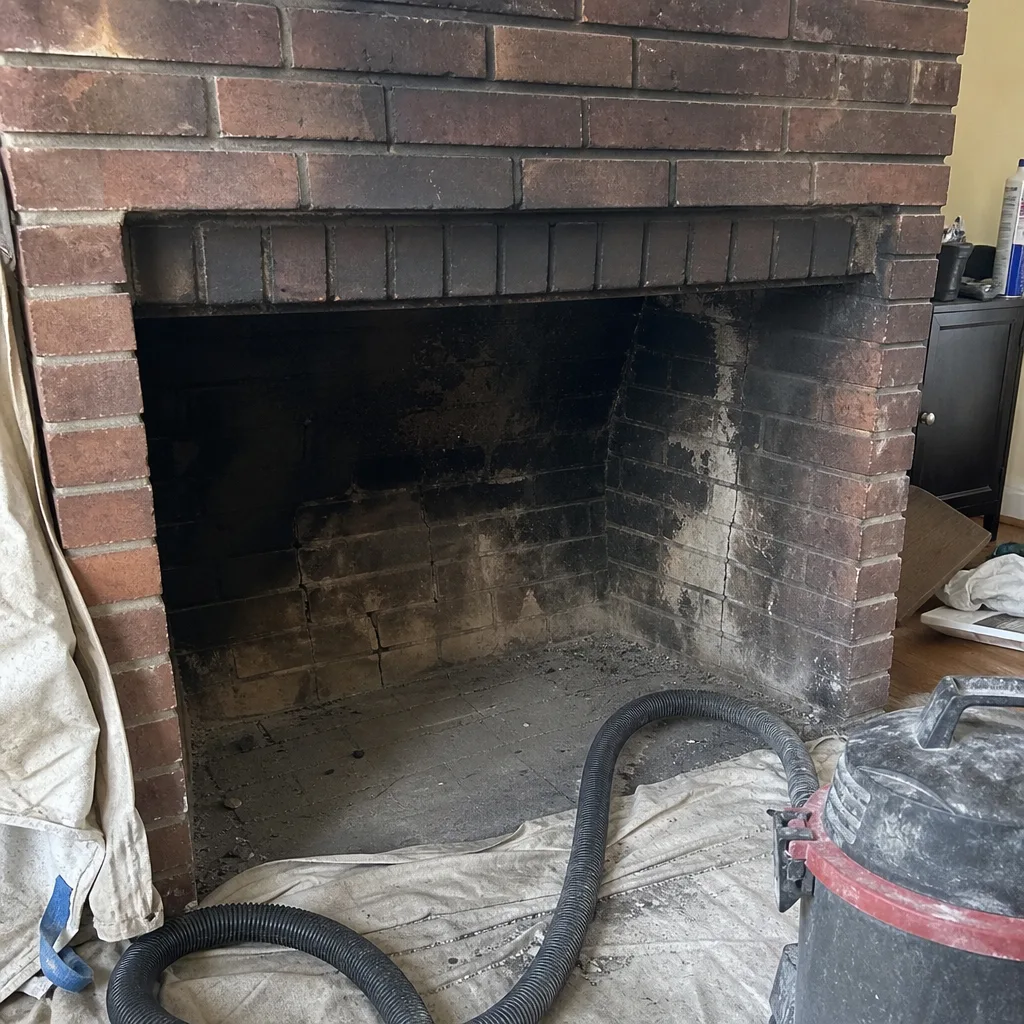 Before
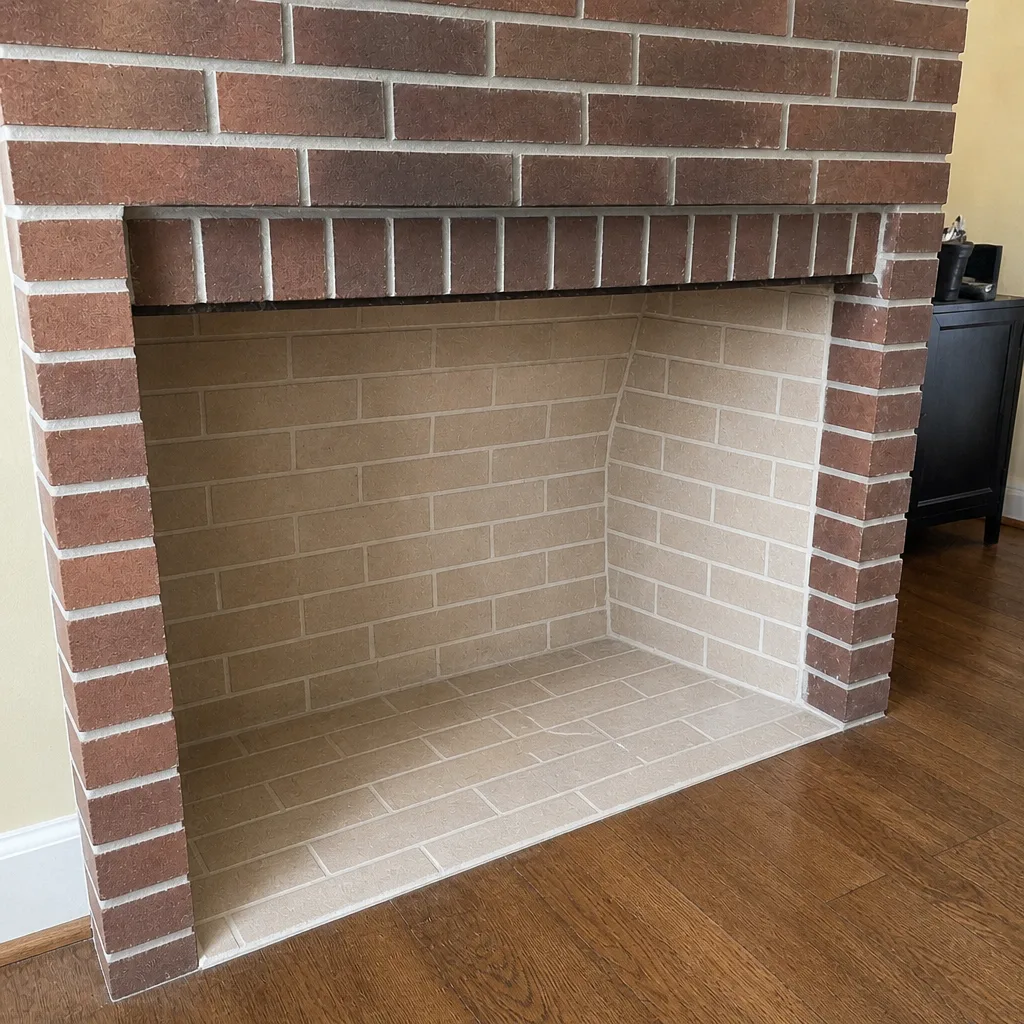 After
 Before
 After
When to Call a Professional
Some jobs in a chimney aren’t for a homeowner with a brush and a flashlight. Call a professional when you’ve had a chimney fire, however small; when you smell smoke in the house with the damper open; when you see staining or rust on the chimney exterior; when the firebox has visible cracks or crumbling mortar; when the cap is missing, loose, or corroded; or when you’re switching fuel sources, adding a stove or insert, or the flue hasn’t been inspected in more than a year. Any of those is reason enough to book an inspection.
There’s also a hard safety line here. High-tension springs and cables have no place on a chimney, but the flue and firebox work around them are just as consequential: a cracked flue tile or a failed smoke chamber can let carbon monoxide into living space. That’s not a job to troubleshoot from a ladder. A trained sweep on the roof and at the firebox is the right call. Chimney Sweep Springville offers free estimates in Springville – call (888) 469-8196. We answer 24/7. Fast dispatch from 7am to 7pm, Sunday through Friday.
Frequently Asked Questions
A standard chimney cleaning in Springville typically runs $150 to $300 for 2026, depending on your system type and flue configuration. Gas inserts run at the lower end, wood stoves in the middle, and open wood-burning fireplaces toward the top. Call (888) 469-8196 for an exact quote – estimates are free.
You need a new liner when the camera shows the existing tiles are cracked, spalling, or missing, or when the current flue is unsafe for the appliance you’re running. It’s a real need when there’s footage of it. It’s an upsell when someone quotes a liner on a first visit without showing you the inside of the flue. Ask to see the picture. If it isn’t offered, don’t book the work. Call (888) 469-8196 for a second opinion – estimates are free.
Most Springville homes should have the chimney swept and inspected once a year, and definitely before each burning season. If you burn more than a cord of wood a year, or burn a lot of green wood, you may need a mid-season cleaning too. If you barely burn, an annual inspection is still the standard to hold, because it’s the check that tells you whether a cleaning is even needed. Call (888) 469-8196 to book – estimates are free.
Creosote keeps building on the flue wall and hardens, which makes the next cleaning cost more and take longer. The bigger risk is missing a small crown crack or failing tile that turns into a masonry repair after a wet winter. It’s rarely an emergency, but it’s consistently more expensive to defer than to maintain. Call (888) 469-8196 to get on the schedule – estimates are free.
Gas inserts produce a much smaller volume of creosote and soot than open wood fireplaces, so there’s less to brush and less time on the roof. The work focuses on the burner, firebox, and venting rather than a full flue sweep. The price difference tracks the real difference in scope, not a discount or a markup.
Chimney cap replacement typically runs $150 to $350 depending on the cap size and the chimney configuration. A corroded, missing, or loose cap is one of the two most common sources of water intrusion we see in Springville chimneys, and it’s a repair worth doing promptly. Call (888) 469-8196 for an exact quote – estimates are free.
The Bottom Line
Chimney cleaning prices in Springville vary more than homeowners expect, and that’s fine, because the variation tracks what’s actually in the scope. A fair cleaning covers the full flue, the firebox, the damper check, and a written findings report with photos. A fair add-on is one the camera or an inspection actually found, quoted by name and material. A fair repair estimate names the product and the old part it replaces, and leaves the optional work on a separate line. When you compare two quotes in 2026, compare those lists, not the totals. If a quote feels vague, ask questions. And if you want an inspected, evidence-backed estimate, we’re ready to help.
Call (888) 469-8196 for a free estimate. We answer 24/7. Fast dispatch from 7am to 7pm, Sunday through Friday.
Written by the team at Chimney Sweep Springville.