
Last updated November 23, 2026
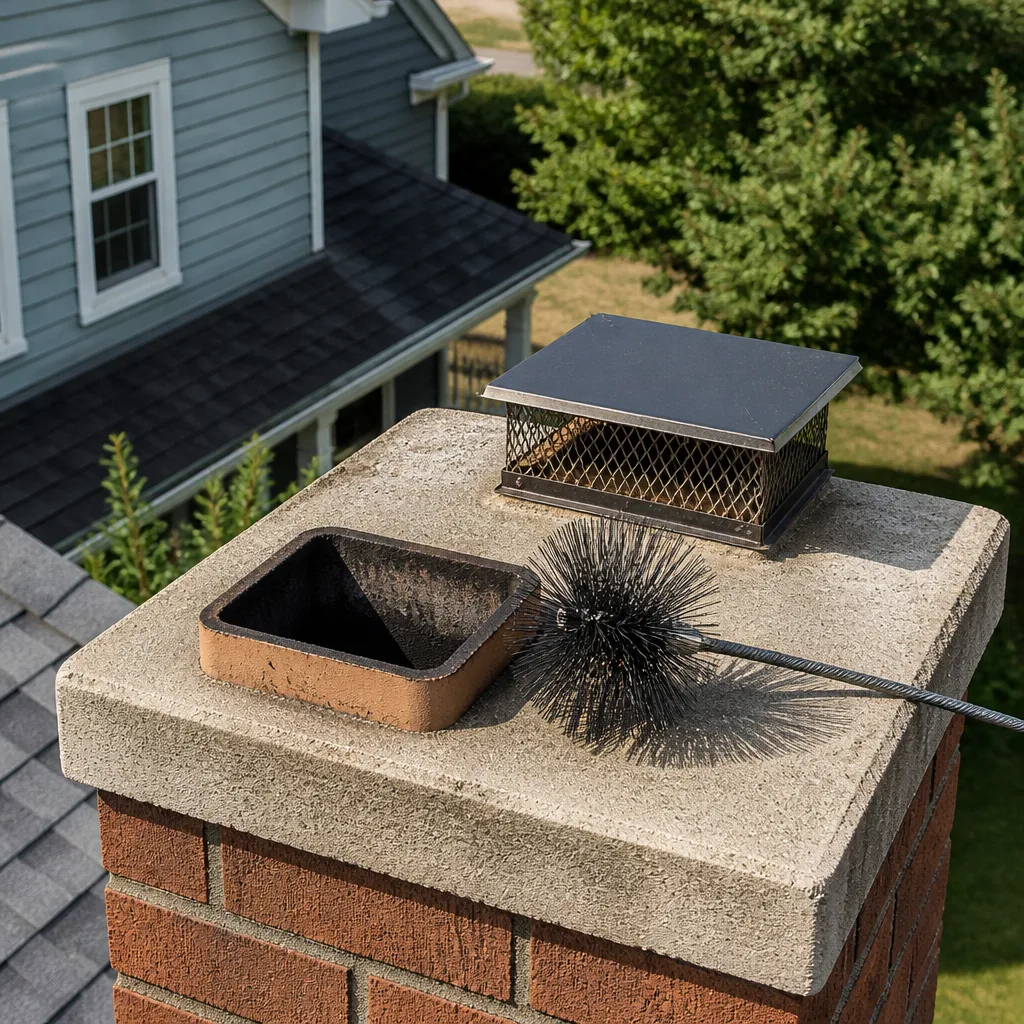 Sweep & inspection
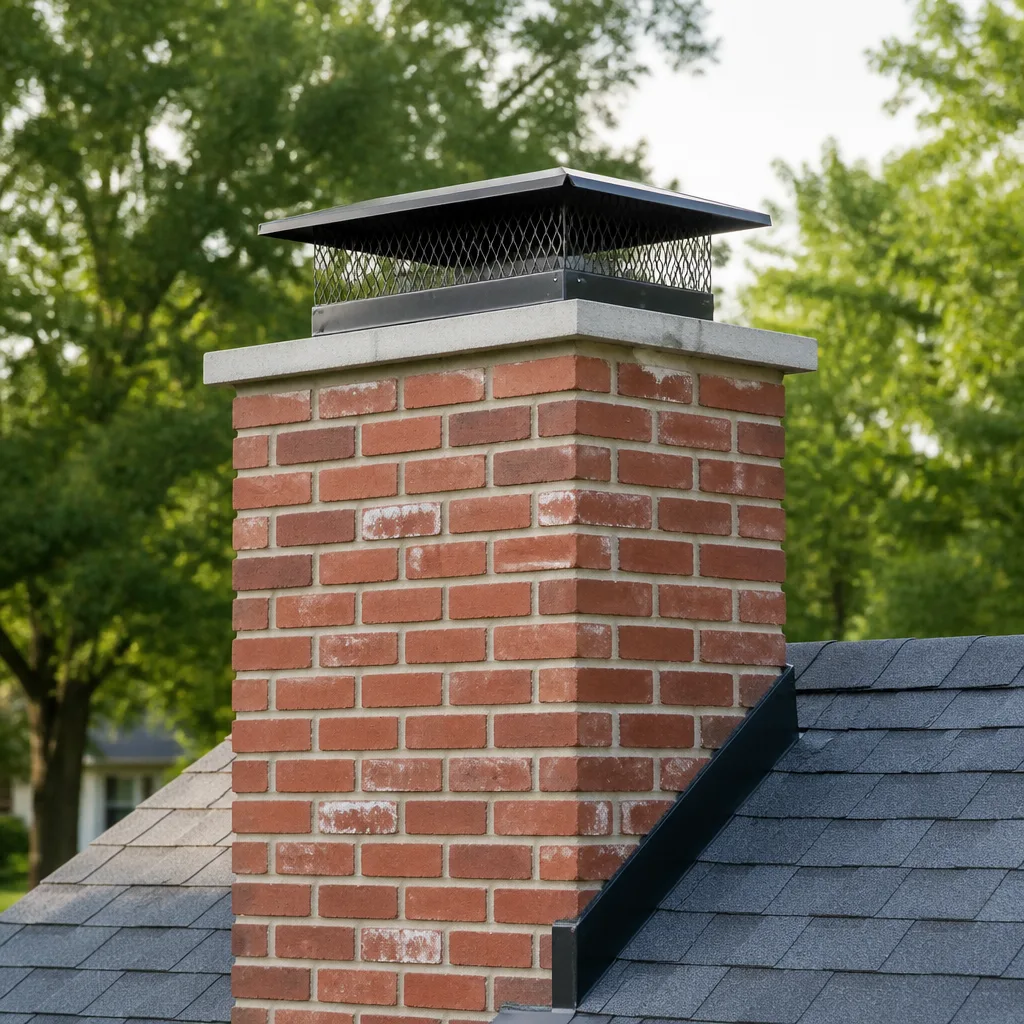 Caps & crowns
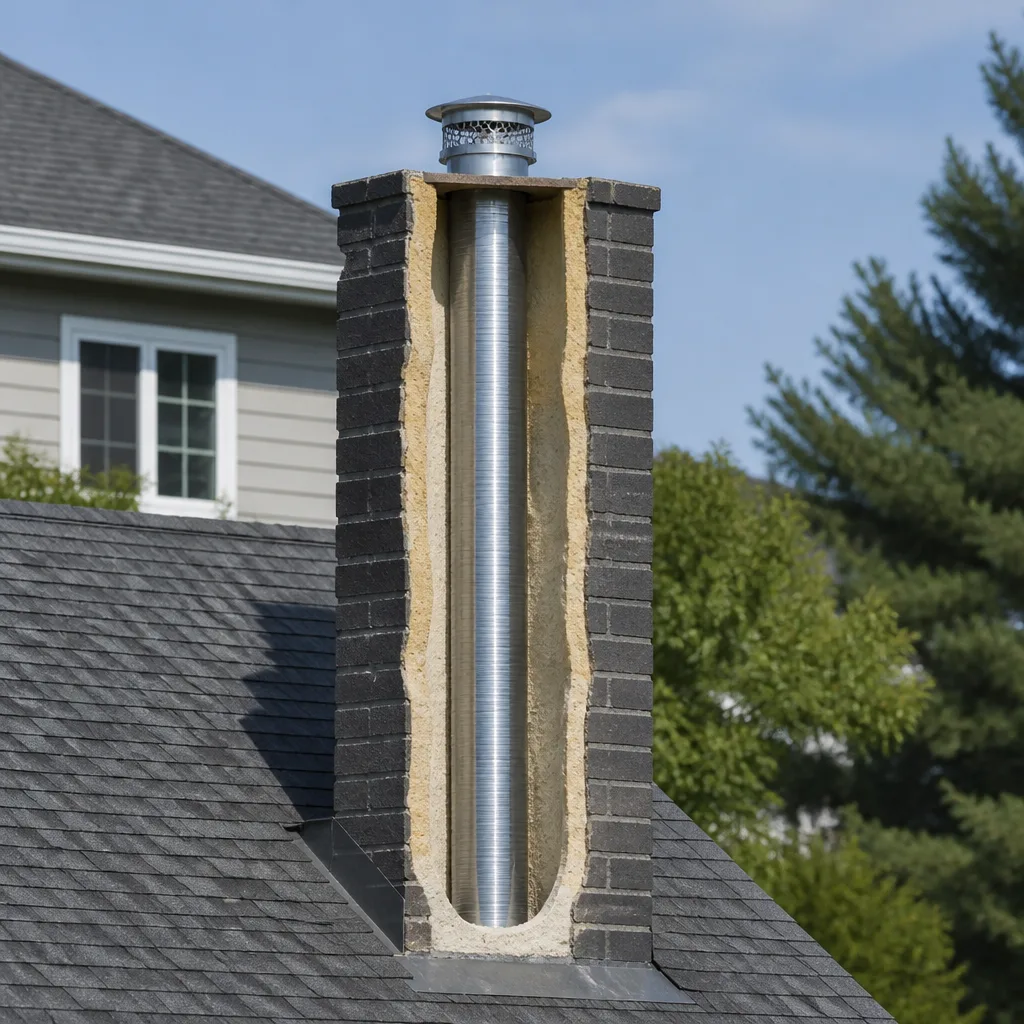 Flue relining
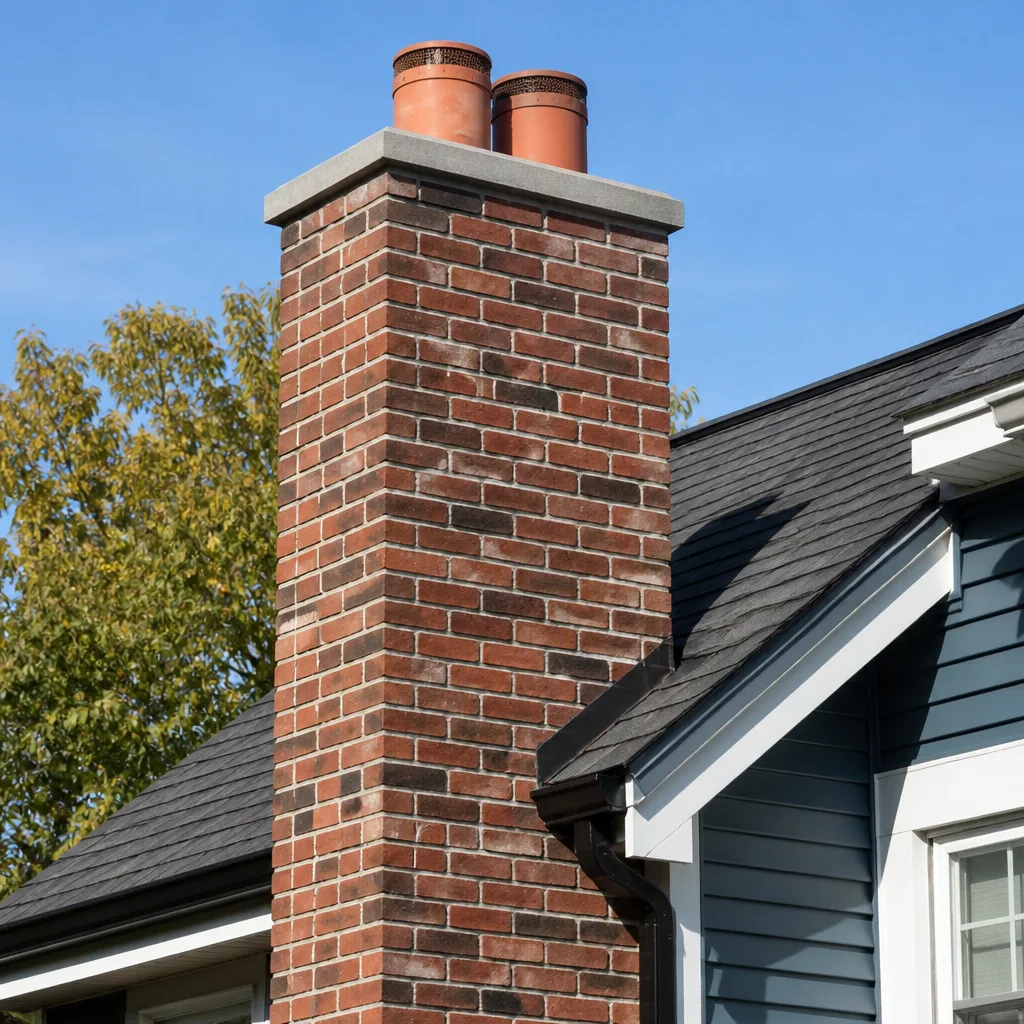 Masonry repair
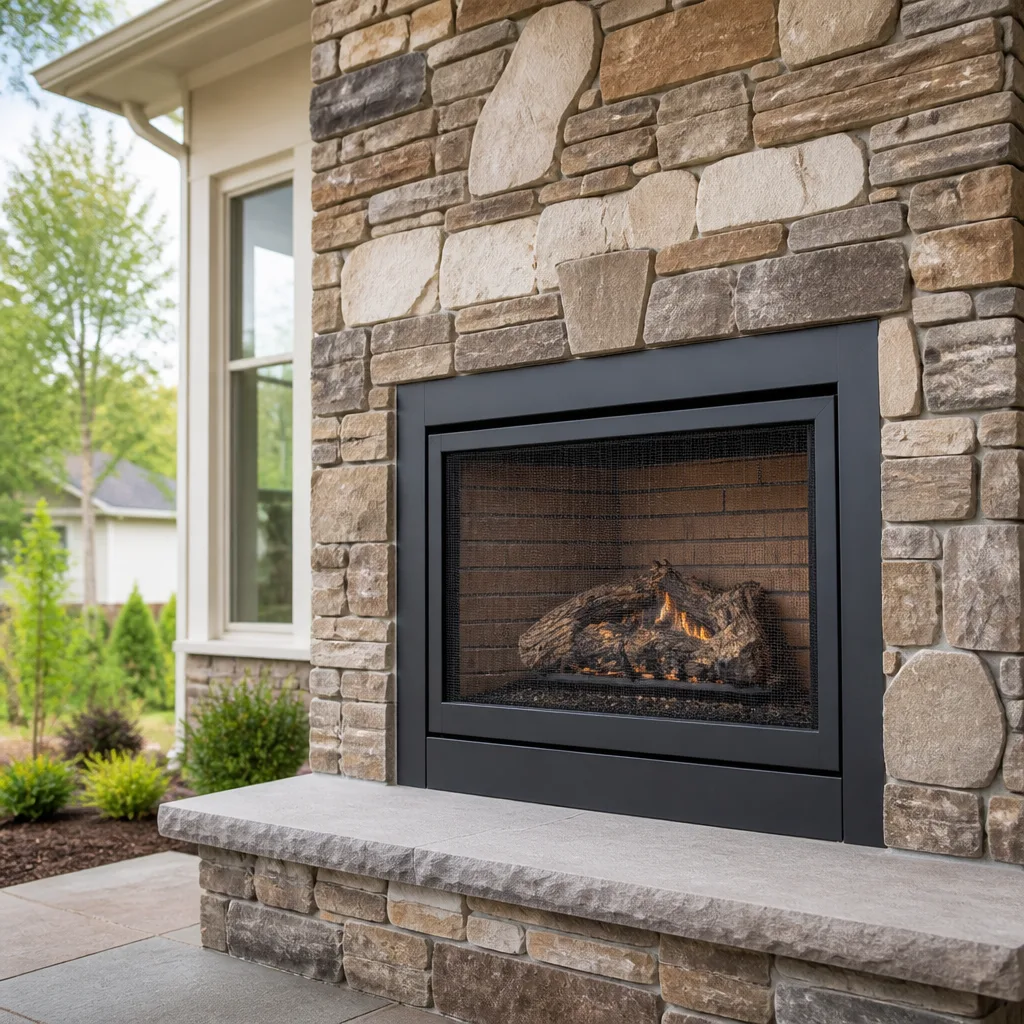 Gas fireplace service
Level 1 sweep and inspection to the NFPA 211 annual standard - flue, crown, cap, and flashing checked and photographed
Chimney sweep logs do not sweep chimneys. They loosen some creosote - which then falls where a brush and vacuum still have to collect it.
Seasonal Chimney Cleaning Care for Springville: Year-Round Homeowner’s Guide
Most Springville homeowners think about their chimney once a year, usually in late October, when the first cold snap finally pushes a long-idle flue back into service. By then, the ideal cleaning window has already closed. That late start means an untested chimney meets its first fire of the season with a summer’s worth of creosote sitting in the flue and a crown that may have cracked through the freeze-thaw cycle. This guide maps a different calendar: the actual Springville year, with a cold spring, a dry summer fire season, and an early inversion window in October. You’ll learn when to sweep, what to inspect after the burn season, and how to build a 12-month schedule that fits this valley’s climate instead of a generic fall-and-forget rhythm.
Quick Answer
The best time to schedule chimney cleaning in Springville is August or early September, before burn season begins and before the October inversion and first cold snaps crowd the calendar. Spring cleaning and crown inspection follow the end of the burn season, and summer is the window for pest control, moisture checks, and masonry drying. A rolling 12-month schedule tied to Springville’s real weather, not the standard fall-or-spring model, keeps a chimney safer and catches small repairs before they become structural ones.
Styles & brands we work with
- Sweep & inspection
- Caps & crowns
- Flue relining
- Masonry repair
- Gas fireplace service
Table of Contents
- Why Springville’s Chimney Calendar Isn’t the Standard Two-Season Model
- The Case Against Late October: Why August Wins
- Red Air Quality, Inversions, and What They Mean for Your Flue
- Spring Tasks: Freeze-Thaw Crown Inspection and Storm Damage
- Summer Chimney Care: Pests, Monsoon Moisture, and Masonry Drying
- Building a Rolling 12-Month Chimney Schedule
- What a Proper Inspection Covers
- Common Mistakes to Avoid
- When to Call a Professional
- Frequently Asked Questions
Why Springville’s Chimney Calendar Isn’t the Standard Two-Season Model
Most chimney care advice is written for a place with two clear seasons: burn all winter, clean all spring, leave it alone until next fall. Springville doesn’t work that way. The valley runs a cold spring that lingers well into April and sometimes May, so heating season can extend longer than the calendar suggests. Then comes a dry summer where fire season degrades air quality on the surrounding ridges and into the valley. By October, an early inversion window settles over the valley floor and traps smoke and particulates near the ground. Three distinct pressures, all landing at different times, which is why a simple two-season model misses real chimney work here.
What that means for a Springville homeowner is that your chimney is in use, or exposed to weather that stresses it, across more of the year than the standard advice accounts for. A cold spring that keeps you feeding the fire into May means creosote keeps building well after most schedules say the season is done. A dry summer that stresses the masonry through heat and sporadic storms means cracks open when nobody’s looking. And an October inversion means the first fires of fall meet a flue that was never cleaned because the cleaning was scheduled for late October, after the fires already started.
We’ve worked enough Springville chimneys to see the pattern clearly: the homes with the fewest surprises are the ones cleaned and inspected before burn season, not during it. The rest of this guide walks through the actual Springville year, season by season, and shows you where each task belongs.
The Case Against Late October: Why August or Early September Wins
Late October feels logical. The cold is arriving, you’re about to light the first fire, so that’s when you clean. The problem is timing and access. By late October, the first cold snaps have already pushed untested flues into service, and every other household in Springville has had the same idea about scheduling. Book a cleaning for the last week of October and you’re competing for an appointment in the exact window when a chimney needs attention most.
August and early September are the practical sweet spots for three reasons:
- The flue is idle and clean-out is easy. Summer soot has settled and there’s no active fire in the way. A sweep in August starts the season with a clean flue, not a mid-season one.
- Repairs found in August can be finished before the fires start. If the inspection turns up a cracked crown or a deteriorated flue liner, there’s time to schedule the work without a mad scramble. A Hairline crown crack found in August is a small repair. The same crack found in November, after the first hard freeze, is often a bigger one.
- You skip the October rush. When the whole valley schedules at once, appointments compress. Booking in August means you’re not calling around for a slot after the first cold night.
If you’ve already missed August, that’s not a reason to skip the cleaning. It’s a reason to book the earliest opening and get the flue clean before heavy use. The August window is a convenience; a clean flue before burn season is the standard, and we’ll help you hit it whenever you call.
Red Air Quality, Inversions, and What They Mean for Your Flue
Springville sits in a valley where, in October and through the winter, an inversion can trap cold air and smoke near the ground. On the days when the valley’s air quality turns poor and the red or purple markers show up, the practical advice for any wood-burning household is the same: burn less, and burn cleaner. That’s an air-quality habit as much as a chimney habit, but the two connect directly. On inversion days, a smoky fire puts more particulate into air that can’t disperse it, and a poorly swept flue makes a smokier fire more likely.
When combustion is incomplete (wet wood, a cold flue, poor draft), you get more creosote in the flue and more smoke out the top. On inversion days, that smoke has nowhere to go. That’s the reason clean, dry wood and a properly drafted chimney matter more in Springville than in a place where the air clears every afternoon. Here’s what to do during a red air quality stretch:
- Burn dry, seasoned wood only. Wet wood smolders, produces more smoke, and deposits more creosote. The moisture has to boil off before the fire burns clean.
- Don’t damper the fire down to a slow smolder overnight. A smoldering fire on an inversion night is the worst combination: low heat, high smoke, heavy creosote.
- Watch for smoke rolling back into the room. If your chimney is drafting poorly, you’ll notice it more on inversion days. Rollback is a sign the flue needs attention, not something to shrug off.
- Consider skipping the fire on the worst days. On the reddest days, the cleanest choice is simply not to burn. The chimney will be there when the air clears.
The connection to seasonal cleaning is this: a flue that gets swept before burn season drafts better and smokes less all winter, including on the days when the valley can least afford extra smoke.
Spring Tasks: Freeze-Thaw Crown Inspection and Storm Damage
Once the burn season finally closes, spring is when the chimney’s outer shell gets its checkup. Springville’s late cold and the freeze-thaw cycle are hard on masonry. Water gets into a hairline crack in the crown or the mortar joints, freezes overnight, expands, and widens the crack. Repeat that cycle across a cold spring and small openings become real ones. The tasks that belong in spring are about the chimney’s exterior and its ability to shed water.
- Crown inspection. The concrete crown at the top of the chimney is the first line of defense against water. Look for cracks, spalling, or separation from the flue. A crown that’s failing lets water into the masonry below, which is where expensive damage starts.
- Cap clearing. Spring storms drop debris on the cap and into the flue. A cap that’s clogged with leaves, twigs, or a bird’s nest restricts draft. Clearing it is quick and prevents a smoky start to the next burn.
- Mortar joint check. Freeze-thaw works on the joints between bricks. Crumbling or missing mortar lets water in, and that water freezes again next winter.
- Flashing check. Where the chimney meets the roof, flashing is the seam most likely to leak. Spring is a good time to look at it, because a leak discovered in fall has less time to be fixed before snow.
Spring is also the natural point to schedule any repair the winter revealed. A cap that corroded through the season or a crown that cracked over the cold months is best replaced in the mild weather, not in a scramble before the next burn. Our chimney repair service covers crown and cap work with Gelco and Famco components, and it’s easier on everyone when it’s booked in spring rather than the week before the first fire of fall.
Summer Chimney Care: Pests, Monsoon Moisture, and Masonry Drying
Summer is when the chimney is out of sight and out of mind, which is exactly why it’s the season where small problems take root. Springville’s summer brings two things a chimney has to deal with: pests looking for a dry, protected space, and moisture from summer storms that can soak masonry and then sit there. A chimney that’s inspected only in the fall misses both.
Pests. A chimney with a missing or damaged cap is an open, vertical, sheltered cavity, and birds, squirrels, and insects treat it like real estate. A nest in the flue blocks draft and is a fire risk the first time you light a fire. The long-term fix is a proper cap; the short-term check is to look at the top of the chimney and listen for scratching or chirping.
Moisture from summer storms. In a valley with thunderstorm patterns in summer, rain hits the chimney top and runs down masonry if the crown or flashing is compromised. Masonry that stays wet through the summer can’t dry properly, and moisture in a chimney is behind a lot of the deterioration we see. The masonry drying part is real: brick and mortar need to shed water, and a cracked crown or failed flashing defeats that.
The summer inspection. This is the window to catch what winter and spring left behind and to get a clean flue before the August-cleaning deadline. A summer inspection also lets you plan any liner or resurfacing work with time to spare. If a flue liner has deteriorated, the fix is a job worth scheduling in summer, not in the rush of October. We install DuraFlex flexible liner systems and apply HeatShield resurfacing for exactly this kind of restoration, and both are easier to plan in the dry season.
For more on the fireplace side of summer care, our fireplace repair page covers firebox and damper issues that are easy to address before the season starts.
Building a Rolling 12-Month Chimney Schedule
A rolling schedule means each month has a defined task, tied to what Springville’s climate is actually doing, rather than a vague “clean it in the fall.” Here’s a 12-month map you can use as a starting point. Adjust the timing to how you burn and what your inspection turns up, but keep the shape of it.
- January to March (peak burn season): Burn dry wood, avoid long slow smolders on inversion days, and watch for smoke rollback. No cleaning needed unless you notice a problem.
- April (season winding down): Note how the chimney performed over the winter. Any rollback, excess smoke, or draft problems get written down for the spring inspection.
- May (burn season closes): Exterior check for freeze-thaw damage: crown, mortar joints, flashing. Book any repair the winter revealed.
- June (post-storm cleanup): Clear the cap after spring storms. Check for debris in the flue and look at the crown again after the last hard frost.
- July (summer inspection window): Full inspection and any plan for liner or resurfacing work. This is the time to book ahead.
- August (the optimal sweep): Schedule the annual cleaning now, before the flue goes back into service and before the October rush.
- September (pre-season): Confirm the flue is clean, the cap is secure, and any repair is finished.
- October (inversion window begins): First fires. Watch for smoke problems on poor air-quality days and keep an eye on draft.
- November to December (full burn): Ongoing use with the clean flue and finished repairs from the spring and summer work.
That’s the loop. The key insight is that the busiest, most weather-sensitive work happens in spring and summer, not fall, so the heavy lifting is done before the October inversion and the first cold snaps arrive.
What a Proper Inspection Covers
An inspection is the documented safety step that should come before each burn season, and it’s the foundation for everything in this guide. Cleaning without an inspection is only half the job: the sweep removes what’s in the flue, the inspection tells you what shape the whole system is in. Our sweepers work from the firebox to the cap, so the inspection covers the full path the smoke travels.
Here’s what a proper inspection looks at:
- The firebox and damper. Cracks in the firebox, a damper that won’t close or open fully, and gaps where the firebox meets the flue.
- The flue. Creosote buildup, blockages from nests or debris, and the condition of the flue liner or tiles.
- The crown and cap. Cracks, spalling, corrosion, and whether the cap is intact and clear.
- The exterior masonry. Mortar joints, brick faces, and any signs of water intrusion.
- The roof junction. Flashing where the chimney meets the roof.
We inspect before we recommend. That means nothing gets proposed without you seeing the evidence, whether it’s a camera view of a deteriorated liner or a photo of a cracked crown. If the inspection turns up something that can safely wait, we’ll tell you that too. The point of the inspection isn’t to find work; it’s to find out what the chimney needs and what it doesn’t.
Common Mistakes to Avoid
- Scheduling the cleaning for late October. By then the first fires have already started and every household in Springville is trying to book at once. August or early September gets the flue clean before burn season, not during it.
- Treating fall as the only maintenance window. Springtime freeze-thaw damage and summer pest and moisture problems go unseen if the chimney is only looked at once a year. The rolling schedule exists because the chimney needs attention in more than one season.
- Burning wet wood through the winter. Wet wood means more smoke, more creosote, and worse performance on the inversion days when air quality is already poor. Season your wood and burn dry.
- Ignoring a missing or damaged cap. An open flue is an invitation to birds, squirrels, and rain. A cap is the cheapest insurance against water damage and animal intrusion, and a corroded one is easy to replace.
- Assuming a clean flue means a sound chimney. A sweep removes creosote; it doesn’t find a cracked crown or a failing liner. Inspection is a separate step, and it’s the one that protects the structure.
- Shrugging off smoke rollback on inversion days. Smoke that comes back into the room is a draft problem, and poor draft means a dirtier burn. It’s a signal to have the flue looked at, not just a nuisance.
- Waiting for a leak before dealing with the crown. Water gets into masonry through cracks that don’t leak visibly until the damage is well along. Spring is the time to catch a crown problem before it becomes a structural repair.
See the difference
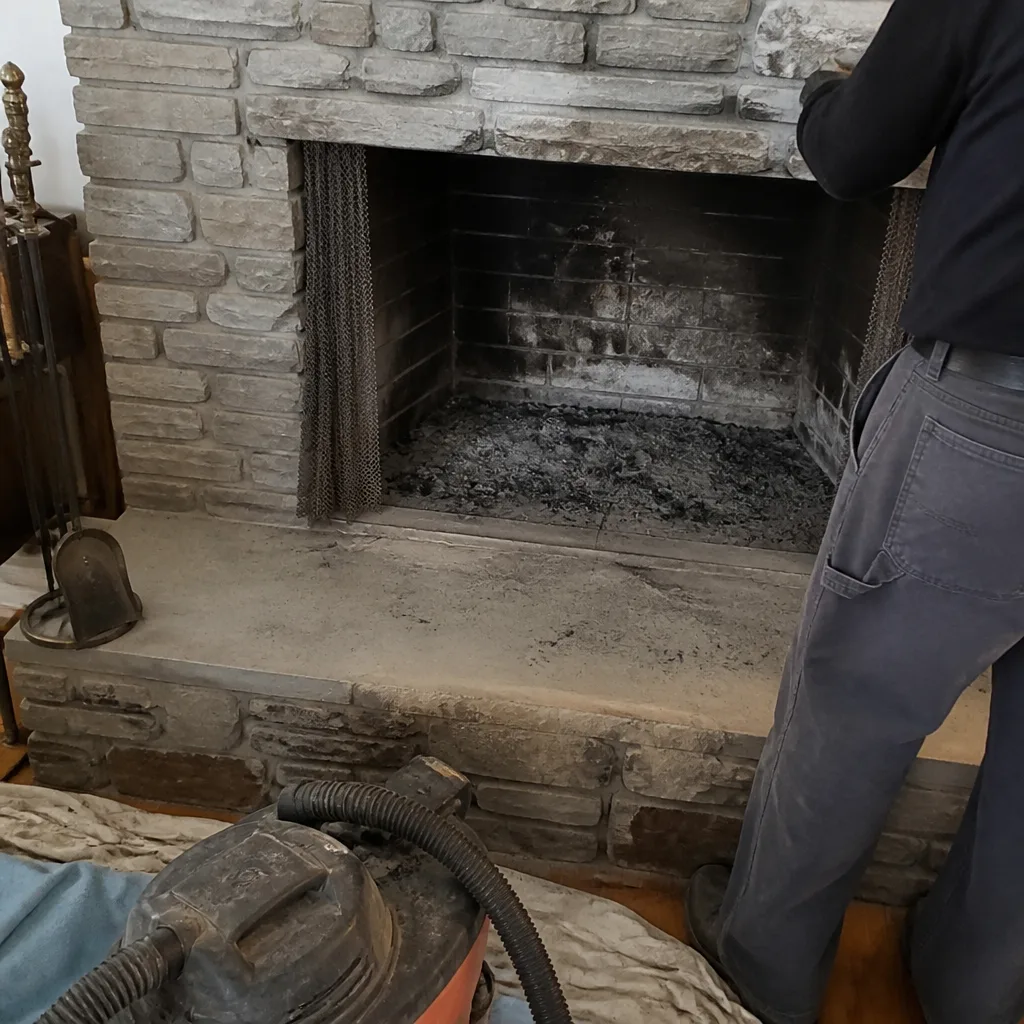 Before
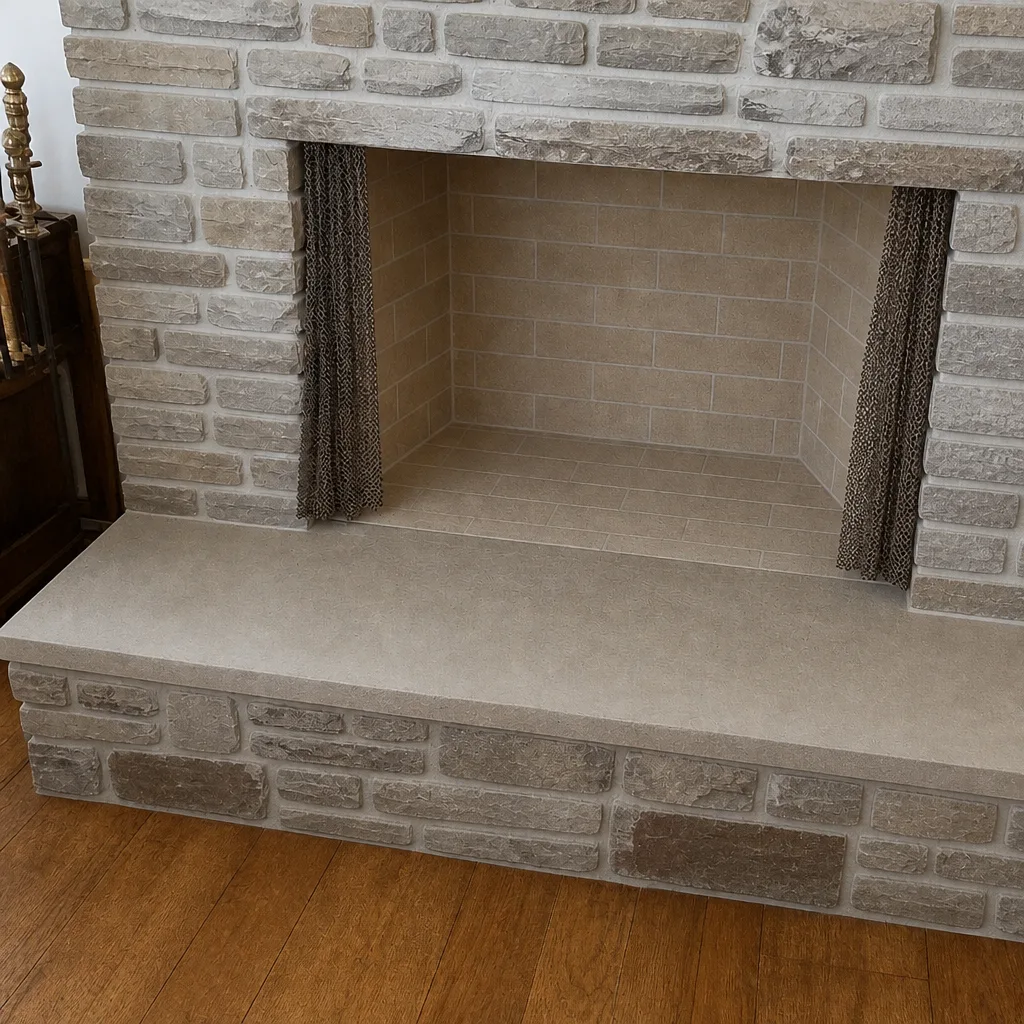 After
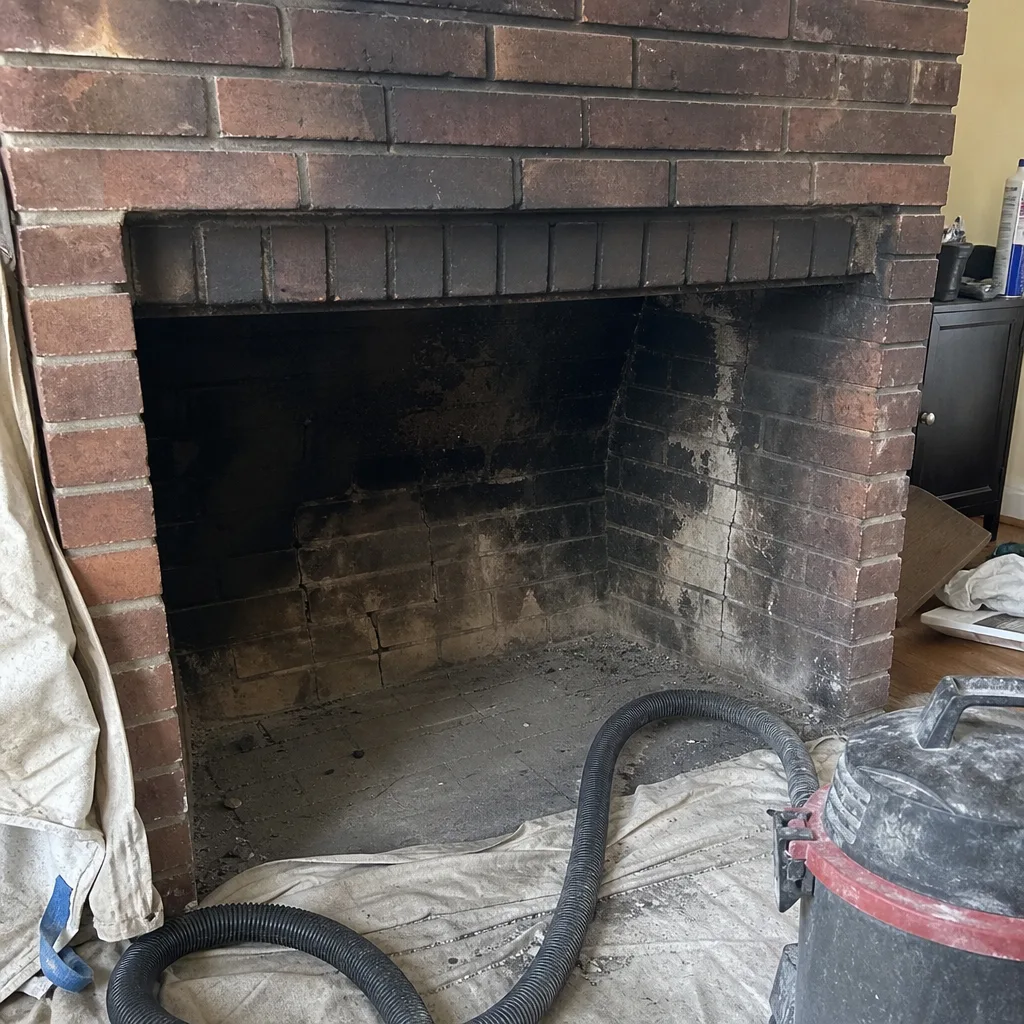 Before
 After
 Before
 After
When to Call a Professional
Some chimney work is a straightforward call to a specialist, and some is worth watching. Call when you notice smoke rolling back into the room, a strong creosote smell even with no fire, a cap that’s loose or missing, or visible cracks in the crown or mortar. Call if the chimney hasn’t been inspected in more than a year, if you’re not sure when it was last swept, or if a spring storm left debris on the cap. And call before any burn season if you can’t confirm the flue is clean. For chimney sweep service, the August window is the target, and a spring or summer inspection catches the rest. Chimney Sweep Springville offers free estimates in Springville. Call (888) 469-8196. We answer 24/7. Fast dispatch from 7am to 7pm, Sunday through Friday.
Frequently Asked Questions
A chimney should be swept at least once a year, and for a household that burns regularly through the winter, an annual cleaning before burn season is the baseline. In Springville, the practical target is August or early September, so the flue is clean before the first cold snaps. If you burn a lot, or notice draft problems, an inspection mid-season can catch what the yearly sweep doesn’t. Call (888) 469-8196 for an exact quote. Estimates are free.
August is better because the flue is idle, clean-out is straightforward, and any repair found in the inspection has time to be finished before burn season. By October, the first cold snaps have already pushed untested flues into service and the whole valley is booking at once, which compresses appointments. Booking in August means starting the season with a clean, inspected flue. Call (888) 469-8196 to get on the schedule. We answer 24/7.
On red air quality days, burn less and burn cleaner: dry, seasoned wood, no long smoldering fires, and consider skipping the fire on the worst days. On inversion days, smoke has nowhere to go, so a clean flue and good draft matter more. A flue that drafts poorly will be more noticeable on these days, and smoke rollback is a sign to have it inspected. Call (888) 469-8196 for an exact quote. Estimates are free.
Spring is the time for exterior checks: crown inspection for freeze-thaw cracks, mortar joint review, flashing at the roof line, and clearing the cap after spring storms. This is also when any repair the winter revealed should be scheduled, since mild weather is easier on the work than a fall scramble. Our cap and crown work uses Gelco and Famco components. Call (888) 469-8196 for an exact quote. Estimates are free.
You need a new liner only if the inspection shows the current one is deteriorated, cracked, or otherwise unsafe to use. That’s why we inspect before we recommend: a camera view and photo report let you see the condition of the liner for yourself. When a liner is needed, we install DuraFlex flexible liner systems, a product line built for high-temperature flue relining. If the liner is sound, we’ll tell you. Call (888) 469-8196 for an exact quote. Estimates are free.
Skipping it lets creosote build up in the flue, which is a fire risk, and it lets small problems like a cracked crown or a failing liner go unnoticed until they’re larger repairs. In Springville’s freeze-thaw climate, water in a small crack widens it each winter. An annual sweep and inspection is the low-cost way to catch these early. Call (888) 469-8196 for an exact quote. Estimates are free.
The Bottom Line
Springville’s chimney year isn’t the standard fall-and-forget model. A cold spring, a dry summer fire season, and an early October inversion window each create specific tasks, and the biggest one is the timing of the annual cleaning. Book it in August or early September, inspect the exterior in spring after the freeze-thaw cycle, handle pests and moisture in summer, and keep the flue clean before the first fires, not after. A rolling 12-month schedule built on this valley’s actual climate will catch the small problems before they turn into structural ones. For Chimney Sweep Springville, the job is to inspect before we recommend, so you see the evidence and get to decide. Our technicians have up to 12 years of experience, and the work runs from cleaning and inspection through fireplace and chimney repair, plus cap and crown installation with Gelco and Famco components. Where a liner is needed, we install DuraFlex systems and apply HeatShield resurfacing to restore a flue without full demolition.
Call (888) 469-8196 for a free estimate. We answer 24/7. Fast dispatch from 7am to 7pm, Sunday through Friday. Booking your cleaning in August or early September is the single best step toward a safer season.
Written by the team at Chimney Sweep Springville.