
Last updated November 23, 2026
 Sweep & inspection
 Caps & crowns
 Flue relining
 Masonry repair
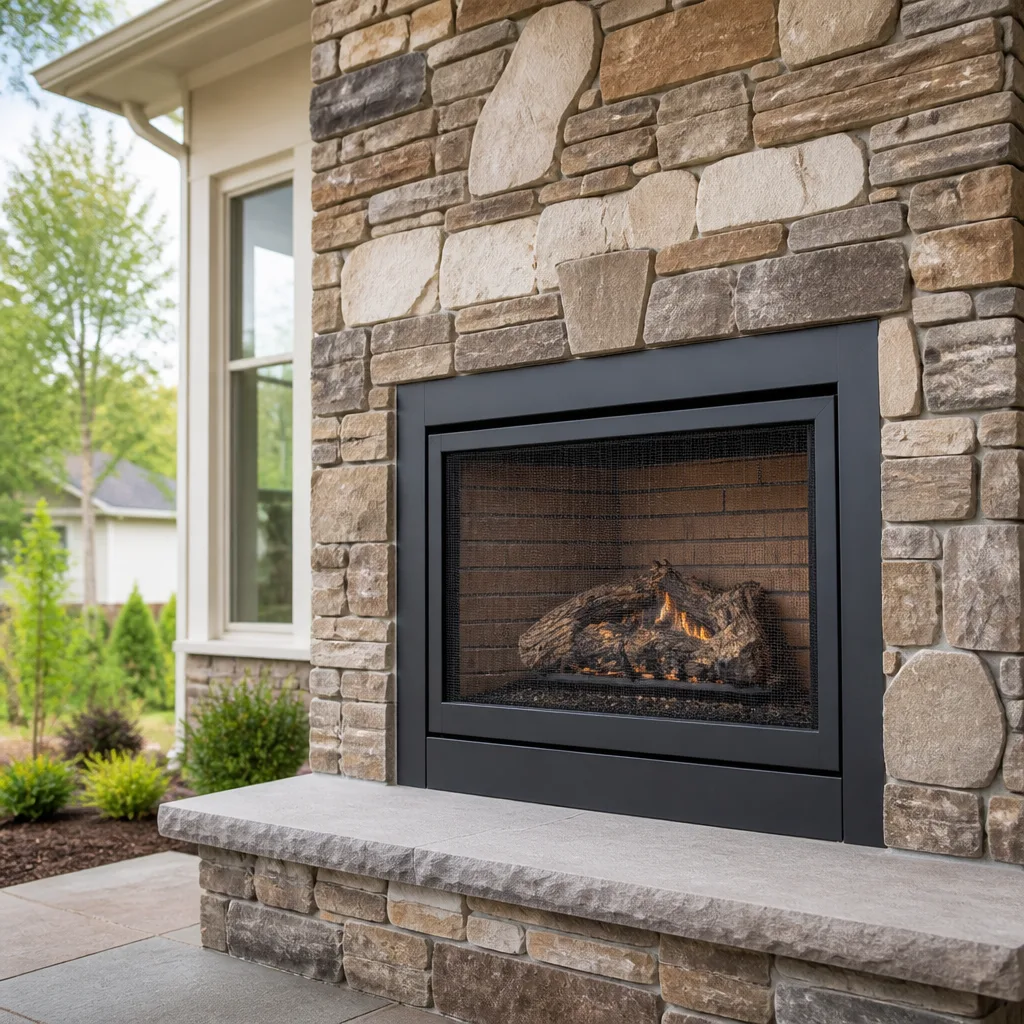 Gas fireplace service
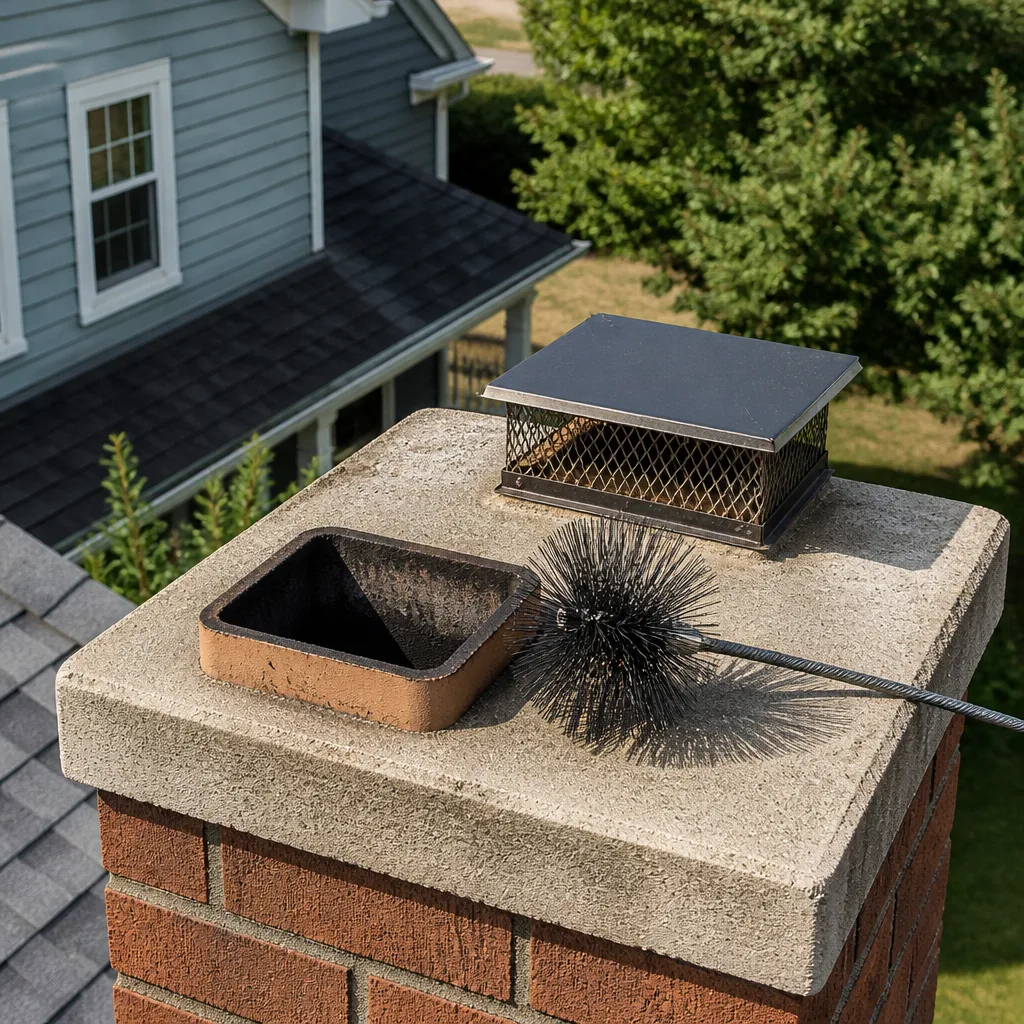
Level 1 sweep and inspection to the NFPA 211 annual standard - flue, crown, cap, and flashing checked and photographed
Chimney sweep logs do not sweep chimneys. They loosen some creosote - which then falls where a brush and vacuum still have to collect it.
How to Hire a Chimney Cleaning Contractor in Springville: A Step-by-Step Guide
The cheapest chimney cleaning quote you get in Springville is often from someone whose primary business is something else entirely, and they’re pricing it accordingly. Chimney work attracts roofers, gutter crews, and general handymen who add a brush and a shop vac to the truck and call it a service. That’s not always a mistake, but it changes what gets found during the appointment. A sweeping is also the one moment each year when a trained eye looks at the whole flue, and what that eye is trained to notice matters. This guide walks you through how to filter the market, verify credentials, compare quotes fairly, and spot the warning signs before you book.
Quick Answer
To hire a chimney cleaning contractor in Springville, verify CSIA certification, current liability insurance, and Utah business registration before you book, confirm that a camera inspection is included as a standard part of the cleaning rather than an add-on, and ask how the contractor’s scopes and written estimates are structured so you can compare quotes fairly. Prioritize dedicated chimney specialists over generalists, because a specialist is trained to recognize liner cracks, crown damage, and creosote glazing a generalist will sweep past. Expect a free written estimate and never pay a deposit before you’ve seen the scope in writing.
Styles & brands we work with
- Sweep & inspection
- Caps & crowns
- Flue relining
- Masonry repair
- Gas fireplace service
Table of Contents
- Why hiring the right chimney contractor in Springville matters
- What credentials should a chimney sweep in Springville have?
- How do you actually verify credentials before booking?
- Why a camera inspection should be standard, not an upsell
- How to tell a chimney specialist from a generalist
- How to compare quotes when scopes differ
- Red flags in how a contractor communicates before the job
- Common mistakes to avoid
Why hiring the right chimney contractor in Springville matters
Springville sits right against the Wasatch Front, and the local heating cycle is short but intense. Homes run the fireplace hard from October into March, then shut it down for months of dry, windy weather that works on masonry and on the metal cap. That means the annual cleaning isn’t just about creosote removal. It’s the once-a-year chance to catch the two things that quietly ruin chimneys here: water intrusion from a failed cap or crown, and mortar or tile deterioration that opens the door to a much larger repair.
Who you hire shapes what gets caught. A dedicated chimney specialist is looking at the whole system from the firebox to the cap, and the checklist in their head was built around that system. A general handyman is looking at a clogged flue and a billable hour. Both can sweep a chimney. Only one is set up to notice when the sweep turns into a repair conversation, and to explain why it matters with the evidence in front of you.
The gap between those two outcomes is where the real cost lives. A homeowner who hires a specialist catches a hairline crown crack early, gets it sealed, and avoids a liner replacement. A homeowner who hires a generalist doesn’t hear about the crack, runs another season, and by spring has water in the flue and a bigger project. Our experience has been consistent on this: the value of a chimney appointment is measured less by the brushing and more by the diagnosis that comes with it.
That’s the frame for this whole guide. The question isn’t “who will sweep my chimney cheapest in Springville.” It’s “who is set up to see everything, and how do I know before I hand over the keys.”
What credentials should a chimney sweep in Springville have?
A chimney sweep working in Springville should carry three baseline credentials: CSIA (Chimney Safety Institute of America) certification for the technicians, current general liability insurance, and active Utah business registration through the Utah Division of Corporations and Commercial Code. Of those three, CSIA certification is the most meaningful because it reflects specific training in chimney systems and requires continuing education to maintain. The other two confirm that a real, insurable business stands behind the work.
Here’s a fuller picture of what each credential actually means:
- CSIA certification: A third-party credential from the chimney industry’s leading training body. It signals that the technician has passed a written exam covering chimney construction, venting, and safety codes, and that they’re keeping current. Look for the CSIA logo on the contractor’s site or ask for the certification status of the technician who’ll be working in your home.
- Liability insurance: Chimney work puts a technician on your roof. If a tile cracks, a cap is dropped, or a flashing is dislodged, you want the contractor’s insurance covering it, not your homeowner’s policy. Ask for a certificate of insurance and verify the policy is current.
- Utah business registration: Confirm the business entity is active. A quick search on the Utah Division of Corporations site will tell you if the name matches an active filing.
- NFPA 211 awareness: Not a credential, but a signal. The National Fire Protection Association’s code governing chimneys and vents is the standard every professional works from. Contractors who reference NFPA 211 naturally in conversation are working from the right book.
- Business phone and address: A clear, real point of contact. A business that only communicates through a Google Business profile and has no verifiable number is a red flag.
If a contractor can’t produce all three of the top credentials quickly and without hesitation, that’s your answer. A professional chimney specialist carries this documentation as a matter of course. Chimney Sweep Springville works exclusively with technicians trained specifically in chimney systems, and we inspect before we recommend.
How do you actually verify credentials before booking?
Verify credentials before booking by checking them independently, not just accepting a logo on a website. CSIA certification is checkable through the CSIA’s public lookup, liability insurance is verified by requesting a certificate of insurance and calling the listed carrier, and Utah business registration is confirmed through a quick search on the state’s Division of Corporations site. All three take less than fifteen minutes total.
Here’s a step-by-step process you can run through in one sitting:
- Check CSIA status. Locate the contractor’s name in the CSIA’s public database. Confirm that both the business and the individual technicians are listed as current. If the site claims CSIA certification but the lookup returns nothing, the claim has no backing.
- Request a certificate of insurance. Ask the contractor to email their certificate of insurance as an attachment. The document should list general liability coverage, the policy period, and the named insured matching the business name on the quote. Call the insurance agent listed on the certificate to confirm the policy is active. This is standard due diligence, and any professional will expect the request.
- Search Utah business registration. On the Utah Division of Corporations and Commercial Code site, look up the business name. Verify the entity is active and the registered agent is real.
- Ask about technician training. The person who shows up at your home is the one doing the work, not the person you booked with. Ask how technicians are trained and whether the same person handles the cleaning and the inspection.
- Get the written estimate in hand before booking. A serious contractor will send a written scope and estimate before the appointment. If the “quote” is verbal or a range given over the phone, ask for it in writing.
A contractor who gets defensive when you ask for these documents is telling you something. A contractor who makes it easy is telling you something too. In Springville, we’d rather a homeowner ask than not, because verification protects both sides.
Why a camera inspection should be standard, not an upsell
A camera inspection should be a standard part of every chimney cleaning, not a paid add-on, because the cleaning is the only time each year a trained technician can actually see the inside of the flue. Without a camera, a sweep can brush a chimney that still has a cracked tile, a failed mortar joint, or a glazed creosote deposit hiding a structural problem. The camera turns “it looked clean from the top” into a documented inspection you can review yourself.
Here’s what the camera catches that a brush alone misses:
- Tile cracks in the flue liner, which can allow heat and gases into the surrounding masonry
- Glazed creosote at the top of the flue, a hard, tar-like stage that a brush glides over without removal
- Mortar joint deterioration between flue tiles, especially in chimneys old enough to have weathered several decades of heating cycles
- Offset or misalignment from shifting foundations or settling, common in older Springville homes near the foothills
- Debris and nesting material from birds or squirrels, which caps prevent but don’t always stop
When a contractor treats the camera as an optional extra, the flip side of that upsell is that a homeowner who declines it gets a cleaning with no visual evidence of what’s inside. That’s a bad setup. When we recommend a repair, we bring the camera photo or video to the table with the recommendation, because you shouldn’t have to take our word for what’s inside your chimney. That’s the whole point of an inspection with a camera report: it gives you the evidence to compare a repair quote against what’s actually there.
Ask every contractor you interview whether a camera inspection is included in the cleaning fee or billed separately. The answer tells you a lot about how they run the job.
How to tell a chimney specialist from a generalist
You can tell a chimney specialist from a generalist by listening to how they describe the job. A specialist describes the whole system from the firebox to the cap, names specific components (the crown, the flue tiles, the damper, the liner), and can explain what each one does. A generalist talks about “getting the soot out” and changes the subject when the conversation moves toward liners, crowns, or resurfacing.
Ask these questions during the first phone call:
- “What services do you offer besides sweeping?” A specialist will list inspections, cap and crown work, liner installation, and flue resurfacing. A generalist will list “sweeping and general repair” or mention that a subcontractor handles the rest.
- “Do you install liners, and which brands do you work with?” A specialist will name specific products like DuraFlex flexible liner systems or HeatShield resurfacing. A generalist will hedge or mention a generic “liner kit.”
- “How do you handle crown and cap replacement?” A specialist works with professional-grade components like Gelco and Famco. A generalist will improvise or subcontract.
- “What does a typical inspection include?” A specialist will describe NFPA 211-based inspection levels. A generalist describes a visual check.
- “Do you do chimney work full-time?” Direct question, direct answer. If the primary business is roofing, HVAC, or general handyman services, the chimney work is a side line.
- “What happens if you find a problem during the sweep?” A specialist has a diagnostic process. A generalist either doesn’t know or immediately escalates to “you need a new liner.”
The distinction matters because of what gets found. A chimney specialist trained specifically in chimney systems will reliably catch the small things early. A rotating generalist may not. Chimney repair, cap and crown work, and fireplace repair are all part of the same system, and the person working on any part of it should understand the whole. That’s why our focus is single-trade: every technician’s training, tools, and product knowledge is concentrated on chimney systems, not spread across HVAC, roofing, and handyman work.
How to compare quotes when scopes differ
Compare chimney cleaning quotes by normalizing the scope first, then the price. If one quote says “clean and inspect” and another says “sweep flue, camera scan, cap check, and written report,” the second is not more expensive, it’s a different job. Write out each contractor’s scope side by side before you look at the numbers, and you’ll usually find that the cheap quotes are cheap because they scope less work.
Here’s a comparison table you can build yourself from the written estimates:
- Cleaning scope: Which parts of the chimney are cleaned (firebox, damper, smoke shelf, flue)?
- Inspection level: Is a camera scan included? At what depth? Is a written report provided?
- Disposal: Is creosote and debris removal from your property included, or billed extra?
- Repair allowance: Are small repairs (re-flashing, minor mortar touch-ups, cap reseating) quoted as a separate line, or rolled into the cleaning?
- Follow-up: If the camera shows a repair is needed, does the contractor quote it on the spot or send a separate estimate?
- Written estimate: Is the number fixed, or a range that can climb on-site?
Once you’ve lined up the scopes, the price comparison is honest. A quote that includes camera inspection and a written report is usually the better value even when the number is higher, because it answers the question “what’s actually inside my chimney” instead of only “is it swept.” In our experience, the homeowners who end up saving money are the ones who compared scopes first and prices second.
When a contractor’s quote is dramatically lower than the others, ask directly what’s not included. Nine times in ten, the answer is the camera inspection, the disposal, or the follow-up diagnostic. For an honest comparison, line up the scopes. Then the prices become meaningful.
Red flags in how a contractor communicates before the job
The way a contractor communicates before the job predicts the way they’ll handle things during and after it. Contractors who are vague about scope, slow to send written estimates, or quick to diagnose a problem over the phone without seeing the chimney are the same ones you’ll have trouble getting a real explanation from once money is on the table. What you see in the first three conversations is what you get for the whole job.
Watch for these signals:
- Immediate diagnosis before inspection. If the first phone call ends with “you definitely need a new liner,” without a camera scan or an on-site look, that’s not a diagnosis, it’s a sales pitch.
- No written estimate. Verbal quotes, “ballpark” prices that shift on-site, and quotes provided only after the technician arrives are all signs of a contractor who doesn’t want a paper trail.
- Pressure to book immediately. A professional chimney specialist can schedule a cleaning without a ticking clock on the phone call. Urgency that comes from the contractor’s end, before they’ve even seen the chimney, is a red flag.
- Avoiding credential questions. If asking about CSIA or insurance gets a defensive answer or a change of subject, the credentials probably don’t exist.
- No clear point of contact. A business with no clear phone number, no verifiable address, and no written correspondence is one you’ll have trouble reaching if something goes wrong.
- Scope that keeps changing. If the description of the job shifts each time you talk, that’s a job that will expand on-site.
- No camera inspection offered. Even after you ask about it. That silence is the loudest signal of all.
Fast, clear communication that doesn’t rush you is the strongest positive signal. A contractor who answers credential questions easily, sends the written estimate when they say they will, and is fine with you taking a day to compare quotes is a contractor who will do good work. The opposite is equally predictive.
Common Mistakes to Avoid
- Hiring on price alone. The lowest Springville quote is usually the lowest because it scopes the least work. Compare scopes before prices, and you’ll rarely be surprised by a climbing invoice after the job.
- Accepting a verbal diagnosis over the phone. Chimney problems are visual. Anyone who tells you what you need without a camera or an on-site look is guessing, and their guess will be expensive.
- Skipping the credential check because the contractor was friendly. A pleasant voice on the phone is not a certification. Spend the fifteen minutes to verify CSIA status, insurance, and Utah registration before booking.
- Declining the camera inspection to save money. The camera is the entire point of the appointment. Skipping it means you walk away from a cleaning with no evidence of what’s inside your flue, and no basis for comparing any repair quotes you receive later.
- Not asking what “clean” means. “Sweep the chimney” is not a scope. Ask which parts are cleaned, how the creosote is removed, and whether debris is hauled away or left for you to deal with.
- Ignoring how the contractor handles the first call. Vague answers, pressure to book, and refusal to send written estimates are all signals. So are clear answers, follow-through, and taking the time to explain the job. Book the second type, every time.
- Waiting until the first cold snap. The pre-season window is when chimney contractors are least booked and when you’ll get the most thorough appointment. Springville homeowners who wait until the fireplace is needed tend to get rushed scopes and slower follow-up.
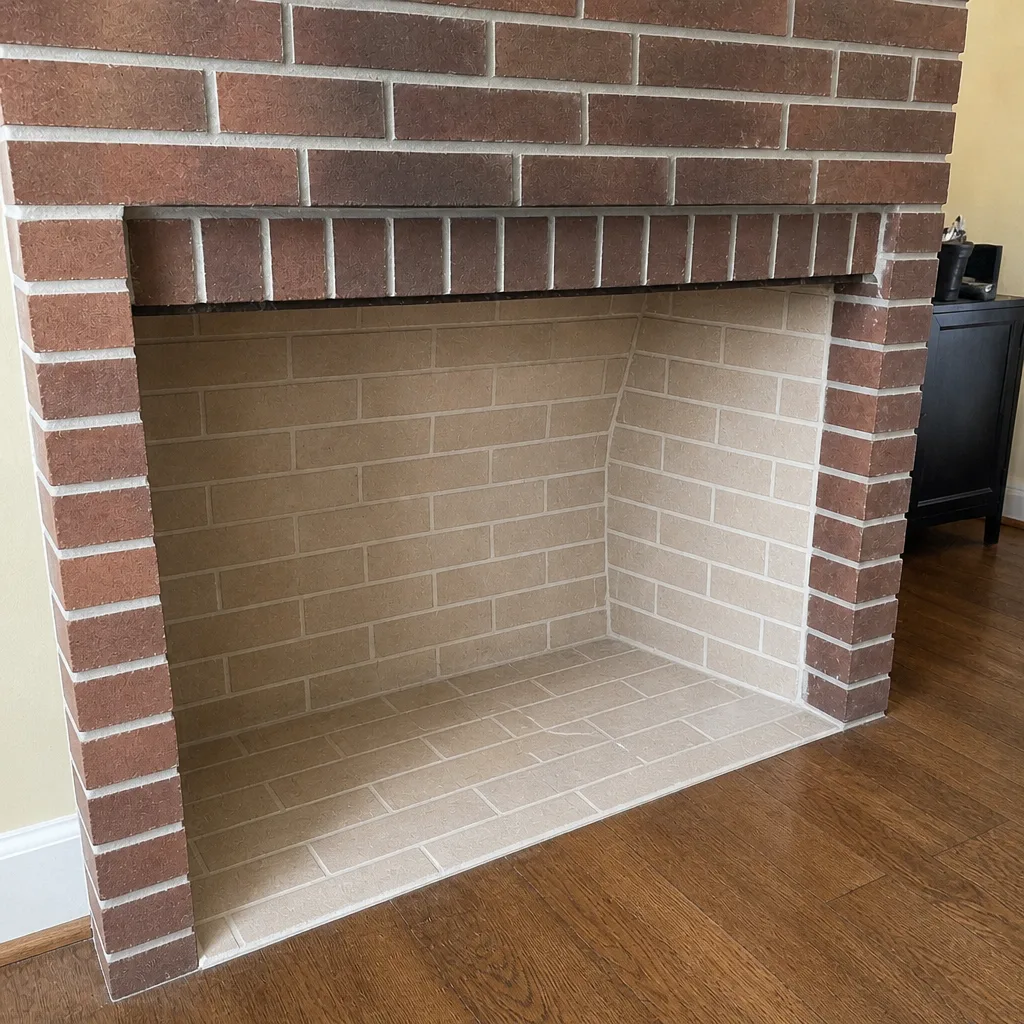
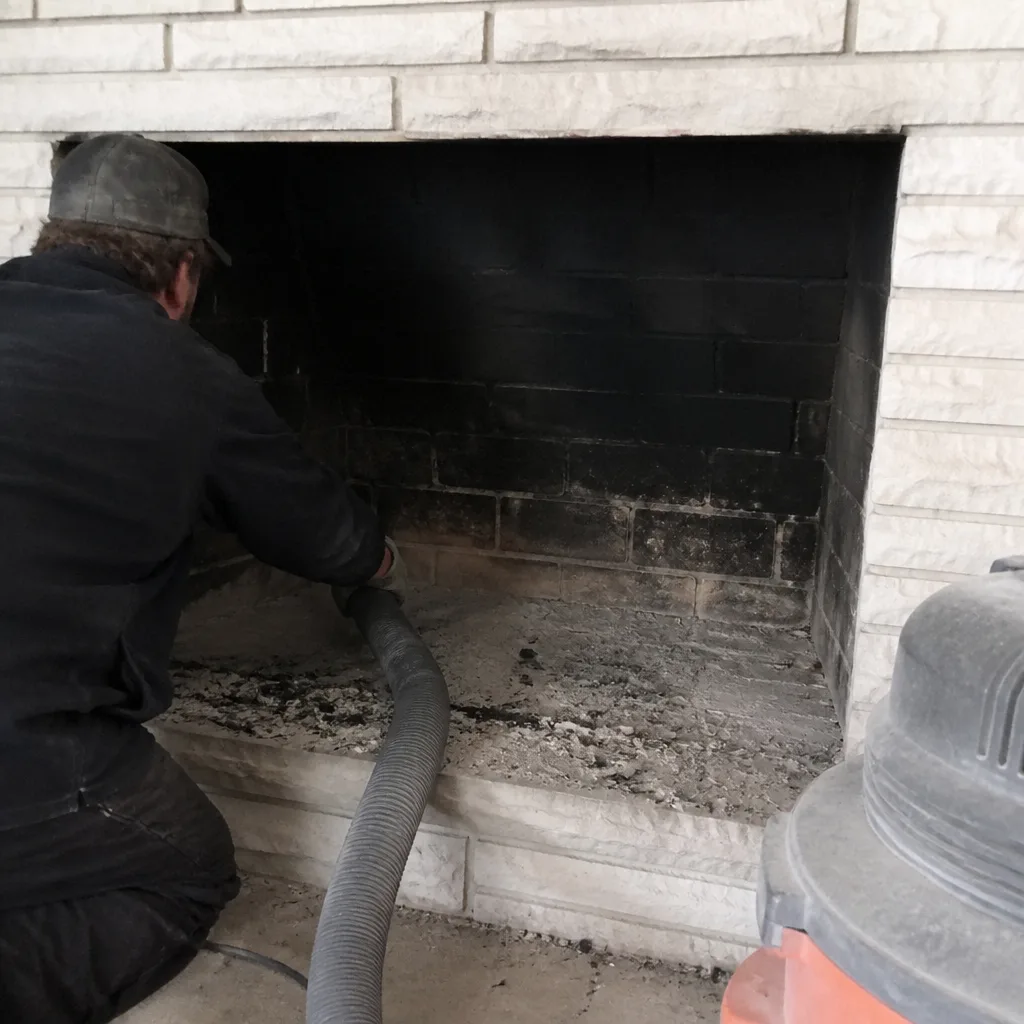
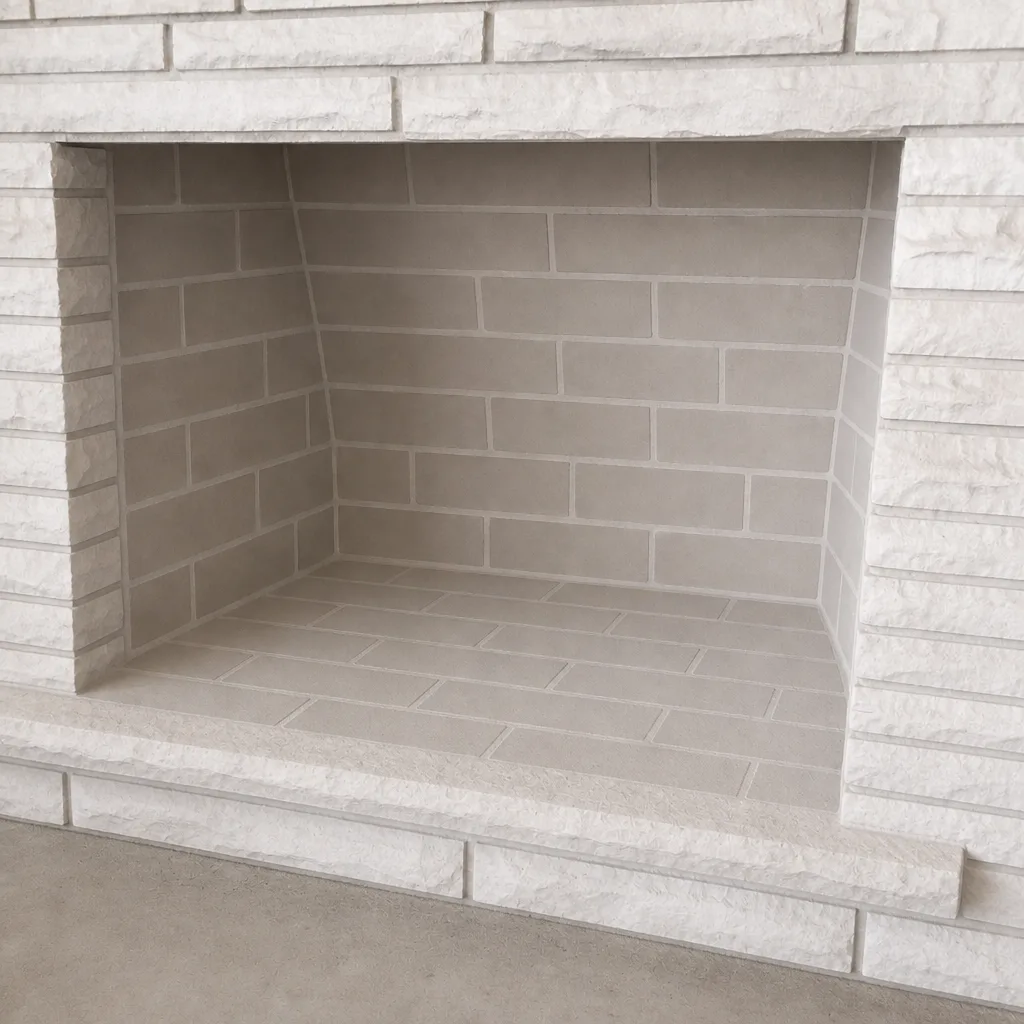
See the difference
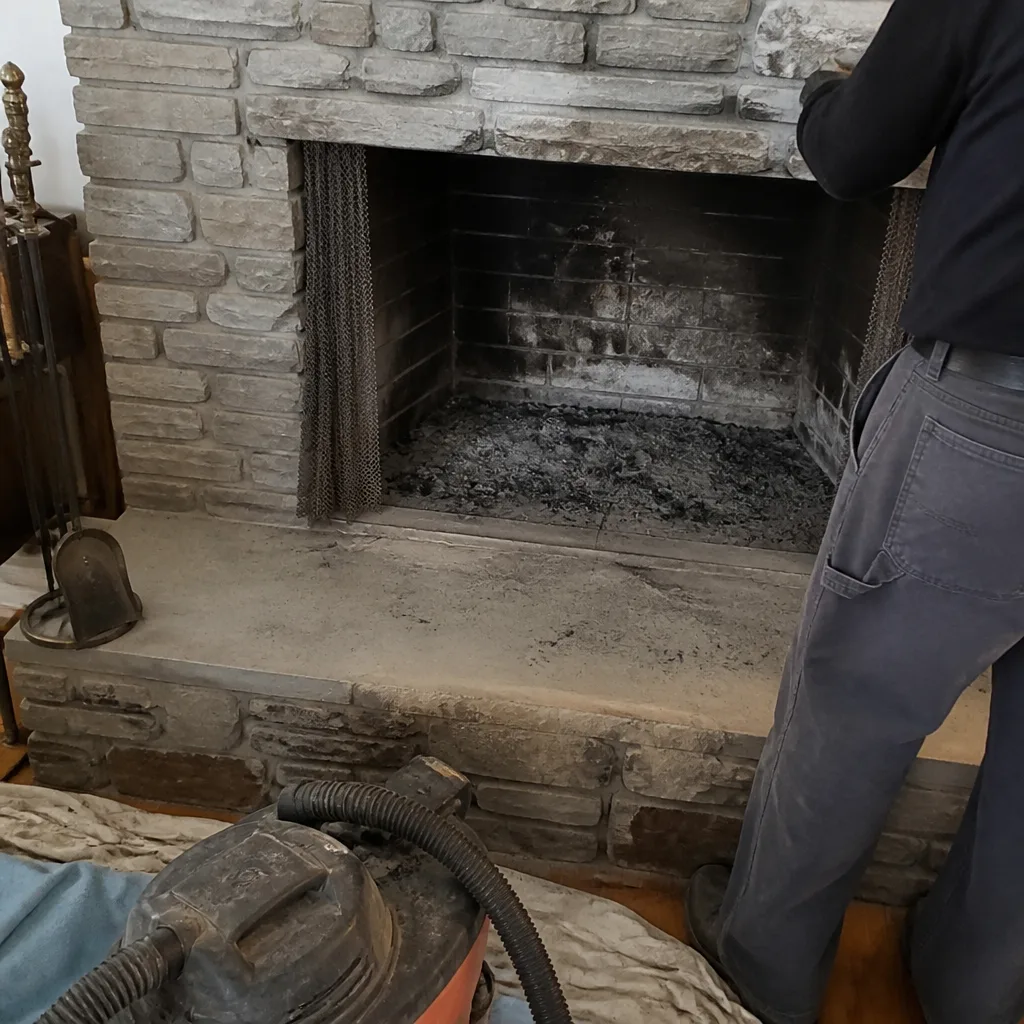 Before
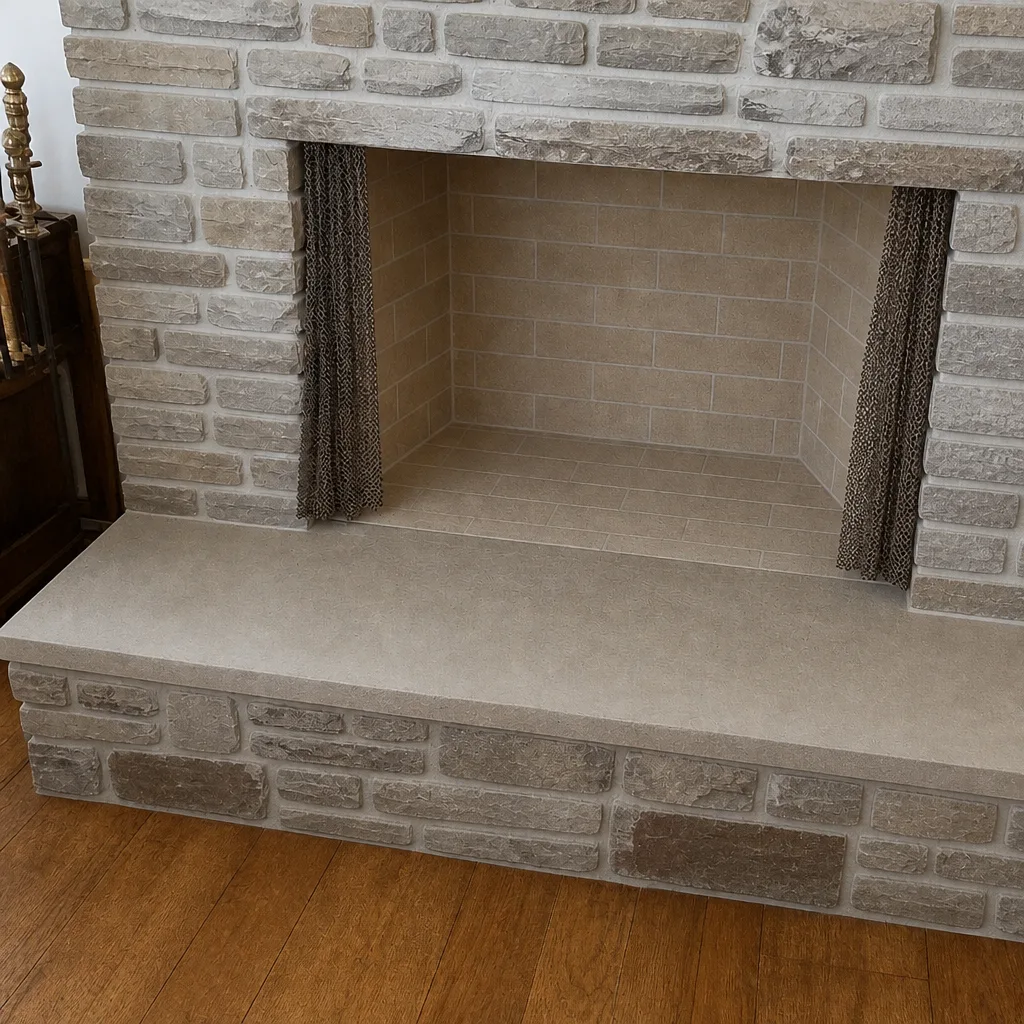 After
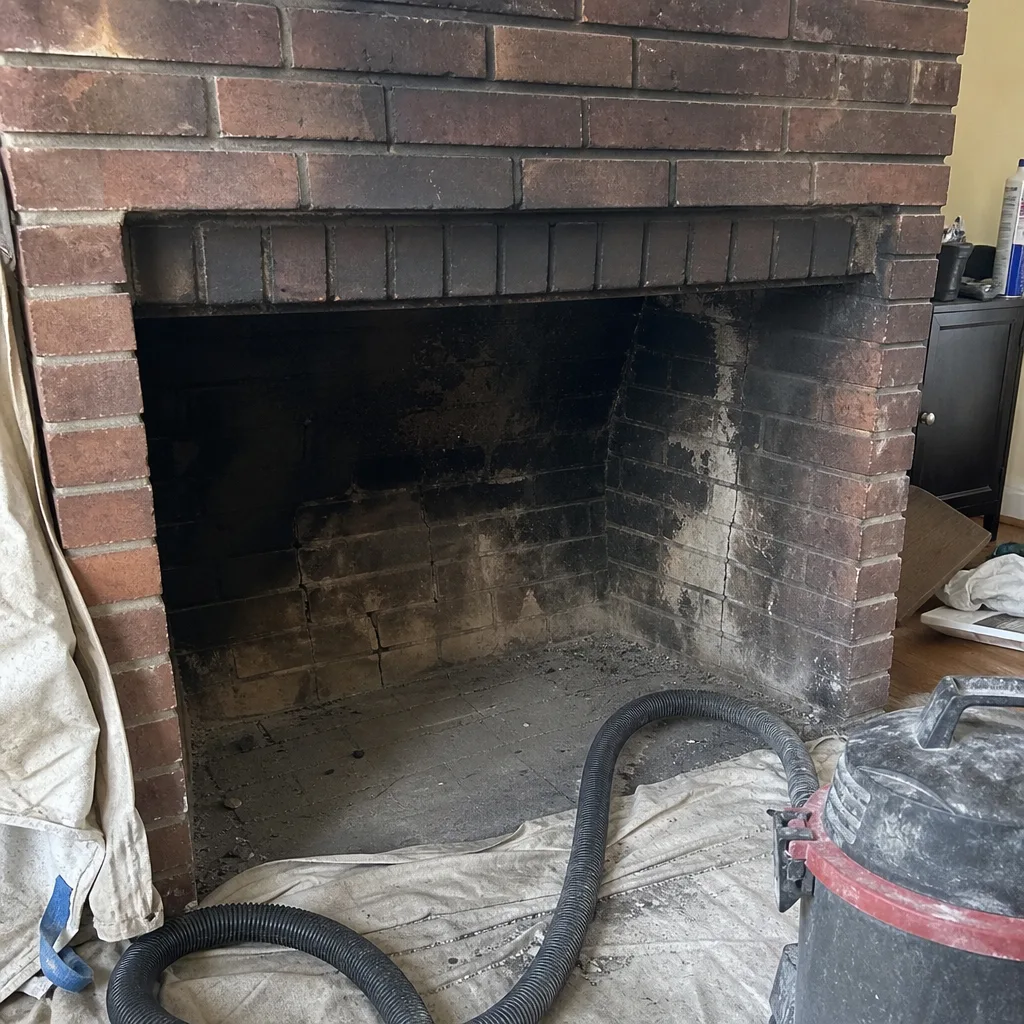 Before
 After
 Before
 After
When to Call a Professional
Call a professional chimney contractor any time the annual cleaning comes due, when you notice a draft that wasn’t there last season, when you see staining or efflorescence on exterior masonry, when a cap is visibly corroded or missing, or when you smell smoke in the house during a fire. Also call if you’ve never had the chimney inspected since buying the home, or if you’ve switched fuel types (wood to gas, or gas to wood) in the last couple of years. Those are the moments a professional eye is the whole point of the job.
Chimney Sweep Springville offers free estimates in Springville. Call (888) 469-8196. We answer 24/7. Fast dispatch from 7am to 7pm, Sunday through Friday. Every appointment starts with an inspection before we recommend anything, and the local pro we connect you with is licensed and insured as their state requires.
Frequently Asked Questions
A chimney cleaning in Springville is priced per job by a written estimate, not by a fixed ad price, because scope varies by chimney type, access, and whether a camera inspection and written report are included. The estimate sets the final price, and it’s free. Call (888) 469-8196 for an exact quote based on your chimney.
You need a new liner when the existing flue liner has failed, typically from cracked tiles, deteriorated mortar joints, or a fuel-type change the current liner wasn’t designed for. A chimney specialist should never recommend a liner replacement without camera evidence you can see for yourself. If the liner is sound, resurfacing with a product like HeatShield or a flexible DuraFlex relining is only warranted when there’s a documented problem. Ask to see the camera footage, and don’t accept a liner recommendation without it. Call (888) 469-8196 for an inspection that gives you the evidence.
A chimney should be swept annually, before each burning season, per the NFPA 211 recommendation. Wood-burning chimneys that get heavy use may need an additional mid-season cleaning if creosote builds up quickly. Gas fireplaces still need annual inspection even though they don’t produce creosote. Call (888) 469-8196 to schedule the pre-season appointment.
Skipping the cleaning allows creosote to build up inside the flue, and at a certain concentration a hot fire can ignite it, which is a chimney fire. It also lets small problems like a cracked tile or a failing flue joint go unnoticed until they become major repairs. The cleaning itself isn’t the safety step; the inspection that comes with it is. Call (888) 469-8196 for a pre-season appointment.
Ask what other services they offer and how they’re credentialed. A specialist describes inspections, cap and crown work, liner installation with named brands, and flue resurfacing. A generalist talks about sweeping and “general repair” and often doesn’t know the brands. Also verify CSIA status directly. If the technician working in your home carries CSIA certification, the work is coming from a specialist. Call (888) 469-8196 with any questions about credentials.
A chimney inspection includes a visual check of the firebox, damper, smoke chamber, flue, cap, and exterior masonry, paired with a camera scan of the flue interior for an NFPA 211-level assessment. The output should be a written report with photos or video, not a verbal summary. That report is what lets you compare any recommended repair against the actual condition of the chimney. If a contractor can’t provide photos, that’s worth knowing before you book. Call (888) 469-8196 to schedule an inspection with a written report.
The Bottom Line
Hiring a chimney cleaning contractor in Springville comes down to four moves: verify the credentials (CSIA, insurance, Utah registration), insist on a camera inspection as part of the cleaning, compare quotes by scope rather than by bottom-line number, and read the contractor’s pre-job communication as the preview it is. The rest is scheduling. A dedicated chimney specialist will cost more than a generalist with a brush, and in our experience the specialist catches the small problems early, which is where the real savings live over the life of a chimney. When you’re ready to book, we can help.
Call (888) 469-8196 for a free estimate. We answer 24/7, with fast dispatch from 7am to 7pm, Sunday through Friday. We connect you with independent local professionals who work from the firebox to the cap, including Chimney Sweep Springville services, chimney sweep appointments, fireplace repair, and chimney repair backed by professional-grade products like Copperfield components and Gelco caps and crowns. Nothing is recommended without camera evidence you can see for yourself.
Written by the team at Chimney Sweep Springville.